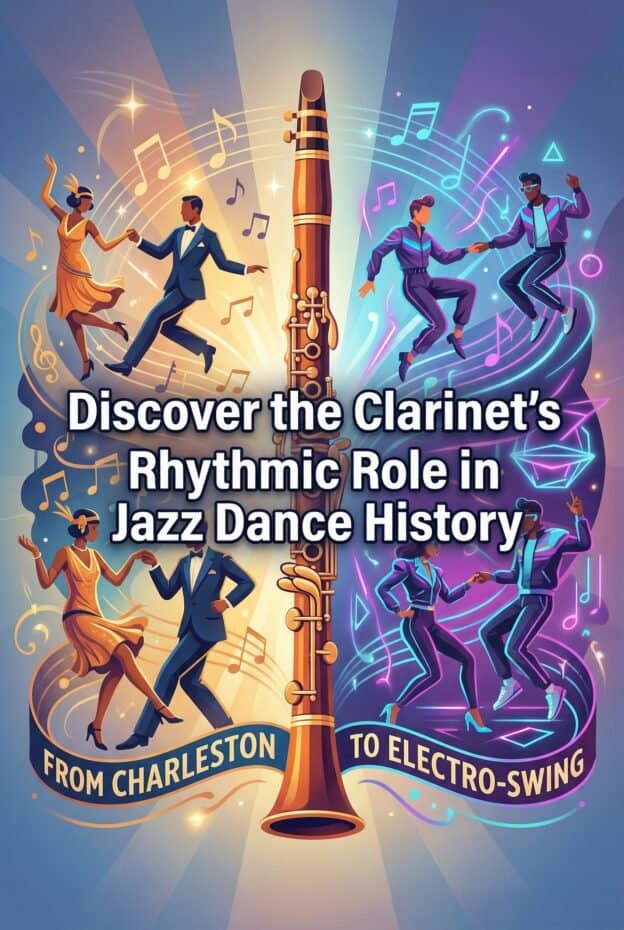
The clarinet shaped jazz-influenced dance music from the Jazz Age through swing and modern electro-swing by providing melodic leads, improvisational solos, and rhythmic support that propelled dances like the Charleston, Lindy Hop, and contemporary electro-swing. Its agile range, bright projection, and expressive tone made it ideal for driving both small combos and big bands in crowded dance halls.
Clarinet's Journey from Baroque to the Jazz Age
The clarinet entered European music in the early 18th century, long before jazz or social dance crazes like the Charleston. Early Baroque and Classical clarinets had fewer keys, boxwood bodies, and a softer, more vocal tone. By the late 19th century, technical improvements and the Boehm key system created a more agile, louder instrument ready for popular dance music.
By the 1890s, clarinetists were active in military bands, circus bands, and early American dance orchestras. In New Orleans, players such as Lorenzo Tio Sr., George Baquet, and Alphonse Picou adapted the clarinet to blues-inflected melodies and collective improvisation. Their work bridged European wind traditions with African American rhythmic practices that would define early jazz and dance music.
As ragtime and early two-step dances spread, the clarinet became a key voice in ensembles that played for social dances in cities like New Orleans, Chicago, and New York. Its ability to weave countermelodies above cornet or trumpet lines made it ideal for filling the sonic space in noisy halls. This set the stage for its central role in the Jazz Age of the 1920s.
Transitioning from chamber and orchestral roles to popular entertainment, the clarinet followed migration routes and recording technology. Early recordings by the Original Dixieland Jazz Band (1917), King Oliver's Creole Jazz Band (1923), and Jelly Roll Morton (mid-1920s) captured clarinet lines that directly influenced how dancers felt and interpreted syncopated rhythms on the floor.
The Clarinet in 1920s Jazz: Fueling the Dance Floor (Charleston & Ragtime)
In the 1920s, the clarinet became a signature sound of jazz-influenced dance music, especially for the Charleston, Black Bottom, and ragtime-based social dances. The instrument's bright upper register cut through crowded speakeasies and ballrooms, while its low chalumeau register added warmth to slower foxtrots and blues numbers.
Charleston dancers relied on sharply accented offbeats and syncopated kicks. Clarinetists mirrored this with short, biting articulations and rhythmic riffs. Recordings by Sidney Bechet, Johnny Dodds, and Jimmy Noone show how clarinet lines emphasized the second and fourth beats, giving dancers a clear rhythmic springboard for their steps and swivels.
Ragtime's left-hand piano patterns and cakewalk rhythms translated into ensemble textures where clarinet often played ornamental fills around the melody. In bands led by Fletcher Henderson and Clarence Williams, clarinetists added flourishes between vocal phrases, prompting dancers to add breaks, turns, and improvisational steps that matched the music's playfulness.
Newspaper dance hall ads from the 1920s, preserved in collections like the Library of Congress Chronicling America project, often highlighted “hot clarinet” or “jazz clarinet” as a selling point. This language shows that audiences associated the instrument directly with modern, energetic dancing rather than with older ballroom traditions.
Archival recordings such as Louis Armstrong's Hot Five and Hot Seven sessions (1925-1928) feature clarinet lines that swirl around trumpet leads, creating a three-dimensional rhythmic texture. Dancers used these swirling countermelodies to time slides, pivots, and syncopated breaks, especially during ensemble shout choruses.
For historians and advanced students, primary sources include early dance manuals that describe the Charleston and Black Bottom, such as those in the New York Public Library for the Performing Arts. Cross-referencing these manuals with recordings featuring clarinet reveals how specific rhythmic accents in the music aligned with prescribed dance steps.
Swing Era and Lindy Hop: Clarinet's Role in 1930s-1940s Dance Halls
During the 1930s and 1940s, the clarinet became a star instrument in swing-era dance halls. Big bands led by Benny Goodman, Artie Shaw, and Woody Herman placed clarinet at the front of the ensemble, shaping the sound of Lindy Hop, Balboa, and early East Coast Swing. Clarinet solos often triggered the most energetic responses from dancers.
Lindy Hop, developed in Harlem ballrooms like the Savoy, relied on a strong four-beat pulse with syncopated horn riffs. Clarinetists rode above the saxophone section, playing agile lines that encouraged dancers to attempt aerials, swing outs, and fast footwork variations. Goodman's 1938 Carnegie Hall Concert, documented on recordings and in press reviews, shows how clarinet-led riffs could electrify a crowd.
In smaller swing combos, clarinet often replaced or doubled the saxophone. Artie Shaw's “Begin the Beguine” and Benny Goodman's “Sing, Sing, Sing” are prime examples where clarinet tone and phrasing became inseparable from the dance craze itself. The piercing yet warm sound helped dancers hear melodic contours even in acoustically challenging ballrooms.
Balboa dancers, who favored close embrace and fast tempos, benefited from the clarinet's clarity at high speeds. Clean articulation and controlled vibrato allowed players to maintain definition at tempos exceeding 220 beats per minute, a pace documented in some live recordings from the Palomar Ballroom and other West Coast venues.
Archival sources like the National Jazz Museum in Harlem, the Institute of Jazz Studies at Rutgers, and radio transcription discs preserve broadcasts where clarinet solos directly preceded audience applause and audible dance-floor reactions. These recordings provide concrete evidence of how the instrument's phrasing shaped dancers' energy and timing.
For dancers and musicians today, studying classic swing recordings with clarinet leads offers a blueprint for tempo choices, set pacing, and dynamic contrasts that keep a dance floor active for hours. The clarinet's ability to shift from smooth legato lines to biting staccato riffs makes it ideal for signaling changes in dance intensity.
Bebop, Post-War Shifts, and the Clarinet's Changing Dance Role
After World War II, bebop transformed jazz into a more listening-focused art form. Trumpet and saxophone, especially alto and tenor, became the primary solo voices. Clarinetists like Buddy DeFranco adapted to bebop's complex harmonies and rapid tempos, but the music's emphasis shifted away from large social dances toward small-club listening environments.
Bebop's irregular phrase lengths and rhythmic displacement made it less predictable for social dancers. While some dancers experimented with bop-influenced steps, the broad public no longer treated clarinet-led jazz as primary dance music. Instead, rhythm and blues, jump blues, and early rock and roll began to dominate dance halls, often featuring saxophones and electric guitars rather than clarinets.
In the 1950s and 1960s, traditional jazz and swing revival scenes kept the clarinet alive in dance contexts, especially in New Orleans-style clubs and British trad jazz venues. Clarinetists in these circles maintained earlier rhythmic approaches, supporting styles like collegiate shag, jive, and regional swing variants that persisted alongside newer popular dances.
Archival recordings from post-war dance clubs show a split: bebop-oriented sets where clarinet appears mostly in small-group listening contexts, and revival or nostalgia nights where clarinet resumes its familiar role as a melodic and rhythmic driver for social dancing. This dual identity continues to influence how modern bands program sets for mixed dance and listening audiences.
For music historians, examining club listings, union records, and local newspapers from 1945 to 1965 reveals where clarinet remained central to dance culture and where it receded. Clarinet's dance role did not disappear; it diversified into regional scenes, folk-dance contexts, and traditional jazz festivals that valued earlier swing and New Orleans styles.
Instrument Anatomy: What Makes the Clarinet ‘Dance-Friendly'
The clarinet's anatomy directly supports its effectiveness in jazz-influenced dance music. The mouthpiece and reed form the sound's initial attack, which must be clear and responsive for precise rhythmic articulation. A medium to open tip mouthpiece with a well-balanced reed allows quick tonguing for Charleston kicks, swing riffs, and fast Lindy Hop tempos.
The barrel and bore shape affect projection and brightness. A slightly smaller bore and shorter barrel can produce a more focused, penetrating tone that cuts through crowd noise in large dance halls. Historically, some dance-band clarinetists favored setups that emphasized upper partials, making their lines audible over drums and brass.
The upper and lower joints house the keywork that enables rapid scale passages and arpeggios. Boehm-system clarinets, which became standard in the 20th century, offer ergonomic key placement that supports fast chromatic runs and intricate swing-era ornamentation. Earlier Albert-system instruments, common in New Orleans and early jazz, have a different feel but can produce a woody, flexible tone prized in traditional dance bands.
The bell shapes the instrument's low-register resonance. A well-designed bell helps the chalumeau register project clearly, which is important for bluesy dance numbers and call-and-response figures with trombone or baritone sax. In crowded venues, a strong low register gives dancers something solid to move to during quieter or more intimate sections.
Bb clarinets dominate jazz and dance contexts because they align with common band keys like Bb, F, and Eb. A clarinet in A appears more often in classical settings, though some studio and crossover players experiment with it for specific tonal colors. For dance gigs, Bb clarinet remains the most practical choice for compatibility with horns and rhythm sections.
Historic materials like boxwood and early hard rubber produced a softer, less projecting tone compared to modern grenadilla and composite bodies. As dance halls grew larger in the 1920s and 1930s, players increasingly favored instruments and mouthpieces that offered more volume and brilliance, matching the needs of amplified or semi-amplified bands.
Notable Clarinetists, Dance Halls, and Archival Recordings
Several clarinetists are important listening for anyone studying jazz-influenced dance history. Sidney Bechet and Johnny Dodds define the New Orleans and Chicago styles that underpinned 1920s social dancing. Their recordings with Louis Armstrong, King Oliver, and Jelly Roll Morton capture the interplay between clarinet lines and early swing rhythms.
Jimmy Noone's Apex Club Orchestra sides, recorded in Chicago, show how clarinet can lead small-group dance music with elegance and rhythmic drive. His liquid phrasing and subtle swing feel influenced later players who balanced virtuosity with dance-floor clarity. These recordings are accessible through archives like the Red Hot Jazz Archive and major streaming platforms.
In the swing era, Benny Goodman and Artie Shaw became synonymous with clarinet-led dance bands. Goodman's appearances at the Palomar Ballroom and the Savoy Ballroom, documented in press reports and surviving recordings, illustrate how a clarinet front line could energize thousands of dancers. Shaw's bands, including his Gramercy Five, blended clarinet with rhythm sections that emphasized smooth but propulsive swing.
Important dance halls include the Savoy Ballroom in Harlem, the Cotton Club, the Palomar Ballroom in Los Angeles, and the Trianon Ballroom in Chicago. Period photographs and posters, preserved in collections like the Library of Congress and the Schomburg Center, often show clarinetists prominently positioned, reflecting their status in dance orchestras.
For researchers, radio broadcasts and transcription discs are important primary sources. Institutions such as the National Jazz Museum in Harlem, the British Library Sound Archive, and university collections hold live recordings where audience noise, applause, and even audible footfalls provide context for how clarinet solos affected dancers in real time.
Later revivalists like Pete Fountain, Acker Bilk, and Kenny Davern kept clarinet-centered dance traditions alive in New Orleans-style and trad-jazz scenes. Their festival and club performances, often recorded at events like the New Orleans Jazz & Heritage Festival, show how clarinet can still anchor social dancing even in an era dominated by amplified instruments.
Clarinet Craftsmanship and Historical Makers (including Martin Freres)
Clarinet craftsmanship evolved alongside the growth of jazz and social dance. Nineteenth-century French and German makers refined key mechanisms and bore designs that later players used in dance bands. As jazz spread globally, clarinets from European and American workshops found their way into theaters, ballrooms, and touring orchestras.
Historical makers experimented with materials such as boxwood, grenadilla, and early plastics, each affecting tone and projection. For dance contexts, musicians often chose instruments that balanced warmth with enough brilliance to remain audible in large rooms. Subtle differences in bore taper and tone-hole placement influenced how easily players could execute fast swing articulations and wide interval leaps.
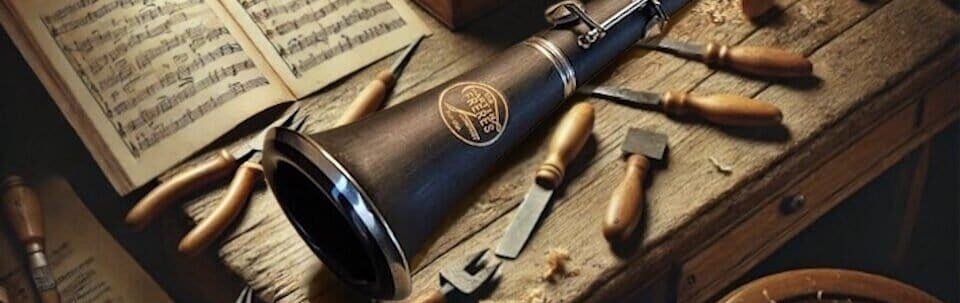
Within this broader field, Martin Freres appears in historical records as a French clarinet maker whose instruments were used by a range of players in the 19th and early 20th centuries. Surviving examples show craftsmanship typical of the period, with attention to intonation and keywork that would have suited both classical and popular-music settings.
Collectors and historians occasionally encounter Martin Freres clarinets in archives and private collections. These instruments provide insight into the kinds of tools available to early 20th-century musicians who later transitioned into jazz and dance bands. Examining bore dimensions, key ergonomics, and material choices helps researchers understand how instrument design shaped performance practice.
From the Martin Freres archival perspective, period catalogs and surviving instruments suggest that many clarinets used in early dance and theater orchestras were versatile, all-purpose models. Players adapted these instruments to emerging jazz styles with changes in mouthpieces, reeds, and technique rather than relying on specialized “jazz” designs.
For modern performers interested in historical dance music, studying vintage clarinets, including examples by Martin Freres and contemporaneous makers, can reveal tonal colors different from modern instruments. These colors may align more closely with the recorded sound of 1920s and 1930s bands, offering a more authentic palette for historically informed dance performances.
Playing Techniques That Drive Dance: Rhythm, Articulation, and Improvisation
Clarinet technique has a direct impact on how dancers experience the music. Rhythmic precision is the first priority. Strong time, clear subdivision, and consistent swing feel give Charleston, Lindy Hop, Balboa, and East Coast Swing dancers a reliable framework. Practicing with a metronome at common dance tempos, such as 120 to 220 beats per minute, builds this foundation.
Articulation shapes how steps feel on the floor. Short, accented notes emphasize kicks and breaks in Charleston, while smoother, legato lines support gliding Lindy Hop swing outs. Many swing clarinetists use a light, fast tongue stroke combined with air-driven accents, allowing phrases to bounce without sounding choppy or stiff.
Improvisation interacts with dance movement. Clarinetists can signal breaks, stops, and aerials by playing rhythmic hits with the rhythm section. Quoting simple, singable motifs helps dancers anticipate phrase endings. Listening to recordings of Benny Goodman with dancers at the Savoy or to New Orleans street parades shows how musicians and dancers respond to each other in real time.
Dynamic control is important. Softer choruses invite close-embrace dancing and subtle footwork, while louder choruses encourage bigger shapes and traveling patterns. Clarinetists should practice crescendo and decrescendo across full phrases, not just individual notes, to shape the emotional arc of a song in ways that dancers can feel.
Technical tools like glissandi, growls, and bends add expressive color that dancers often mirror with body isolations or stylized movements. The famous clarinet glissando opening of “Rhapsody in Blue” is an extreme example, but shorter scoops and falls appear frequently in swing recordings and can be timed with dips, drops, or dramatic poses on the dance floor.
For modern electro-swing and neo-swing contexts, clarinetists may need to lock tightly with electronic beats and sampled loops. Practicing with click tracks and understanding grid-based timing helps maintain tight alignment with DJs and producers while still adding human phrasing that keeps the music from feeling mechanical.
Maintenance for Performance: Steps to Keep a Dance-Ready Clarinet
Reliable maintenance is important for clarinetists playing long dance gigs. A structured routine reduces the risk of mid-set failures. Daily care starts with swabbing the instrument after every session, wiping the keys with a soft cloth, and storing the clarinet in a stable, padded case away from extreme heat or cold.
Pre-gig checks should include inspecting reeds, testing all fingerings for leaks, and confirming that tenon corks are properly greased. Many players rotate 3 to 5 reeds, marking dates and conditions, so they always have at least two fully broken-in options ready for a show. A quick warm-up at performance tempo helps reveal any hidden mechanical issues.
Weekly maintenance can involve lightly oiling key mechanisms with a small amount of key oil, checking pad seats with a leak light if available, and examining springs for signs of fatigue. Any sticky pads should be addressed with pad paper or cigarette paper used carefully to avoid tearing or leaving residue.
Monthly or bi-monthly, depending on playing frequency, clarinetists should inspect tenon corks for compression, check for loose screws, and evaluate the mouthpiece for chips or warping. A professional technician should handle any significant alignment or pad replacement, especially before a busy season of dance events or tours.
An emergency kit for dance gigs should include spare reeds, a small screwdriver, cork grease, pad paper, a clean cloth, a small roll of Teflon tape or dental floss for temporary tenon repairs, and a backup ligature. Having these items on hand can turn a potential show-stopping problem into a brief pause between songs.
For players involved in historically informed performance, vintage clarinets may require extra care due to older pads, fragile wood, or non-standard keywork. Regular checkups with a technician experienced in historical instruments help ensure that these clarinets remain stable and responsive for dance-focused concerts and events.
Troubleshooting Common Problems During Live Dance Gigs
Live dance gigs present unique stresses on the clarinet. Heat from stage lights, humidity from crowded rooms, and long playing times can all cause problems. Reed warping is one of the most common issues. If a reed suddenly feels unresponsive or buzzy, rotate to a backup reed that has already been tested during warm-up.
Pad leaks often reveal themselves as resistant or unstable notes, especially in the throat tones and low register. Quick checks include gently pressing suspect keys while playing long tones. If a leak is minor, adjusting finger pressure or slightly altering embouchure can sometimes stabilize the pitch for the remainder of the set.
Sticky keys, particularly on the G-sharp and side keys, can disrupt fast passages. Using pad paper between the pad and tone hole, gently pressed and removed, can absorb moisture. Avoid using powders or substances that may build up over time. If a key sticks repeatedly during a gig, plan to have it professionally cleaned afterward.
Tuning drift occurs as the clarinet warms up. At the start of a set, the instrument may play sharp; as it heats, pitch can drop. Clarinetists should check tuning after the first few songs and adjust barrel position accordingly. In very cold or hot venues, periodic checks are important to stay aligned with the band and recorded tracks.
A cracked or chipped mouthpiece can appear suddenly if the instrument is bumped. If the damage affects the tip or rails, switch immediately to a backup mouthpiece. Carrying a fully adjusted spare mouthpiece and reed setup is one of the best safeguards against catastrophic tone or response problems mid-gig.
Environmental control helps prevent many issues. Whenever possible, avoid placing the clarinet near open doors, air vents, or direct fans. In very humid dance halls, brief breaks to swab the instrument and wipe keys can maintain consistent response throughout a multi-hour event.
Modern Revivals: Electro-Swing, Neo-Swing, and Contemporary Dance Contexts
In the late 20th and early 21st centuries, clarinet found new life in electro-swing, neo-swing, and crossover dance scenes. Artists and bands blending vintage swing samples with electronic beats often highlight clarinet for its historical associations and its ability to cut through dense, bass-heavy mixes with a distinctive timbre.
Electro-swing producers sample classic recordings by swing-era bands or record new clarinet lines that mimic 1930s phrasing. These lines are then looped, filtered, and layered over modern drum patterns. Dancers respond with hybrid styles that combine Lindy Hop, Charleston, and street-dance elements, guided by the familiar swing of clarinet melodies.
Neo-swing bands that play live for contemporary social dance scenes often feature clarinet alongside saxophones and brass. These groups cater to Lindy Hop, Balboa, Collegiate Shag, and blues dancers who seek historically rooted but modern-sounding music. Clarinetists in these bands draw on both vintage techniques and contemporary improvisational language.
Contemporary folk and world-dance contexts, including Klezmer, Balkan, and New Orleans brass-band traditions, also use clarinet as a primary dance instrument. The instrument's agility and expressive range make it suitable for complex circle dances, line dances, and festival environments where audiences both listen and move.
For clarinetists entering electro-swing or neo-swing scenes, understanding historical phrasing is as important as mastering modern production or amplification techniques. Close listening to classic recordings, combined with practice over click tracks and electronic grooves, helps bridge the gap between 1930s ballrooms and 21st-century clubs.
From a research perspective, modern revivals create new archives: live videos, festival recordings, and digital releases that document how clarinet continues to influence dance culture. These materials, preserved on streaming platforms and in private collections, extend the historical timeline of clarinet-led dance music into the present.
Archival Data, Research Sources, and Further Listening
Researchers studying clarinet in jazz-influenced dance history benefit from combining audio recordings, print sources, and visual documentation. Key repositories include the Library of Congress, the National Jazz Museum in Harlem, the Institute of Jazz Studies at Rutgers, and regional archives that hold dance hall posters, union records, and local newspapers.
Digital resources such as the Red Hot Jazz Archive, Chronicling America, and European national library portals provide access to early jazz recordings and dance advertisements. Cross-referencing recording dates with dance manuals and newspaper reports helps map when specific clarinet styles aligned with particular dance crazes.
Recommended listening for the 1920s includes Louis Armstrong's Hot Five and Hot Seven sessions, King Oliver's Creole Jazz Band, and Jimmy Noone's Apex Club Orchestra. For swing-era dance halls, important recordings feature Benny Goodman, Artie Shaw, Woody Herman, and small-group sessions with clarinet leads from the late 1930s and early 1940s.
For post-war and revival contexts, listening to Pete Fountain, Acker Bilk, and traditional jazz festival recordings reveals how clarinet sustained dance traditions even as mainstream popular music shifted. Contemporary electro-swing and neo-swing artists provide a modern lens on how clarinet timbres are repurposed for new dance audiences.
Fieldwork at dance events, such as Lindy Hop exchanges, swing camps, and electro-swing festivals, offers valuable observational data. Noting when dancers respond most strongly to clarinet solos, riffs, or textural roles can inform both scholarly analysis and practical performance decisions for working musicians.
For clarinetists, building a listening library across eras, paired with a practice journal documenting technical and musical insights, creates a personal archive. This living resource supports historically informed playing, thoughtful set design for dancers, and ongoing refinement of tone, articulation, and improvisational vocabulary.
Key Takeaways
- The clarinet has shaped jazz-influenced dance from early New Orleans and 1920s Charleston through swing-era Lindy Hop and modern electro-swing, thanks to its agile, projecting tone.
- Instrument design, mouthpiece and reed setup, and rhythmic articulation all affect how clearly dancers perceive beat, swing feel, and phrase structure on the floor.
- Structured maintenance and on-the-spot troubleshooting keep the clarinet reliable during long dance gigs, while archival listening and research deepen stylistic authenticity.
FAQ
What is clarinet in jazz-influenced dance history?
Clarinet in jazz-influenced dance history refers to the instrument's role in shaping music for social dances such as the Charleston, Lindy Hop, Balboa, and modern electro-swing. Clarinetists provided melodic leads, improvisational solos, and rhythmic support that guided dancers' steps and helped define the sound of each dance era.
How did the clarinet influence popular dances like the Charleston and Lindy Hop?
In Charleston and early jazz, clarinetists used sharp articulations and syncopated riffs that matched dancers' kicks and swivels. During the swing era, clarinet leads in big bands and small groups outlined clear phrases and accents, helping Lindy Hop dancers time swing outs, breaks, and aerials to the music's dynamic contours.
Which clarinetists should dancers and historians listen to for vintage dance styles?
For 1920s styles, listen to Sidney Bechet, Johnny Dodds, and Jimmy Noone. For swing-era dance music, focus on Benny Goodman, Artie Shaw, and Woody Herman's clarinet work. Revival and traditional jazz contexts feature players like Pete Fountain and Acker Bilk, who maintained clarinet-centered dance traditions into the late 20th century.
What clarinet setup and reeds work best for swing-era dance gigs?
Most players use a Bb clarinet with a medium or medium-open mouthpiece and reeds that balance response and stability, often in the 2.5 to 3 strength range depending on brand and embouchure. The goal is a clear, projecting tone with fast articulation for swing riffs and reliable control at common dance tempos.
How do you troubleshoot common clarinet problems during a live dance performance?
For reed issues, switch to a tested backup reed. For leaks or unstable notes, adjust finger pressure and embouchure and check for obvious pad problems. Use pad paper for sticky keys, monitor tuning as the instrument warms, and keep a spare mouthpiece and basic repair tools on hand for emergencies.
Where can I find primary sources and recordings documenting clarinet-led dance music?
Key sources include the Library of Congress, the National Jazz Museum in Harlem, the Institute of Jazz Studies at Rutgers, and digital archives like the Red Hot Jazz Archive and Chronicling America. These repositories hold recordings, dance hall ads, photographs, and radio broadcasts that document clarinet's role in dance history.
Related Posts: