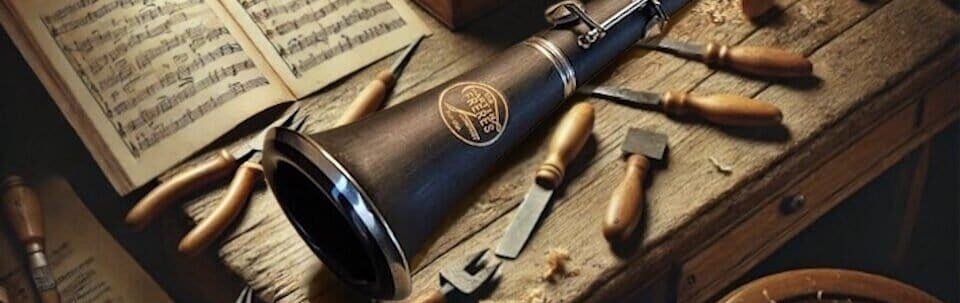
The clarinet in loft jazz is an improvisational voice that blends traditional clarinet techniques with extended techniques like multiphonics, growls, and alternate fingerings, shaped in 1960s-70s New York loft venues. It functions as both melodic and textural instrument, reacting in real time to shifting ensemble dynamics and open forms.
Introduction: Why the Clarinet Belongs in Loft Jazz
The clarinet belongs in loft jazz because its wide color range, flexible dynamics, and agility match the movement's open, experimental spirit. In small New York lofts, clarinetists could whisper over a cymbal wash, scream above drums, or create noise textures with multiphonics and key clicks. The instrument bridges swing-era roots and avant-garde exploration in one body.
For advanced-intermediate players, loft jazz offers a laboratory to stretch sound, time, and interaction. The clarinet's registers can function like multiple instruments: chalumeau as baritone voice, clarion as lead horn, altissimo as raw, vocal-like cry. Extended techniques let you move from melody to texture instantly, ideal for free-form ensembles and non-standard groupings.
Loft jazz also values personal sound over stylistic conformity. That makes it a welcoming space for clarinetists who feel sidelined in hard bop or fusion contexts. With focused practice on extended techniques, listening, and gear setup, the clarinet can become a central voice in modern loft-inspired projects.
A Brief History: Loft Jazz and the New York Scene (1960s-70s)
Loft jazz grew from economic pressure and artistic urgency in late 1960s New York City. As commercial clubs like the Five Spot and Slugs' Saloon closed or shifted bookings, improvisers needed new spaces. Musicians and artists began presenting concerts in inexpensive lofts in SoHo, the East Village, and Lower Manhattan, often living and performing in the same rooms.
By the early 1970s, addresses like 112 Greene Street, Studio Rivbea on Bond Street, and Ali's Alley in Tribeca appeared regularly in Village Voice listings. The Kitchen and Artist's Space hosted cross-disciplinary events where jazz, free improvisation, dance, and visual art overlapped. These venues favored experimentation, long-form sets, and non-commercial instrumentation, which opened doors for clarinet and other less common horns.
Sociocultural forces shaped the sound. Rising rents pushed artists into shared lofts, while the civil rights movement and Black Arts Movement encouraged self-determination in art. Musicians organized DIY concert series and cooperatives, such as Sam Rivers' Studio Rivbea, where extended suites, collective improvisation, and unusual instrument combinations were the norm.
Clarinet's role connects to earlier innovators like Eric Dolphy and Jimmy Giuffre, whose work influenced younger loft players. Interviews with Don Byron and John Carter highlight how Dolphy's bass clarinet on “Out to Lunch!” and Giuffre's chamber-like trios suggested new roles for the instrument. In loft settings, these ideas expanded into more radical forms, with clarinet used as noise generator, second percussionist, or vocal surrogate.
Archival traces appear in concert flyers, cassette releases, and small-label LPs. Liner notes from labels like ECM, Black Saint, and India Navigation describe clarinetists experimenting with multiphonics and microtones. DownBeat and Village Voice reviews from the mid-1970s mention clarinet in mixed-woodwind front lines and as a doubling instrument for saxophonists exploring new timbres in intimate loft acoustics.
Key Players and Recordings Featuring Clarinet in Loft Jazz
Clarinet in loft jazz often appears through multi-reed players who double on soprano, bass clarinet, or B-flat clarinet. While the movement did not produce a single “star” clarinetist equivalent to John Coltrane on tenor, several artists made important contributions that advanced the instrument's role and technique in free contexts.
Anthony Braxton used clarinet and contrabass clarinet in many 1970s New York recordings. Albums like “New York, Fall 1974” and “Five Pieces 1975” show clarinet in graphic-score contexts, with multiphonics, wide intervallic leaps, and chamber-like interaction. Braxton's work demonstrates how clarinet can move between notated material and free improvisation without losing intensity.
Sam Rivers, though best known for tenor sax, frequently used soprano and flute alongside clarinet in his Studio Rivbea performances. Live tapes and the album “Streams” hint at his clarinet approach: fast registral shifts, overblown harmonics, and rapid motivic development. In the loft environment, Rivers' clarinet could cut through dense textures or blend into collective sound masses.
Jimmy Giuffre's earlier New York work with Paul Bley and Steve Swallow, especially on “Free Fall,” became a touchstone for loft-era clarinetists. Although recorded before the peak loft years, its chamber free-jazz aesthetic and soft dynamics aligned closely with later loft practices at spaces like The Kitchen and 112 Greene Street, where quiet, detailed improvisation was valued.
Don Byron, while emerging slightly after the classic loft period, has spoken in interviews about the influence of loft culture and free improvisers on his clarinet concept. His work with the Black Rock Coalition and M-Base related scenes shows how loft-jazz clarinet language carried into the 1980s and 1990s, blending extended techniques with groove-based forms.
Key recordings for clarinet-focused study include Anthony Braxton's “Creative Orchestra Music 1976” (for mixed clarinet textures), the live loft-era recordings of the World Saxophone Quartet where clarinet occasionally appears, and later archival releases from Studio Rivbea sessions. These documents reveal clarinet functioning as both lead voice and coloristic layer within flexible ensemble roles.
Understanding the Clarinet's Anatomy for Free-Jazz Technique
Clarinet anatomy shapes what is possible in loft-jazz technique. B-flat clarinet is the most common choice, but A clarinet, E-flat clarinet, and bass clarinet each offer distinct colors. Bass clarinet, with its extended low range and flexible embouchure demands, is especially favored for textural and drone-based playing in free settings.
The bore and material influence response and extended techniques. A cylindrical bore with undercut tone holes allows stable overblowing and clear register shifts, which matter when jumping between chalumeau and altissimo in free improvisation. Grenadilla wood bodies project a focused core, while plastic or metal instruments can emphasize brightness and edge, useful for noisy loft acoustics.
Mouthpiece and reed interaction sits at the heart of loft-jazz sound. A more open tip and medium-long facing often help with multiphonics, growls, and pitch bends. Softer reeds (2 to 2.5) can make overblowing and subtones easier, though some players prefer slightly harder reeds for stability when pushing dynamics and altissimo in small, reverberant rooms.
The register break around written B4 to C5 is a critical zone for free-jazz clarinetists. Understanding how the throat tone keys, left-hand index finger, and register key interact lets you exploit the break for glissandi, split tones, and sudden register flips. Many loft players intentionally destabilize this area to create expressive cracks and multiphonics.
Alternate fingering groups are central to extended techniques. Fingerings that vent extra tone holes or partially cover keys can produce multiphonics, quarter tones, and unstable timbres. For example, adding low F key combinations to throat tones, or half-holing left-hand fingers, creates complex spectra that respond strongly to embouchure and air changes.
Bass clarinet and contra clarinet introduce additional mechanical factors. Articulated G-sharp keys, extended low keys, and neck angle all affect how easily you can bend notes or produce growls. Many loft players adjust neck straps or endpins to free the jaw and throat, allowing more flexible embouchure for vocalized effects and pitch distortion.
Important Loft-Jazz Techniques for Clarinetists (multiphonics, growls, alt fingerings)
Loft-jazz clarinet technique revolves around expanding the instrument's sound palette. Multiphonics, growls, alternate fingerings, and key/percussive sounds turn the clarinet into a full noise and texture generator. These techniques must be reliable enough to use spontaneously in group improvisation without derailing time or ensemble focus.
Multiphonics involve producing two or more pitches at once. On clarinet, this usually combines a fundamental fingering with embouchure adjustments, air pressure changes, and subtle finger venting. Common starting points include throat A with added low F key, or written G4 with partial right-hand closure. Each fingering yields a specific cluster you can catalog and recall in performance.
Growls add a vocal component by humming or singing while playing. To start, finger a stable mid-register note, then hum a different pitch in your throat. Slightly loosen the embouchure and increase air support. The interaction between reed vibration and vocal fold vibration creates a rough, noisy sound that cuts well in loft spaces without high amplification.
Alternate fingerings support both microtonal work and color variation. Many loft players keep notebooks of personal fingerings for quarter tones, darkened timbres, or unstable pitches. For instance, using side keys instead of main fingerings for certain clarion notes, or half-holing left-hand fingers on E and F, can create sliding pitches ideal for free rubato lines.
Key clicks and air sounds function as percussive elements. By closing keys firmly without full air support, you can create rhythmic patterns that interact with drums or prepared piano. Blowing air without full reed engagement produces breathy noise, which can be shaped with fingerings to suggest ghosted pitches or wind-like textures in quiet loft passages.
Overblowing and altissimo extension are also important. Controlled overblowing at the twelfth and beyond lets you leap across registers and create shrieks or whistle tones. Practicing overblown harmonics on low E and F, then mapping which partials respond best, gives you a vocabulary of high-register cries that can punctuate climaxes in free improvisations.
Practice Routines, Transcription Workflows, and Exercises
A focused practice routine helps turn loft-jazz concepts into reliable performance tools. Start with 20 to 30 minutes of sound exploration each day, then move into structured exercises and transcription work. Treat extended techniques like scales: they need slow, methodical repetition before they can appear naturally in fast, interactive playing.
Begin with long tones that incorporate color shifts. Hold a chalumeau note and gradually add vibrato, air noise, and subtle embouchure bends. Then repeat in clarion and altissimo. This trains your ear and muscles to control timbre independently of pitch, a key loft-jazz skill when responding to evolving group textures.
For multiphonics, choose 3 to 5 reliable fingerings and practice them with a tuner and recording device. Sustain each multiphonic, then try to emphasize different partials by changing tongue position and air speed. Log which combinations feel stable enough for performance and which are more fragile, reserving the latter for solo or duo contexts.
Transcription in loft jazz often focuses on gesture and contour rather than exact pitches. Pick a clarinet or bass clarinet solo from Anthony Braxton or Jimmy Giuffre. Transcribe short phrases, marking register jumps, dynamics, and texture changes. Then improvise your own versions of those gestures in different keys and tempos, keeping the shape but changing content.
Design weekly goals. For example, in week 1, aim to add two new multiphonics and one growl pattern. By week 4, target a 5-minute solo improvisation that uses at least three extended techniques in a coherent narrative. By week 8 to 12, work toward recording a trio or quartet session that documents your developing loft-jazz vocabulary.
Include ensemble simulation in your practice. Use loopers, drones, or recorded rhythm sections to practice reacting in real time. Assign yourself tasks like “respond only with chalumeau textures” or “stay in multiphonics for 16 bars” to build discipline and flexibility. This prepares you for the unpredictable flow of actual loft-style sessions.
Rehearsal & Performance Practices: Listening, Responding, and Group Dynamics
Loft-jazz clarinet performance depends as much on listening and interaction as on technique. In small loft rooms, every sound is exposed, so you must shape your dynamics and density in response to others. The clarinet often acts as a mediator between rhythm section, brass, and strings, shifting roles quickly as the music evolves.
Rehearsals should prioritize non-idiomatic listening exercises. Try free duos with drums or bass where the only rule is that you cannot repeat the same texture twice in a row. Rotate leadership: in one piece, clarinet initiates; in another, you only respond. This builds sensitivity to space, silence, and subtle cues from partners.
In group settings, clarify roles before playing, even in free contexts. Decide whether clarinet will begin as melodic leader, background color, or rhythmic foil. Then allow those roles to dissolve during the set. Loft history shows many ensembles starting with a simple cue or motif, then expanding into collective improvisation where clarinet weaves between foreground and background.
Dynamic control is important in loft acoustics. Practice playing at true pianissimo with full control of pitch and timbre, then rising to fortissimo without spreading tone. In performance, use the room: move slightly, angle your bell toward or away from walls, and adjust your projection so that clarinet can either blend into a texture or cut through when needed.
Non-verbal communication helps manage form in open pieces. Eye contact, body movement, and breath cues can signal transitions, endings, or density changes. Clarinetists often stand near drummers or bassists in loft settings, using proximity to lock into micro-timing details or to coordinate sudden breaks and unison hits.
Record rehearsals and short loft-style concerts, then review with bandmates. Note moments where clarinet overpowered the ensemble or disappeared unintentionally. Adjust your use of extended techniques so they serve the group narrative rather than functioning as isolated effects. Over time, this reflective practice leads to more coherent, emotionally compelling performances.
Maintenance Steps and Gear Setup for Experimental Playing
Experimental loft-jazz playing puts extra stress on clarinet gear. Strong air pressure, vocalized effects, and frequent register shifts can wear reeds, pads, and corks faster than straight-ahead playing. A clear maintenance routine keeps the instrument responsive so extended techniques remain controllable and reliable onstage.
Rotate reeds systematically. Keep 4 to 6 reeds in active use, marking dates and sessions. For heavy growl and multiphonic work, expect reeds to last 5 to 10 hours of playing before losing focus. Lightly sand or clip as needed, but retire reeds that feel unstable in altissimo or multiphonics, since they can sabotage delicate textures.
Clean the mouthpiece daily. Rinse with lukewarm water, wipe the table and rails with a soft cloth, and avoid harsh chemicals that can alter facing. Residue buildup can change response, especially for subtle techniques like subtones and breathy air sounds. Some loft players keep a second mouthpiece set up for more extreme effects.
Pad and cork care matters when you use key clicks and percussive effects. Inspect pads monthly for leaks or compression, especially under right-hand keys and low joint. Dry the instrument thoroughly after sessions in humid lofts. Use a small amount of key oil on pivot screws, but avoid over-lubrication that can attract dust and affect key noise.
Seasonal and climate adjustments are critical in older New York buildings or unregulated rehearsal spaces. In winter, use a case humidifier to prevent cracks in grenadilla bodies. In summer, avoid leaving the clarinet assembled for long periods in hot lofts, which can warp pads and tenons. Schedule a professional checkup at least once a year if you play heavily.
For amplification, experiment with clip-on mics or internal pickups. Place clip-on mics near the lower joint for a warmer sound, or closer to the barrel for more clarity. To reduce feedback, avoid pointing the bell directly at monitors, and use high-pass filters around 80 to 120 Hz. Test your multiphonics and growls through the system before the audience arrives.
Troubleshooting Common Issues in Loft-Jazz Clarinet Performance
Loft-jazz clarinetists face recurring technical problems: squeaks during multiphonics, unstable pitch with alternate fingerings, jaw fatigue from extreme embouchure shifts, and feedback when amplified. Addressing these issues systematically lets you focus on musical interaction instead of firefighting equipment and control problems mid-set.
Squeaks in multiphonics often come from too much embouchure pressure or uneven air support. Quick fix: relax your jaw slightly, lower the tongue, and think of blowing “warm air.” Long-term, practice each multiphonic at very soft dynamics, gradually increasing volume while keeping both pitches sounding. This builds fine control over reed vibration.
Pitch instability in alternate fingerings is common when half-holing or venting extra keys. Use a tuner to map each alt fingering's natural center. Instead of forcing it into equal temperament, learn its inherent pitch, then decide how to use that color musically. In ensemble settings, reserve your most unstable fingerings for solo or sparse textures.
Throat and jaw fatigue come from extended growls, wide bends, and long sessions. Before and after playing, do gentle jaw stretches and neck rolls. During practice, limit intense growl work to 5-minute blocks with rest in between. Experiment with slightly softer reeds or a more open mouthpiece to reduce pressure needed for extreme effects.
Dynamic control in small loft spaces can be tricky. If you find yourself overpowering the room, angle your bell toward the floor or a nearby wall, and focus on air speed rather than sheer volume. Practice playing multiphonics and altissimo at mezzo-piano so they remain expressive without dominating the ensemble.
Amplification feedback usually results from mic placement and monitor angles. Onstage, move a step to the side of your monitor and avoid pointing the bell directly at speakers. Ask the engineer to cut problematic frequencies with a narrow EQ notch, often between 2 kHz and 4 kHz. Test your loudest growls and shrieks during soundcheck to identify trouble spots.
When problems persist, record short practice sessions focused on the issue. Listening back often reveals embouchure tension, inconsistent air, or finger sloppiness that you cannot feel in the moment. Address one variable at a time so you can track which adjustments actually solve the problem in real playing conditions.
Further Listening, Archives, and Research Resources
To deepen your understanding of clarinet in loft jazz, combine close listening with historical research. Start with recordings that feature clarinet or bass clarinet in small, experimental ensembles, then explore archival documents that place those sounds within the broader New York loft context of the 1960s and 1970s.
Important listening includes Anthony Braxton's 1970s New York recordings, Jimmy Giuffre's “Free Fall” and related sessions, and live tapes from Sam Rivers' Studio Rivbea where clarinet appears alongside saxophones and flute. Later documents by Don Byron and John Carter show how loft-era concepts carried into more structured projects while retaining free-jazz clarinet vocabulary.
Archival sources such as Village Voice concert listings, DownBeat reviews, and New York Times arts coverage provide dates, venues, and ensemble lineups. Many university libraries and jazz studies programs maintain microfilm or digital archives of these publications. Liner notes from labels like ECM, Black Saint, and India Navigation often include musician interviews that mention clarinet use and instrument choices.
Oral histories are especially valuable. Interviews with Don Byron, Anthony Braxton, and contemporaries in the Ornette Coleman scene offer insight into how clarinetists navigated a saxophone-dominated environment. Some archives host recorded panel discussions where musicians recall specific loft concerts, instrument setups, and collaborative practices.
For notation and analysis, look for published transcriptions of Braxton's clarinet works and academic theses on free-jazz woodwind technique. While clarinet-specific loft transcriptions are rare, you can adapt saxophone or flute transcriptions by focusing on contour, rhythm, and phrasing, then re-voicing them for clarinet's range and fingerings.
Local jazz archives, musician-run labels, and private tape collections often hold unreleased loft recordings. Networking with historians, educators, and older musicians in your city can uncover rare clarinet performances that expand your understanding of the instrument's role in this creative period.
Conclusion: Pathways for Modern Clarinetists in Loft Jazz
Modern clarinetists can claim a strong, personal voice in loft-inspired jazz by combining historical awareness, technical exploration, and collaborative practice. The clarinet's agility and color range make it ideal for small-ensemble improvisation, where it can move fluidly between melody, harmony, rhythm, and pure texture in a single performance.
Over a 6 to 12 week period, you can build a practical loft-jazz toolkit. Focus on 8 to 12 reliable multiphonics, a set of growl and air-sound options, and a personal library of alternate fingerings. Pair this with regular listening, transcription of key clarinetists, and ensemble rehearsals that emphasize open forms and deep listening.
Player outcomes include an expanded tonal palette, stronger group interaction skills, and new repertoire possibilities. These skills translate into teaching opportunities, avant-garde ensembles, interdisciplinary projects with dancers or visual artists, and session work for experimental recordings. Clarinetists who embrace loft-jazz techniques often find themselves in demand for projects that value originality and sonic risk.
By caring for your instrument, refining your gear setup, and addressing common technical challenges, you can bring the clarinet's full expressive potential into contemporary loft-style scenes. The history of New York loft jazz shows that small rooms and committed collaborators are enough to create lasting, innovative music with clarinet at the center.
Key Takeaways
- The clarinet in loft jazz serves as both melodic and textural voice, using multiphonics, growls, and alternate fingerings shaped in 1960s-70s New York loft venues.
- Understanding clarinet anatomy, mouthpiece-reed setup, and bore characteristics is important for reliable extended techniques and free-jazz control.
- A structured 6-12 week practice plan, combined with focused listening and ensemble work, can yield a practical loft-jazz clarinet vocabulary and new creative opportunities.
FAQ
What is clarinet in loft jazz?
Clarinet in loft jazz refers to the use of clarinet and related instruments like bass clarinet in the experimental, often free-form jazz that emerged in New York loft spaces during the 1960s and 1970s. It emphasizes extended techniques, open forms, and close interaction in small, often non-commercial venues.
How did the clarinet become part of the loft jazz movement?
Clarinet entered the loft jazz movement through multi-reed players and experimental improvisers who sought new timbres beyond tenor and alto sax. Influenced by earlier innovators like Eric Dolphy and Jimmy Giuffre, clarinetists used loft venues as laboratories for multiphonics, microtones, and chamber-like interaction.
Which clarinetists and recordings should I study to learn loft-jazz technique?
Study Anthony Braxton's 1970s New York recordings, Jimmy Giuffre's “Free Fall” period, and live documents from Sam Rivers' Studio Rivbea where clarinet appears. Later work by Don Byron and John Carter extends loft-era concepts. Focus on pieces featuring clarinet or bass clarinet in small, experimental ensembles.
What extended techniques should clarinetists master for free/loft jazz?
Core techniques include multiphonics, growls, alternate fingerings for microtones and color shifts, key clicks, air sounds, and controlled overblowing into altissimo. Clarinetists should also develop dynamic control at very soft and very loud levels, plus the ability to move quickly between traditional tone and noise-based textures.
How should I set up my clarinet and gear for experimental performance?
Use a responsive B-flat or bass clarinet with a slightly open mouthpiece and medium-soft reeds to facilitate multiphonics and bends. Maintain pads and corks carefully, especially if you use percussive key effects. For amplification, choose a reliable clip-on mic, test your extended techniques at soundcheck, and manage monitor placement to avoid feedback.
Where can I find transcriptions or archival recordings of clarinet playing in loft jazz?
Look for Anthony Braxton and Jimmy Giuffre transcriptions in academic libraries and jazz studies programs. Archival recordings appear on labels like ECM, Black Saint, and India Navigation, as well as university and local jazz archives. Newspaper listings, liner notes, and oral histories help locate specific loft-era performances featuring clarinet.
Related Posts: