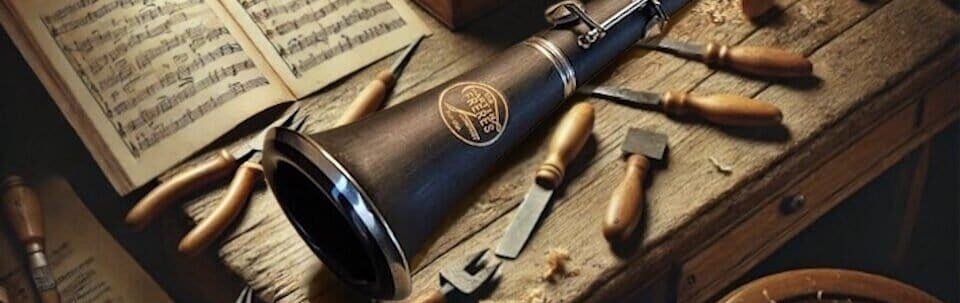
Key Martin Freres clarinet career opportunities include Performance, Teaching, Repair & Restoration, Manufacturing & Design, and Digital Entrepreneurship. Start by: 1) building a strong audition portfolio and gig reel, 2) offering beginner lessons and gaining pedagogy training, 3) apprenticing with a woodwind repair shop, 4) studying acoustics or design, and 5) launching content, online courses, or niche services around clarinet history and vintage Martin Freres instruments.
Overview: Martin Freres Clarinet Career Opportunities
Martin Freres clarinet career opportunities span performance, teaching, repair and restoration, manufacturing and design, and digital entrepreneurship. Each path can use your connection to Martin Freres instruments as a niche advantage, whether you play them on stage, restore vintage models, research their history, or build educational content around their legacy.
For early and mid-career clarinetists, the challenge is turning skills into steady income. This guide breaks down realistic roles, training routes, and income ranges, and explains how Martin Freres history, archival research, and vintage instruments can differentiate you in a crowded field of clarinet professionals and multi-instrumental competitors.
Quick stat: The U.S. Bureau of Labor Statistics reports about 53,000 musicians and singers employed in 2023, with a median hourly wage of $39.14, showing that diversified income streams are important for clarinetists.
Performance Careers: Auditions, Repertoire, and Building a Portfolio
Performance careers linked to Martin Freres clarinets include orchestral work, chamber music, freelance gigs, studio recording, and historically informed performance. Your instrument choice, including vintage Martin Freres models, can shape your sound identity and help you stand out in auditions, niche ensembles, and recording projects focused on French or early 20th century repertoire.
Core performance paths for clarinetists
Common performance roles include orchestral clarinetist, pit musician for theater, military band player, chamber musician, soloist, and session player. Many clarinetists blend these roles with teaching or repair work. Martin Freres instruments can be especially attractive in chamber groups or period ensembles seeking authentic French tonal colors and historical performance practice.
Audition strategy and using Martin Freres tone as a differentiator
For orchestral and band auditions, prepare standard excerpts like Ravel Daphnis et Chloe, Beethoven Symphony No. 6, and Brahms Symphony No. 3. If a Martin Freres clarinet gives you a warm, flexible sound, highlight that color in French repertoire. Always bring a modern backup instrument in case pitch standards or hall acoustics do not favor a vintage clarinet.
Repertoire planning for portfolio and gigs
Build a portfolio that shows technical command and stylistic range. Pair staples like the Mozart Clarinet Concerto and Debussy Rhapsodie with lesser-known French works that suit Martin Freres instruments, such as pieces by Saint-Saens, Pierne, or Milhaud. Recording these on a well-restored Martin Freres clarinet can create a distinctive calling card for agents and contractors.
Recording, demo reels, and online presence
Create a 10 to 15 minute demo reel that includes orchestral excerpts, lyrical solo passages, and a short chamber piece. Note the instrument model in the video description if you use a Martin Freres clarinet, since collectors, historians, and niche ensembles often search for specific brands and models when scouting collaborators or commissioning recordings.
Portfolio tip: Aim for at least 3 high-quality video recordings and 1 professionally mixed audio EP within your first 5 years of a performance-focused career.
Teaching Careers: Private Lessons, Schools, and Online Instruction
Teaching careers related to Martin Freres clarinets include private studios, K-12 band programs, adjunct college positions, and online courses. Many clarinetists build their primary income from teaching while performing or repairing instruments on the side. Your experience with Martin Freres instruments can enrich lessons with historical context and tone-color exploration.
Private studio teaching and curriculum design
Private teaching offers the most flexibility. Start with beginner and intermediate students, then expand to advanced players. Design a curriculum that includes scales, etudes by Rose or Baermann, and solo repertoire. Use Martin Freres instruments as examples when discussing tone production, historical mouthpiece design, and how instrument construction affects response and intonation.
School and university teaching roles
For K-12 band positions, most districts require a music education degree and teaching license. University adjunct roles usually expect at least a master's degree in clarinet performance. While these jobs rarely specify brand expertise, your knowledge of Martin Freres history can support studio classes on equipment choice, historical recordings, and stylistic interpretation of French repertoire.
Online lessons and course creation
Online teaching expands your reach beyond local students. Offer one-to-one lessons via video platforms and develop structured courses on topics like beginner clarinet, French clarinet style, or caring for vintage instruments. Filming demonstrations on a Martin Freres clarinet can attract students interested in tone, history, and instrument collecting.
Marketing your teaching services
Market your studio with a clear niche: for example, classical clarinet with a focus on French repertoire, or clarinet for adult restarters. Mention your familiarity with vintage brands such as Martin Freres to attract students who already own older instruments and need guidance on setup, mouthpiece pairing, and basic maintenance for their specific clarinet.
Repair & Restoration: Skills, Training, and Working with Vintage Instruments
Repair and restoration is a strong career path for clarinetists who enjoy hands-on work and problem solving. Specializing in vintage instruments, including Martin Freres clarinets, can position you as a go-to expert for collectors, dealers, and performers seeking historically respectful restorations and accurate setup for early 20th century French designs.
Core skills for clarinet repair technicians
Important skills include pad installation, cork fitting, key alignment, spring work, soldering, bore evaluation, and crack repair. You also need diagnostic listening skills to connect mechanical issues with playing problems. Familiarity with Martin Freres bore dimensions, key geometry, and original pad styles helps you maintain authenticity when restoring older models.
Training routes and apprenticeships
Many technicians train through band instrument repair schools, apprenticeships, or a mix of both. Look for programs that cover woodwind acoustics and advanced key fitting. Seek an apprenticeship with a shop that regularly services vintage French clarinets, including Martin Freres, Buffet Crampon, and Selmer, so you can compare design eras and learn historically sensitive techniques.
Anatomy of the clarinet for repair work
Mouthpiece, ligature, and reed
The mouthpiece, ligature, and reed form the vibration system. For Martin Freres clarinets, pairing a period-appropriate mouthpiece can reveal the intended resistance and color. Repair technicians must evaluate table flatness, facing curve, and ligature pressure, since small changes here can mask or exaggerate leaks and bore irregularities in the rest of the instrument.
Barrel
The barrel affects tuning and response. Vintage Martin Freres barrels may have slightly different taper profiles than modern designs. Technicians often adjust length or fit alternative barrels to match modern pitch standards. When restoring, preserve original markings and avoid aggressive reboring that could erase historical dimensions or serial stamps.
Upper joint
The upper joint houses most tone holes that control throat and clarion registers. On Martin Freres clarinets, tone hole undercutting and spacing may differ from contemporary French models. Repairers must check for warped tone holes, worn posts, and loose rings, then correct pad heights to maintain the characteristic response and tuning of the original design.
Lower joint
The lower joint manages chalumeau and lower clarion notes. Keywork geometry on older Martin Freres clarinets might use different lever shapes or rod placements. When repadding, maintain original key heights and spring tensions where possible. Altering these too much can change the feel and articulation response that players value in vintage French instruments.
Bell
The bell influences projection and low register focus. Some Martin Freres bells feature subtle flare differences or decorative rings. Cracks or chips near the tenon can affect resonance. Repairers should stabilize wood with reversible methods and avoid heavy sanding that removes material and changes the acoustic profile of the bell.
Working specifically with vintage Martin Freres instruments
Vintage Martin Freres clarinets require gentle handling. Many use aged grenadilla or other hardwoods that can be brittle. Use low-heat techniques for key removal, avoid harsh solvents on original finish, and document all markings before cleaning. When replacing pads or corks, choose materials that approximate the feel and weight of the originals to preserve playing character.
Field note: In several early 20th century Martin Freres catalogues, repair notes mention maintaining original pad thickness and venting to protect intonation. When restoring, measure existing pad seats and key heights before disassembly so you can recreate the original geometry after cleaning and repadding.
Manufacturing & Design: Pathways into Instrument Making and Innovation
Manufacturing and design careers appeal to clarinetists who enjoy engineering, acoustics, and craftsmanship. Studying historical brands like Martin Freres gives insight into how bore shapes, tone hole placement, and keywork evolved. This knowledge can inform new clarinet models, mouthpieces, and accessories that blend vintage character with modern playability.
Roles in clarinet manufacturing
Typical roles include acoustic designer, CAD technician, prototype builder, quality control specialist, and hand finisher. Smaller workshops may combine several roles in one position. Clarinetists with strong playing skills can contribute to play-testing, intonation checks, and ergonomic refinements, especially when referencing classic Martin Freres designs as tonal benchmarks.
Education and skills for design work
Helpful backgrounds include mechanical engineering, industrial design, or acoustics, combined with advanced clarinet performance. Learn CAD software, CNC basics, and wood or composite machining. Study vintage Martin Freres instruments by measuring bore profiles and tone hole dimensions to understand how small geometric changes affect response, color, and tuning.
Innovation inspired by Martin Freres history
Martin Freres produced clarinets during key periods of French instrument innovation. Designers today can draw from these instruments to create modern models that emulate older tonal ideals while solving historic limitations like intonation instability or fragile keywork. This can lead to signature models, specialty barrels, or mouthpieces marketed to players seeking a French-inspired sound.
Digital Careers & Entrepreneurship for Clarinetists
Digital careers give clarinetists new ways to earn income and highlight Martin Freres clarinet history. Opportunities include content creation, online courses, digital sheet music publishing, remote session work, and niche services such as digital cataloging of vintage instruments. These roles often complement performance, teaching, or repair careers.
Content creation and niche authority
Create blogs, videos, or podcasts about clarinet technique, gear, and history. A focused series on Martin Freres models, restoration projects, and sound comparisons can attract collectors and enthusiasts. Monetize through sponsorships, affiliate partnerships, and paid premium content while building a reputation as a specialist in vintage clarinet culture.
Online courses and membership sites
Develop structured courses on topics like clarinet fundamentals, French repertoire, or caring for vintage instruments. Include modules that feature Martin Freres clarinets to illustrate tone concepts and maintenance workflows. Membership sites can offer monthly Q&A sessions, play-along tracks, and curated resources for students and hobbyists worldwide.
Remote recording, editing, and consulting
Offer remote recording services for composers, game developers, and media producers. A unique Martin Freres sound can be a selling point for projects seeking characterful clarinet timbres. Provide consulting on equipment selection, restoration planning, or archival research for clients who own or are considering purchasing vintage clarinets.
Digital income note: Many music creators report that 20% to 40% of their annual income comes from online products and services after 2 to 3 years of consistent content creation.
Networking, Associations, and Professional Development
Networking and professional development are important for any Martin Freres clarinet career path. Building relationships with performers, teachers, repairers, and historians opens doors to gigs, apprenticeships, and collaborations. Associations and conferences also provide chances to present research on Martin Freres history or demonstrate restored instruments.
Professional associations and conferences
Join organizations such as the International Clarinet Association, local musician unions, and regional band associations. Attend conferences, clarinet festivals, and repair conventions. Present lecture-recitals on French repertoire using Martin Freres instruments or share posters documenting restoration projects and archival findings related to specific models or serial ranges.
Local and online networking strategies
Build connections through community orchestras, chamber groups, and local music stores. Offer to give short talks on clarinet care or vintage instrument evaluation. Online, participate in clarinet forums and social media groups where collectors and players discuss Martin Freres instruments, sharing informed, evidence-based insights instead of speculation.
Mentorship and long-term growth
Seek mentors in your chosen path: a principal clarinetist, a master teacher, or an experienced repair technician. Offer value in return, such as assisting with studio tasks or documenting instruments for their records. Over time, you can become a mentor yourself, especially in niche areas like Martin Freres restoration or archival research.
Practical Skills, Education, and Certifications to Start
To pursue Martin Freres clarinet career opportunities, you need a mix of musical, technical, and business skills. Formal degrees help for certain roles, but many paths rely more on demonstrable ability, portfolios, and references. Clarinetists can combine performance training with repair courses, pedagogy workshops, or digital marketing education.
Performance and teaching credentials
For orchestral and university roles, a bachelor's or master's degree in clarinet performance is common. For school teaching, a music education degree and state certification are usually required. Supplement these with pedagogy workshops, reed-making classes, and seminars on French clarinet style where Martin Freres instruments often appear in historical discussions.
Repair and manufacturing training
Band instrument repair schools offer certificates in woodwind repair, often lasting 1 to 2 years. Some technicians also study machining or engineering to transition into manufacturing. Seek continuing education in crack repair, bore analysis, and historical restoration, especially if you plan to specialize in vintage brands like Martin Freres and similar French makers.
Business, marketing, and digital skills
Regardless of path, basic business skills are important. Learn bookkeeping, contract basics, and marketing. Study website building, email lists, and social media strategy to promote your services. Clarinetists focusing on Martin Freres history or restoration can use these tools to reach collectors, museums, and players who value brand-specific expertise.
Historical Context and Martin Freres Archives (Brand Legacy)
Understanding Martin Freres history strengthens your credibility in performance, teaching, and restoration careers. The brand traces its roots to French woodwind making in the late 19th and early 20th centuries, when Parisian workshops refined clarinet design and contributed to the French tonal tradition that still influences modern instruments and pedagogy.
Archival traces of Martin Freres appear in trade catalogues, instrument stencils, and auction records from the early 1900s through mid-century. Museum collections and private archives sometimes list Martin Freres clarinets with inventory numbers and approximate dates, providing reference points for serial numbers, logos, and model names that repairers and historians can use when documenting instruments.
For career development, this history matters in three ways. Performers can program French repertoire on period-appropriate instruments. Teachers can discuss how equipment evolved and why certain tonal ideals emerged. Repairers and makers can study bore and keywork details from surviving Martin Freres clarinets to inform restoration choices and new designs that honor the brand's legacy.
Maintenance & Troubleshooting: Basic Steps Every Clarinetist Should Know
Basic maintenance knowledge supports every Martin Freres clarinet career path. Performers avoid preventable failures, teachers guide students safely, and repairers educate clients. Vintage Martin Freres instruments need special care to protect aging wood, plating, and engraving while keeping them playable for performance, teaching demonstrations, or recording projects.
Clarinet anatomy for everyday care
The clarinet consists of the mouthpiece, ligature, reed, barrel, upper joint, lower joint, and bell. Each part affects tone and response. On older Martin Freres clarinets, subtle differences in bore shape and key layout mean that small leaks or misalignments can have noticeable impact, so careful assembly and cleaning are especially important.
Daily maintenance checklist
After playing, swab the bore from bell to barrel with a lint-free swab, wipe the mouthpiece with a separate cloth, and remove the reed to dry flat. Check that no tenon corks are dry or compressed. For Martin Freres instruments, avoid excessive twisting during assembly to reduce stress on older wood and posts.
Monthly and annual care
Monthly, inspect pads for discoloration, fraying, or sticking. Apply a small amount of cork grease as needed, and check screws for backing out. Annually, schedule a checkup with a qualified technician. For players using a Martin Freres clarinet regularly, an annual or biannual adjustment helps catch early signs of cracks, loose posts, or bore wear.
Special care for vintage Martin Freres instruments
Vintage Martin Freres clarinets benefit from stable humidity, ideally around 40 to 55 percent. Store them in a hard case away from direct heat or sunlight. Avoid abrasive polishes on keys or body. If the instrument has original pads or finish, consult a restoration specialist before any major cleaning to preserve historical value.
Troubleshooting common problems
Common issues include leaks, sticky pads, noisy keys, flat or sharp notes, uneven response, cracked joints, loose tenons, and mouthpiece buzz. Start by checking reed condition, ligature placement, and joint alignment. If problems persist, test tone holes with leak lights or feeler paper. For vintage Martin Freres clarinets, err on the side of professional evaluation.
DIY vs professional repair decision guide
Simple tasks like swabbing, cork greasing, and gently cleaning keys are safe for most players. Replacing reeds, adjusting ligature fit, and minor screw tightening are also reasonable. If you suspect cracks, significant leaks, bent keys, or bore damage, especially on a Martin Freres clarinet, seek a professional repairer who understands vintage woodwinds.
Career Outcomes: Earnings, Typical Roles, and Success Metrics
Clarinet career earnings vary widely, but clear benchmarks help you plan. Martin Freres clarinet career opportunities often combine multiple income streams: performance, teaching, repair, and digital work. Understanding typical ranges and timelines helps you set realistic goals and decide how deeply to specialize in vintage instruments and brand history.
Typical earnings by role
According to U.S. Bureau of Labor Statistics data, musicians and singers earned a median hourly wage around $39 in 2023, with wide variation. Public school band directors often earn $45,000 to $70,000 annually depending on region and experience. Independent repair technicians may gross $40,000 to $80,000 per year once established, especially if they specialize in vintage clarinets.
Digital entrepreneurs combining teaching, content, and product sales can see highly variable income, from a few hundred dollars per year at the start to $50,000 or more annually after several years of consistent growth. Specialists in Martin Freres restoration or archival consulting can command premium rates for rare expertise, especially when working with collectors and institutions.
Career timelines
In the first 0 to 5 years, expect to build skills, portfolios, and networks. Income may be modest and patchwork, with part-time teaching, gigs, and entry-level repair work. Between 5 and 15 years, many clarinetists stabilize into steady teaching loads, recurring performance contracts, or established repair businesses with a clear niche such as vintage Martin Freres instruments.
After 15 years, successful professionals often have a mix of long-term students, regular ensembles, or a loyal client base for repair and restoration. Some publish research on clarinet history, including Martin Freres, or develop signature products. At this stage, reputation and referrals become the main drivers of new opportunities and higher rates.
Success metrics for clarinet careers
Key indicators include consistent income, repeat clients, and artistic satisfaction. For performers, metrics include principal or section positions, recordings, and invitations to festivals. Teachers track student retention and achievements. Repairers measure turnaround times, client satisfaction, and the number of complex restorations completed, including historically sensitive work on brands like Martin Freres.
Illustrative career profiles
One clarinetist might combine a regional orchestra position with a private studio and occasional recording work on a restored Martin Freres clarinet for French chamber music. Another may run a repair shop specializing in vintage French clarinets, teach part-time at a college, and publish online guides about identifying and caring for Martin Freres instruments to attract global clients.
Next Steps, Resources, and How to Apply/Contact
To move forward with Martin Freres clarinet career opportunities, start by choosing one primary path and one supporting path, such as performance plus teaching, or repair plus digital content. Clarify your niche, especially if you plan to feature vintage instruments or Martin Freres history as a core part of your professional identity.
Next, assemble a simple portfolio: recordings, teaching materials, repair before-and-after photos, or design sketches. Include any work involving Martin Freres clarinets, such as documented restorations or historically informed performances. Use this portfolio when approaching ensembles, schools, repair shops, or potential clients and collaborators.
Finally, create a basic online presence with a clear description of your services and expertise. Mention your familiarity with Martin Freres instruments and clarinet history if relevant. Provide contact information, a short biography, and links to recordings or case studies. As you gain experience, update your site and materials to reflect new projects and achievements.
Key Takeaways
- Martin Freres clarinet career opportunities span performance, teaching, repair, manufacturing, and digital entrepreneurship, often combined into a custom portfolio of work.
- Specializing in vintage Martin Freres instruments and history can differentiate you in restoration, research, and niche performance or teaching markets.
- Consistent skill building, clear niches, and strong portfolios are more important than formal titles, especially when working with collectors, advanced students, and specialized ensembles.
FAQ
What is Martin Freres clarinet career opportunities?
Martin Freres clarinet career opportunities are professional paths where your clarinet skills and knowledge of Martin Freres instruments support income. These include performance, teaching, repair and restoration of vintage clarinets, manufacturing and design influenced by historical models, and digital work such as online courses, content creation, and consulting for collectors and players.
How do I become a clarinet repair technician specialized in vintage instruments?
Start with a band instrument repair program or apprenticeship to learn core skills like padding, corking, and key fitting. Then seek mentors and shops that regularly handle vintage clarinets, including French brands such as Martin Freres. Study historical catalogs and surviving instruments, document your restorations, and market yourself as a specialist in vintage woodwind care.
What skills and certifications help land orchestral or teaching jobs as a clarinetist?
For orchestral roles, strong audition skills, advanced technique, and a performance degree are typical. For school teaching, a music education degree and state teaching certification are usually required. University teaching often expects at least a master's degree. Knowledge of clarinet history and equipment, including brands like Martin Freres, can enhance your teaching and studio reputation.
Can I restore a vintage Martin Freres clarinet myself?
You can safely handle basic cleaning, swabbing, and cork greasing, but full restoration of a vintage Martin Freres clarinet is best left to an experienced technician. Older wood, original pads, and unique bore or keywork designs require specialized tools and knowledge. Incorrect repairs can reduce both playing quality and historical or collectible value.
Where can I find Martin Freres archival records or provenance for a vintage instrument?
Look for old trade catalogues, auction listings, and museum or private collection records that reference Martin Freres clarinets. Some archives list inventory numbers, dates, and model descriptions. Comparing logos, serial numbers, and construction details on your instrument with documented examples can help estimate its age and original market position.
How much can a clarinetist expect to earn in performance, teaching, or repair work?
Earnings vary by region and experience. Many orchestral and freelance clarinetists combine performance with teaching, often totaling $30,000 to $70,000 annually. School band directors may earn $45,000 to $70,000 or more. Established repair technicians, especially those specializing in vintage clarinets, may gross $40,000 to $80,000 per year, with additional income from digital or consulting work.
Related Posts: