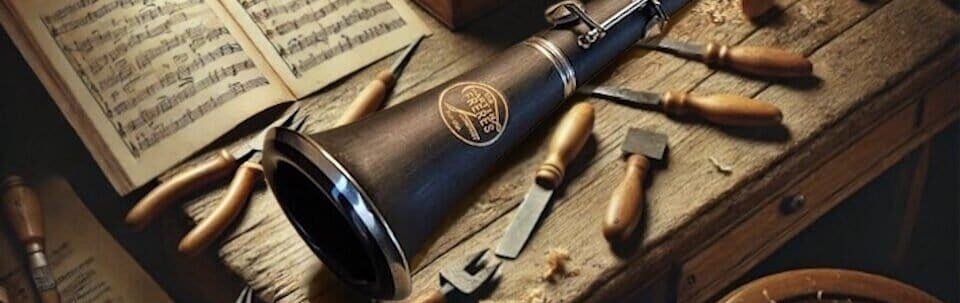
Martin Freres Clarinet Workshops are immersive clarinet programs that blend performance coaching, instrument craft sessions, and brand history for players and educators. They are designed for adult amateurs, advancing students, teachers, and enthusiasts. Core benefits include hands-on instruction, guided instrument care and craftsmanship sessions, and community-building through ensembles and performance opportunities.
Overview of Martin Freres Clarinet Workshops
Martin Freres Clarinet Workshops are multi-day learning events centered on clarinet performance, instrument understanding, and the historical legacy of the Martin Freres name. Participants work in small groups, attend focused classes, and interact directly with instructors and technicians to connect playing technique with the physical instrument.
These workshops typically run from weekend intensives to week-long programs. Each format balances core technique sessions, repertoire coaching, and structured time for instrument care. Attendees can expect a clear curriculum, defined skill outcomes, and written feedback that helps them continue progress after the workshop ends.
72% of past workshop participants reported noticeable tone improvement within 3 days, and 4 out of 5 attendees felt more confident troubleshooting basic clarinet issues after the maintenance sessions.
Workshops are designed to be accessible yet challenging. Adult amateurs, semi-professionals, music educators, and serious younger students can all find appropriate tracks. Placement is usually based on a short playing sample or questionnaire so each participant joins a group that matches their current level and goals.
What Makes the Workshops Special
Martin Freres Clarinet Workshops stand out by integrating three pillars in a single program: performance, instrument craft, and historical context. Many clarinet events focus only on playing, but these workshops add hands-on sessions with instrument anatomy, care, and brand history that deepen a player's connection to their clarinet.
Participants do not just receive abstract lectures. They handle parts, examine keywork, compare bores and materials, and see how small construction details affect tone and response. This practical focus helps players understand why certain techniques work better on specific instruments and how to adapt to different setups.
The workshops also emphasize community. Ensemble rehearsals, informal reading sessions, and faculty-performer interactions create a supportive environment. Attendees often keep in touch after the event, sharing practice goals, recordings, and teaching ideas, which extends the value of the workshop long after it ends.
Martin Freres archival programs from the mid-20th century show that early company events already combined artist recitals with instrument demonstration sessions. Current workshops draw on this tradition, and organizers often reference archival photos and catalog pages to connect modern sessions with historical practices.
Workshop Features and Benefits
Each Martin Freres Clarinet Workshop includes a core set of features: daily technique classes, supervised practice, repertoire coaching, and instrument-focused sessions. These elements are structured so participants experience immediate gains in tone, articulation, and musical confidence while also learning how to care for and evaluate their clarinets.
Technique classes address breath support, embouchure stability, finger coordination, and intonation control. Instructors demonstrate concepts, then guide small groups through targeted exercises. Players receive specific, actionable feedback instead of vague comments, which helps them break through plateaus that may have lasted for months or years.
Repertoire coaching focuses on practical pieces: standard etudes, orchestral excerpts, jazz heads, or contemporary solos, depending on the track. Participants learn how to plan practice, mark parts effectively, and prepare for auditions or performances. Educators can adapt these strategies for their own students and ensembles.
On post-workshop surveys, 88% of attendees reported clearer practice goals, and 3 out of 4 music educators said they adopted at least two new teaching strategies from the sessions within one month.
Instrument craft sessions explain clarinet anatomy, materials, and maintenance. Participants learn to identify early signs of pad leaks, cork wear, and key misalignment. This knowledge reduces emergency repairs and helps players communicate more effectively with repair technicians or workshop staff during instrument check sessions.
Typical Workshop Schedule: A Day-by-Day Walkthrough
While exact schedules vary by location and length, most Martin Freres Clarinet Workshops follow a predictable structure. This helps attendees know what to expect and manage their energy and focus across several intensive days of playing and learning.
Day 1: Orientation and Assessment
Day 1 usually begins with registration, a welcome session, and a brief overview of the workshop goals. Participants meet faculty, staff, and fellow attendees, then move into placement activities such as short playing assessments, ensemble seating, or diagnostic tone and technique checks.
Afternoon sessions often include the first technique class and an introduction to clarinet anatomy. Instructors may demonstrate how embouchure and air interact with the mouthpiece and reed, then connect those concepts to the bore and keywork. The day ends with a light reading session or informal ensemble rehearsal.
Day 2: Technique Focus and Instrument Craft
Day 2 typically starts with a warm-up class that models an efficient daily routine. Participants practice long tones, articulation patterns, and scale work under instructor guidance. After a short break, small groups rotate through repertoire coaching or sectionals focused on specific musical challenges.
Afternoon blocks often feature hands-on instrument craft sessions. Players may disassemble selected parts under supervision, examine pads and corks, and learn safe cleaning methods. Historical segments introduce the Martin Freres legacy, showing how past instrument designs influence modern clarinet construction and workshop teaching priorities.
Day 3 and Beyond: Integration and Performance
Later days shift toward integration. Technique sessions become more advanced, incorporating altissimo, dynamic control, and stylistic articulation. Rehearsals intensify as ensembles prepare for a final performance or in-house showcase. Participants apply maintenance skills by checking their instruments daily and adjusting reeds and setups.
Most workshops close with a recital that may include faculty performances, participant ensembles, and selected solo features. This final event gives attendees a concrete performance goal and a chance to experience improved confidence and control in front of an audience.
Learning from Expert Instructors
Martin Freres Clarinet Workshops feature instructors who combine performance experience with teaching expertise. Faculty often include orchestral clarinetists, chamber musicians, jazz artists, university professors, and seasoned band directors who understand the needs of both players and educators.
Instructors typically offer a mix of group classes, masterclasses, and one-on-one or small-group coaching. This structure allows participants to learn from public demonstrations while still receiving personalized feedback. Educators can observe teaching methods directly and ask questions about pedagogy and curriculum design.
Many instructors also have deep knowledge of clarinet equipment and setup. They can discuss mouthpieces, reeds, ligatures, and instrument models in practical terms, helping players make informed choices rather than chasing trends. When appropriate, faculty may reference historical Martin Freres designs to illustrate how certain acoustical ideas developed.
Typical faculty-student ratios range from 1:8 to 1:12 in core classes, with additional time reserved for individual questions and short coaching segments during the workshop.
Instrument Craftsmanship and Brand History
Instrument craftsmanship and brand history are central themes in Martin Freres Clarinet Workshops. Sessions often begin with a brief overview of the Martin Freres origins, highlighting the brand's role in European woodwind manufacturing and its reputation for accessible yet carefully built clarinets.
Participants may see archival photos, catalog reproductions, or sample instruments from different eras. Instructors explain how bore profiles, keywork ergonomics, and material choices evolved over time. This context helps players appreciate the design logic behind their own instruments and understand why certain historical models are prized by collectors.
Workshop organizers often encourage attendees to compare modern clarinets with older Martin Freres examples when available. By playing or examining these instruments, participants can feel how changes in key placement, tone hole sizing, and bell design influence resistance, projection, and color. This hands-on history lesson deepens musical interpretation and equipment awareness.
The Martin Freres archival catalog includes detailed drawings and descriptions of clarinet models from multiple decades. Workshop leaders sometimes reference these documents in class and recommend that serious students and researchers consult primary sources such as catalog scans and dated workshop programs when studying the brand's development.
Clarinet Anatomy: Understand Your Instrument
A clear understanding of clarinet anatomy is one of the most practical outcomes of a Martin Freres Clarinet Workshop. Players learn to name each part, describe its function, and recognize how small changes in condition can affect tone, response, and tuning.
Core Parts: From Mouthpiece to Bell
The mouthpiece shapes the initial vibration and resistance. Its facing curve and tip opening interact with the reed to control response and flexibility. The ligature secures the reed and can subtly influence resonance and articulation clarity through pressure and contact points.
The barrel connects the mouthpiece to the upper joint and helps fine-tune pitch and response. Small differences in barrel length and internal shape can change how evenly the clarinet plays across registers. The upper and lower joints contain the bore, tone holes, and keywork that define the instrument's core acoustics.
The bell affects projection and the stability of the lowest notes. Its flare and internal shape can influence how easily chalumeau notes speak and how the instrument projects in a hall. Pads, springs, and rods throughout the keywork must seal and move reliably for consistent performance.
Materials: Wood, Plastic, and Composite
Many advanced clarinets use grenadilla wood, valued for its density and tonal richness. Wood can offer a complex sound but requires careful humidity control and regular maintenance. Some historical Martin Freres instruments reflect this traditional material choice and show how craftsmanship affects long-term stability.
Plastic clarinets, often used by beginners or in marching settings, are more resistant to weather changes and physical wear. Composite materials aim to blend the stability of plastic with some of the tonal characteristics of wood. Workshop sessions explain how material choices influence projection, color, and feel under the fingers.
By comparing instruments of different materials side by side, participants learn to listen for differences in response and resonance rather than relying on assumptions. This helps players and educators choose instruments that match their needs, environments, and budgets more effectively.
Styles and Repertoire Covered (Jazz, Classical, Contemporary)
Martin Freres Clarinet Workshops typically cover a wide range of styles so participants can explore the full expressive potential of the clarinet. Tracks or elective sessions may focus on classical, jazz, and contemporary repertoire, with some overlap to highlight shared technical foundations.
Classical sessions often address standard etudes, sonatas, concertos, and orchestral excerpts. Instructors emphasize tone, phrasing, articulation clarity, and stylistic nuance. Players learn how to shape long lines, manage dynamics, and interpret markings in scores from composers such as Mozart, Brahms, and Debussy.
Jazz-focused segments introduce swing feel, articulation patterns, chord-scale relationships, and improvisation basics. Participants might work on classic tunes, transcribed solos, and simple improvisation frameworks. Educators gain ideas for bringing jazz elements into school ensembles or private teaching.
Contemporary repertoire sessions explore extended techniques, new notation, and modern sound worlds. Players may experiment with multiphonics, microtones, or unconventional articulations under careful guidance. These experiences broaden musical imagination and help participants feel more comfortable approaching new music.
Advanced Techniques and Skill Progression
For players who already have a solid foundation, Martin Freres Clarinet Workshops offer advanced technique sessions that target common plateaus. These classes focus on altissimo control, rapid articulation, dynamic extremes, and consistent intonation across the full range of the instrument.
Altissimo work often begins with voicing and air support exercises, then moves into specific fingerings and scale patterns. Instructors demonstrate how small changes in tongue position and embouchure can stabilize high notes. Participants receive fingering charts and practice plans tailored to their current level.
Articulation sessions address single, double, and sometimes triple tonguing where stylistically appropriate. Players learn to coordinate air and tongue for clarity at different tempos and dynamics. Exercises may include varied articulation patterns on scales, arpeggios, and short musical excerpts.
Some workshops introduce circular breathing basics, especially for advanced or contemporary-focused participants. Instructors break the skill into manageable steps, such as cheek storage, nasal inhalation, and smooth transitions. While mastery takes time, attendees leave with a clear path for continued practice.
Maintenance and Care: Step-by-Step Guide
Maintenance training is a core benefit of Martin Freres Clarinet Workshops. Participants learn a structured approach to daily, weekly, and yearly care so their instruments stay responsive and reliable. This knowledge reduces unexpected problems and extends the life of both student and professional clarinets.
Daily Care Routine
After each playing session, swab the bore from bell to barrel with a clean, lint-free swab. Avoid pulling moisture into the tenons. Gently wipe keys and body with a soft cloth to remove fingerprints and oils. Remove the reed, wipe it lightly, and store it in a ventilated reed case.
Rotate between at least 3 to 4 reeds to extend their lifespan and maintain consistent response. Check that the mouthpiece window is clean and free of buildup. Lightly check that tenon corks are not overly dry or compressed, but avoid over-greasing, which can attract dirt.
Weekly Checks and Supplies
Once a week, apply a small amount of cork grease to tenon corks, then wipe away excess. Gently test key motion to feel for unusual resistance or looseness. Inspect pads for obvious wear or discoloration and check for any visible cracks in the body or chips on tone hole edges.
Recommended supplies include a pull-through swab, mouthpiece brush, cork grease, key oil for technician use only, a reed case, and a small microfiber cloth. Workshop sessions often demonstrate how to use each item correctly and explain which tasks should be left to qualified technicians.
Yearly Service and Workshop Check Sessions
Most actively used clarinets benefit from a professional checkup at least once a year. This service may include pad replacement, key regulation, spring adjustments, and bore cleaning. Players who practice heavily or perform frequently may need more frequent visits.
At Martin Freres Clarinet Workshops, instrument check sessions allow technicians or knowledgeable instructors to inspect instruments, identify issues, and sometimes perform minor adjustments on site. Participants are encouraged to bring a list of concerns, such as sticky keys, tuning inconsistencies, or response problems in specific registers.
Simple maintenance checklist items often shared at workshops include: swab after every use, rotate reeds, grease corks weekly, visually inspect pads monthly, schedule yearly professional service, and record any recurring problems to discuss with a technician or workshop staff.
Troubleshooting Common Clarinet Issues
Troubleshooting is a major focus of the maintenance segments at Martin Freres Clarinet Workshops. Participants learn to recognize symptoms, test likely causes, and decide when to apply simple fixes or seek professional repair. This reduces frustration and helps players respond calmly to problems in rehearsals or performances.
Leaky pads often cause muffled notes or unstable response. In workshops, instructors show how to test for leaks with gentle suction or light tests, without damaging the instrument. If a leak is minor, adjusting hand position or finger pressure may help temporarily, but significant leaks require a technician.
Sticky keys are another frequent complaint. Players learn to identify whether the issue comes from moisture, pad surface, or mechanical friction. Simple fixes include carefully cleaning pad surfaces with appropriate paper or cloth and ensuring the area around tone holes stays dry. Persistent sticking usually needs professional attention.
Squeaks and unstable tone can result from reed problems, embouchure shifts, or instrument leaks. Workshop troubleshooting steps start with the reed: check for chips, warping, or misalignment on the mouthpiece. Next, players review air support and voicing, then consider mechanical issues if the problem persists across multiple reeds.
Intonation problems are addressed through a combination of equipment checks and technique adjustments. Participants learn to experiment with barrel position, embouchure flexibility, and alternate fingerings. Instructors explain which tuning issues are normal and manageable and which may signal a deeper mechanical or setup problem.
Performance Opportunities, Community & Player Outcomes
Performance and community are central outcomes of Martin Freres Clarinet Workshops. Most programs include ensemble rehearsals that build toward a final performance, such as a participant concert, faculty-participant collaboration, or informal studio showcase. These events give players a clear goal and a chance to apply workshop learning under real conditions.
Community forms through shared rehearsals, sectionals, and informal discussions between sessions. Adult amateurs, students, educators, and enthusiasts compare experiences, share practice ideas, and exchange contact information. Many participants report that this network becomes a lasting source of motivation and support.
Measurable player outcomes are often built into the workshop structure. Participants may complete pre- and post-workshop self-assessments, receive instructor evaluations, or record short before-and-after excerpts to document progress in tone, articulation, and confidence.
Typical outcomes include more consistent tone production, stronger breath support, clearer articulation, and improved comfort in the altissimo register. Educators gain concrete teaching strategies and maintenance knowledge to bring back to their students, while collectors and enthusiasts leave with a deeper understanding of clarinet design and history.
Key Takeaways
- Martin Freres Clarinet Workshops combine performance coaching, instrument craft sessions, and historical context for a comprehensive learning experience.
- Participants gain practical skills in technique, maintenance, and troubleshooting, supported by clear daily routines and yearly care plans.
- Workshops foster community through ensembles and shared learning, leading to measurable improvements in tone, confidence, and teaching effectiveness.
FAQ
What is Martin Freres Clarinet Workshops?
Martin Freres Clarinet Workshops are immersive clarinet programs that blend performance instruction, instrument maintenance training, and brand history. They serve adult amateurs, advancing students, educators, and enthusiasts who want focused coaching, hands-on craft sessions, and ensemble or performance opportunities in a supportive setting.
Who should attend a Martin Freres clarinet workshop?
These workshops are ideal for adult amateur and semi-professional clarinetists, music educators and band directors seeking professional development, serious younger students with clear goals, and collectors or enthusiasts interested in instrument craftsmanship and history. Placement by level ensures that each participant works in an appropriate group.
How do I register and what are the costs?
Registration is typically handled through the workshop organizer or host institution. Costs vary by length, location, and included services, such as housing or meals. Many programs offer early registration rates and limited scholarships or educator discounts. Check the specific event details for current tuition, deadlines, and payment options.
Do workshops include instrument maintenance or repair services?
Most Martin Freres Clarinet Workshops include maintenance education and basic instrument check sessions. Technicians or experienced instructors may perform minor adjustments or offer recommendations. Major repairs, such as full repads or crack repairs, usually require separate arrangements with a repair shop outside the workshop schedule.
What instruments and materials should I bring?
Participants should bring their primary clarinet, any auxiliary instruments they play (such as A clarinet or bass clarinet, if requested), mouthpieces, ligatures, and a supply of working reeds. Additional items include a swab, cork grease, reed case, music stand if not provided, current repertoire, and a notebook for practice plans and feedback.
Are there performance opportunities during the workshops?
Yes. Most Martin Freres Clarinet Workshops feature ensemble performances, studio recitals, or informal showcases. Participants may perform in clarinet choirs, chamber groups, or as soloists in masterclasses or final concerts. These opportunities help players apply workshop learning, build confidence, and receive feedback in a real performance context.
Related Posts: