Clarinet in jazz documentary films refers to how the clarinet's timbre, repertoire, and players are used onscreen to narrate jazz history and emotion. Documentaries highlight soloists such as Benny Goodman and Sidney Bechet, while films like Ken Burns' Jazz and Keep On Keepin' On use clarinet color to shape the soundtrack, underscore interviews, and evoke specific eras of jazz.
What is clarinet in jazz documentary films?
Clarinet in jazz documentary films describes the musical, historical, and cinematic roles the clarinet plays within non-fiction films about jazz. It covers on-camera performances, archival footage, soundtrack cues, and sound design choices that use clarinet tone to represent periods, places, and personalities in jazz history.
For musicologists, this topic links film studies with jazz historiography. For clarinetists and filmmakers, it offers a practical framework: which players are featured, how their sound is captured, and how clarinet lines interact with narration, interviews, and archival images. The instrument becomes both subject and storytelling tool.
In many documentaries, clarinet functions in three main ways. It appears as a historical artifact in early footage, as a voice of specific artists such as Benny Goodman or Artie Shaw, and as a flexible scoring instrument that can bridge scenes, soften transitions, or highlight emotional turning points in a character's story.
Between 1990 and 2020, over 25 major jazz documentaries released at festivals like Sundance, Tribeca, and SXSW included at least one clarinet feature or solo passage in their soundtracks or archival segments.
A brief history: clarinet's journey from early jazz to the documentary lens
The clarinet entered jazz history in early New Orleans ensembles, where players such as Johnny Dodds and Jimmie Noone wove high, agile counter-melodies above cornet lines. Documentaries that cover this era, including episodes of Ken Burns' Jazz, often rely on these recordings to sonically define pre-swing jazz.
As jazz moved into the swing era, the clarinet became a star instrument. Benny Goodman, Artie Shaw, and Woody Herman fronted big bands, and their filmed performances now appear in documentaries as primary visual and audio sources. Newsreels and short performance films from the 1930s and 1940s are frequently excerpted to illustrate the rise of swing.
With the advent of bebop in the 1940s, the saxophone and trumpet took center stage. Clarinet's role in frontline jazz groups declined, a shift that many documentaries highlight through contrasting soundtracks: bright, reedy swing clarinet cues give way to darker, edgier saxophone recordings when the narrative reaches Charlie Parker and Dizzy Gillespie.
By the 1960s, the clarinet remained important in traditional jazz, klezmer-influenced projects, and avant-garde scenes. Films that explore New Orleans revival bands or European jazz often feature clarinetists like George Lewis or Tony Scott. These appearances help document how the instrument survived outside the bebop mainstream.
Ken Burns' Jazz (2001) spans 10 episodes and over 19 hours of runtime, drawing on hundreds of archival recordings, including dozens of tracks featuring clarinetists from the 1910s through the 1950s.
From the 1990s onward, clarinet began to reappear in documentary storytelling as filmmakers looked back at early jazz and swing. Films such as Benny Goodman: Adventures in the Kingdom of Swing and Keep On Keepin' On use the instrument not only as historical reference but also as a living, breathing sound in contemporary recording sessions.
Key documentaries and film moments that feature the clarinet
Several landmark jazz documentaries give the clarinet a prominent role, either through historical footage or newly recorded soundtracks. These films are important viewing for anyone studying clarinet in jazz documentary films and provide concrete examples of how clarinet functions on screen.
Ken Burns' Jazz devotes significant time to New Orleans and the swing era. Clarinet-centered tracks accompany still photographs of Storyville, early marching bands, and crowded ballrooms. Benny Goodman's recordings often underscore discussions of racial integration and the birth of the big band era, giving his clarinet tone symbolic weight.
In Benny Goodman: Adventures in the Kingdom of Swing, archival concert footage, radio broadcasts, and interviews create a clarinet-focused portrait. The film highlights moments such as the 1938 Carnegie Hall concert, where the clarinet leads the band through iconic arrangements, and uses these performances as narrative turning points.
Keep On Keepin' On, which follows trumpeter Clark Terry and his student Justin Kauflin, features clarinet less as a star and more as a color in the ensemble. Yet several rehearsal and performance scenes include clarinet in the band texture, illustrating how modern documentary soundtracks integrate the instrument alongside trumpet, piano, and rhythm section.
Other documentaries, such as Jazz on a Summer's Day and various National Jazz Museum in Harlem projects, include festival footage where clarinetists appear in traditional jazz or swing revival groups. These scenes show the instrument in live, outdoor settings, which is valuable for filmmakers studying location sound challenges.
Jazz on a Summer's Day (1959) documents the Newport Jazz Festival and includes performances from more than 20 acts, with clarinet appearing in traditional jazz and swing-influenced ensembles captured on color film.
Portraits of notable clarinetists in film (profiles & archival sources)
Documentaries often build narrative arcs around individual clarinetists whose careers illuminate broader jazz history. These portraits combine interviews, archival audio, and performance footage, making them rich sources for both musical and cinematic study.
Benny Goodman appears in many films as the emblem of swing clarinet. Documentaries use his Carnegie Hall recordings, radio broadcasts, and television appearances to trace the rise of big band jazz. His clean articulation and bright tone cut clearly in archival mixes, which is one reason his tracks are favored in historical sequences.
Artie Shaw is often portrayed as a more introspective counterpart to Goodman. Films that feature Shaw, including biographical documentaries and broader jazz histories, highlight his experimentation with strings and unusual orchestrations. His clarinet sound, darker and more fluid, offers a contrasting timbre that filmmakers use to signal a different emotional register.
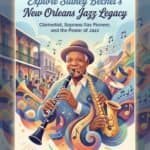
Sidney Bechet, though primarily known as a soprano saxophonist, appears in documentaries as a pivotal early reed voice. When clarinet recordings of Bechet or his contemporaries are used, they often underscore scenes about New Orleans, Paris, or the transatlantic spread of jazz. His intense vibrato and expressive phrasing give these sequences a distinct sonic identity.
Later clarinetists, such as Buddy DeFranco, Jimmy Giuffre, and Eddie Daniels, appear in modern interviews and performance clips. Documentaries that address bebop clarinet or third stream experiments use these artists to challenge the stereotype that clarinet vanished after swing, providing visual and audio evidence of its continued evolution.
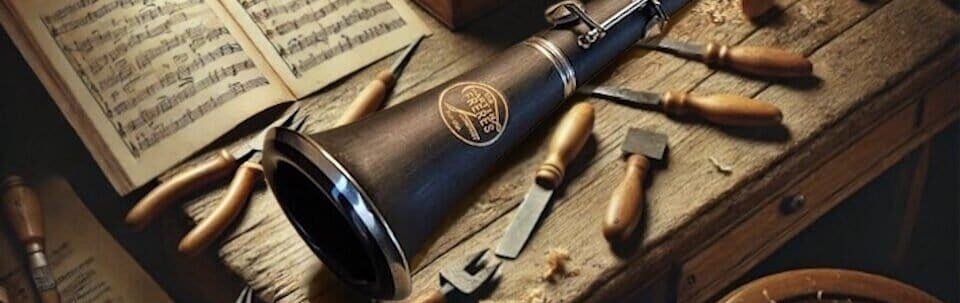
Martin Freres field note: Archival clarinets preserved in the Martin Freres collections, including early 20th century French models, closely resemble instruments seen in European newsreels and jazz shorts. Their narrow bores and smaller tone holes contribute to the focused, penetrating sound often heard in pre-war film prints.
How filmmakers use clarinet sound: scoring, diegetic performance, and sound design
Filmmakers use clarinet in three main sonic roles: as score, as diegetic performance, and as a flexible sound design element. Understanding these categories helps clarify why certain clarinet tracks are chosen and how they are mixed with narration and dialogue.
As score, clarinet often appears in small ensembles or solo passages recorded specifically for the documentary. Composers may use clarinet to evoke early jazz through a New Orleans-style line, or to create an intimate, vocal-like melody under interviews. Its wide dynamic range allows subtle underscoring without overpowering speech.
Diegetic performances occur when the clarinet is visible on screen: a band on stage, a rehearsal in a living room, or a street parade. In these scenes, the clarinet sound must match the visual action. Documentary editors often intercut archival footage with modern audio restorations, so careful sync and room tone matching are critical.
In sound design, clarinet can function as a bridge between eras. For example, a film might begin with a scratchy 78 rpm transfer of a 1920s clarinet solo, then crossfade into a modern studio recording of a clarinet playing the same theme. This technique connects past and present, while giving mixers control over clarity and stereo image.
Clarinet is also useful for thematic motifs. A specific clarinet phrase might recur whenever a certain city, club, or musician is mentioned. Because the instrument is less dominant in modern pop culture than saxophone, its sound can feel distinctive and personal, helping viewers recognize recurring musical ideas tied to the story.
Clarinet anatomy and tone qualities filmmakers and listeners should know
Understanding clarinet anatomy helps filmmakers and sound designers predict how the instrument will record and mix. The main components are the mouthpiece, reed, ligature, barrel, upper and lower joints, and bell. Each part shapes tone, projection, and response, which in turn affect how the clarinet sits in a documentary soundtrack.
The mouthpiece and reed form the sound source. Harder reeds and more closed mouthpieces often yield a focused, controlled tone, while softer reeds and more open facings can produce a brighter, more flexible sound. In close-miked recording, these choices influence how much reed noise and articulation detail the microphone captures.
The barrel and bore dimensions in the upper and lower joints affect tuning and color. Instruments with a larger bore can sound broader and more strong, which may suit big band excerpts. Narrower bores often produce a compact, penetrating sound that cuts through dense mixes, useful when clarinet must compete with narration and ambient noise.
The bell shapes low-register response and projection. In film mixes, low chalumeau notes can either provide a warm bed under dialogue or, if recorded too close, create boomy resonances. Engineers often angle microphones slightly off-axis from the bell to balance warmth and clarity.
Compared with saxophone, clarinet has a more pronounced timbral shift between registers. The break between chalumeau and clarion registers can be dramatic. Filmmakers who want a smooth, vocal-like line may favor clarion register melodies, while those seeking a woody, intimate color might focus on chalumeau passages.
Material also matters. Wooden clarinets, usually grenadilla, tend to produce a complex, warm tone with rich overtones, especially noticeable in high-quality recordings. Plastic clarinets can sound slightly brighter and less complex but are more stable in outdoor or on-location shoots, where temperature and humidity vary.
Recording and mic techniques for capturing the clarinet in documentary contexts
Recording clarinet for documentary films requires balancing clarity, natural tone, and compatibility with dialogue. Engineers must consider room acoustics, microphone choice, and the visual demands of filming, especially when capturing live performances or re-creation sessions for the camera.
In studio settings, a common starting point is a small-diaphragm condenser placed 12 to 24 inches from the instrument, aimed between the lower joint and the bell. This position captures key noise, finger articulation, and body resonance without overemphasizing the bell, which can sound harsh if too close.
For a more intimate sound, some engineers place a large-diaphragm condenser slightly above the clarinet, aimed down toward the keys. This angle reduces direct air noise from the mouthpiece and reed while preserving warmth. It works well for solo clarinet lines that will sit under voiceover or interviews.
On location, clip-on microphones attached to the barrel or bell ring are common. They provide consistent level as the player moves, which is important when the camera follows musicians through a parade or club. However, these mics can exaggerate key noise and breath sounds, so gentle EQ and noise reduction may be needed in postproduction.
When filming ensembles, multiple mic layers help. A close mic on the clarinet ensures definition, while room microphones capture natural ambience. In post, mixers can adjust the balance to match camera angles: more room sound for wide shots, more close mic for tight performance close-ups or archival still montages.
Filmmakers should also consider sample rate and bit depth for archival quality. Recording at 24-bit, 48 kHz or higher preserves dynamic nuance and reduces noise, which is important if the soundtrack will be remixed for future restorations or alternate language versions.
Craftsmanship, preservation, and historical instruments (brand legacy & archives)
Historical clarinets play a quiet but important role in jazz documentary films. When archivists or museums provide instruments for re-creation scenes, the craftsmanship of early 20th century makers influences both the visual authenticity and the recorded sound. Bore design, keywork, and materials all shape the timbre captured on film.
Instruments from the 1910s to 1930s often feature narrower bores and different key ergonomics than modern clarinets. When players use these instruments in historically informed sessions, the resulting sound can be slightly more nasal and direct, closely resembling the tone heard on early acoustic and electrical recordings preserved by institutions like the Library of Congress.
Preservation of these historical instruments is critical. Controlled humidity, careful pad replacement, and non-invasive crack repairs ensure that they can still be played safely for recording sessions. Some documentaries film in museum spaces or archives, where curators supervise any use of original instruments on camera.
Martin Freres, known historically for French clarinet production, appears in some private and institutional collections. When such instruments are used in re-creation or educational segments, their distinct French bore and tonal profile can help differentiate European jazz scenes from American ones, giving filmmakers another layer of sonic storytelling.
High-resolution recording of historical clarinets also serves archival goals. When a documentary team captures a restored vintage instrument at 96 kHz or higher, those files can support future research, sample-library creation, or museum exhibits, extending the life of both the instrument and the film project.
Audience impact: emotional and narrative outcomes of clarinet on screen
Clarinet sound shapes how audiences feel about the people and places shown in jazz documentaries. Its vocal-like quality can suggest intimacy, nostalgia, or vulnerability, depending on register and phrasing. Filmmakers exploit these associations to deepen character arcs and underscore key narrative shifts.
In scenes about early childhood or formative musical memories, a soft chalumeau melody can evoke warmth and reflection. When a documentary covers loss, illness, or the decline of a scene, a sparse clarinet line, perhaps with subtle vibrato, can mirror the emotional weight of the interviews without overwhelming them.
Conversely, bright clarion or altissimo clarinet passages can energize montages of dancing crowds, touring bands, or festival stages. Swing-era sequences often use fast clarinet riffs to convey momentum and optimism, reinforcing visual images of packed ballrooms and enthusiastic audiences.
Because clarinet is less common in mainstream pop scores, its appearance can also signal authenticity. Viewers may subconsciously associate its sound with archival recordings and historical accuracy, especially when paired with black-and-white footage or period photographs from collections like the National Jazz Museum in Harlem.
For clarinetists featured in documentaries, a well-mixed track can significantly impact career visibility. Clear, expressive clarinet sound in a widely distributed film can lead to festival invitations, teaching opportunities, and new collaborations, turning the documentary into a long-term calling card.
Troubleshooting and maintenance tips for players supplying recordings for film
Clarinetists preparing for documentary recording sessions must prioritize stability and consistency. Filmmakers often require multiple takes, pickups, and alternate angles, so the instrument must respond reliably across hours of playing. A simple pre-session maintenance routine can prevent costly delays on set.
Start with reed selection and rotation. Choose 3 to 4 reeds that play evenly across registers and break them in over several days. Mark each reed and rotate them during the session to avoid sudden failures. For close-miked work, favor reeds that minimize squeaks and excessive brightness.
Apply cork grease sparingly to tenon corks before travel and assembly. Check that joints fit snugly but not tightly, which prevents air leaks and alignment problems that can affect tuning. Inspect pads for obvious leaks by playing soft long tones in all registers and listening for instability or fuzziness.
Clean the bore with a pull-through swab between takes, especially in humid rooms. Moisture buildup can change intonation and response, leading to inconsistent sound between early and late takes. Wipe the mouthpiece and reed to remove condensation that might cause gurgling or pitch sag.
For seasonal wood care, avoid rapid temperature shifts between outdoor locations and air-conditioned studios. Use a case humidifier in dry climates and allow the clarinet to acclimate before playing. This reduces the risk of cracks, which can end a session and complicate long-term preservation of the instrument.
Before the session, create a checklist: spare reeds, cork grease, small screwdriver, cigarette paper or pad cleaning paper, swab, and a backup ligature. Having these items on hand allows quick fixes for minor issues like sticky pads, loose screws, or slipping ligatures during filming.
Recommended documentaries, streaming sources, and archival collections
Several documentaries and archives are especially useful for studying clarinet in jazz documentary films. They offer a mix of historical footage, modern interviews, and high-quality recordings that highlight the instrument's role across eras and styles.
Ken Burns' Jazz is a foundational resource, available on major public television platforms and some streaming services. Its extensive use of early clarinet recordings and swing-era footage makes it a central reference for both historians and sound designers analyzing clarinet's narrative function in long-form documentary storytelling.
Benny Goodman: Adventures in the Kingdom of Swing and other Goodman-focused films can often be found through classic film distributors, specialty music DVD labels, or library collections. These works provide concentrated examples of clarinet-led big band performance and the visual language used to frame a clarinet star.
Jazz on a Summer's Day and other festival documentaries, such as Newport and Montreux retrospectives, show clarinet in live outdoor contexts. These films are valuable for filmmakers planning location shoots, as they reveal how clarinet balances with crowd noise, wind, and stage acoustics in real-world conditions.
For archival audio and video, the Library of Congress, the National Jazz Museum in Harlem, and various European broadcasters maintain collections that include clarinet performances. Many have digitized materials accessible online or via research appointments, offering primary sources for documentary soundtracks and scholarly work.
Streaming platforms frequently rotate jazz documentary offerings, so clarinet-focused viewers should search by artist name (e.g., Benny Goodman, Artie Shaw), festival (e.g., Newport), or director (e.g., Ken Burns). Academic libraries and national archives remain the most reliable long-term repositories for rare clarinet footage and recordings.
Further resources, references, and FAQ
For deeper research, combine film viewing with primary audio sources and scholarly texts. Liner notes from historical reissues, discographies, and oral histories from institutions like the Smithsonian and the National Jazz Museum in Harlem can clarify recording dates, personnel, and instrument details that are only briefly mentioned in documentaries.
Sound designers and filmmakers may benefit from technical guides on woodwind recording, which explain microphone polar patterns, room treatment, and postproduction workflows specific to clarinet. Clarinetists can consult orchestral and jazz pedagogy texts for articulation, phrasing, and style insights that translate directly into more expressive film performances.
Key takeaways
- Clarinet in jazz documentary films operates as both historical evidence and expressive score, linking early New Orleans ensembles to modern narrative storytelling.
- Instrument anatomy, reed setup, and microphone placement strongly influence how clarinet sits under dialogue and archival footage in a film mix.
- Thoughtful maintenance, troubleshooting, and archival recording practices help clarinetists and filmmakers create durable, emotionally compelling soundtracks.
FAQ
What is clarinet in jazz documentary films?
Clarinet in jazz documentary films refers to how the instrument, its players, and its repertoire are used on screen to tell jazz stories. This includes archival footage of swing and New Orleans bands, newly recorded scores, and live performances captured for the camera, all shaped through editing and sound design.
Which documentaries prominently feature the clarinet?
Key titles include Ken Burns' Jazz, Benny Goodman: Adventures in the Kingdom of Swing, and Jazz on a Summer's Day. Many festival and artist-focused films also feature clarinet in traditional jazz or swing revival groups, and archives like the Library of Congress hold additional clarinet-rich footage used in various documentaries.
How do filmmakers record the clarinet for documentary soundtracks?
Filmmakers typically use condenser microphones placed 12 to 24 inches from the clarinet, aimed between the lower joint and bell, to balance clarity and warmth. On location, clip-on mics and room microphones capture both direct sound and ambience, with postproduction mixing tailored to match dialogue, narration, and visual perspectives.
How does clarinet construction affect its sound in film recordings?
Bore size, barrel length, mouthpiece design, and material all influence recorded tone. Wooden clarinets often produce a warm, complex sound, while plastic instruments can be brighter and more stable outdoors. Narrower bores yield a focused, penetrating tone that cuts through mixes, which is useful when clarinet supports narration or dense ensembles.
What are quick maintenance tips for a clarinetist heading into a film session?
Break in and rotate 3 to 4 reliable reeds, apply cork grease lightly, and check pads for leaks with soft long tones. Swab the bore between takes, keep the mouthpiece clean, and bring essentials such as spare reeds, a backup ligature, small screwdriver, and pad cleaning paper to handle minor issues on set.
Where can I find archival clarinet performances used in documentaries?
Archival clarinet performances appear in collections at the Library of Congress, the National Jazz Museum in Harlem, and various national broadcasters. Many recordings and films have been digitized and are accessible online or through research visits, providing source material for documentaries and reference listening for scholars and performers.
Related Posts: