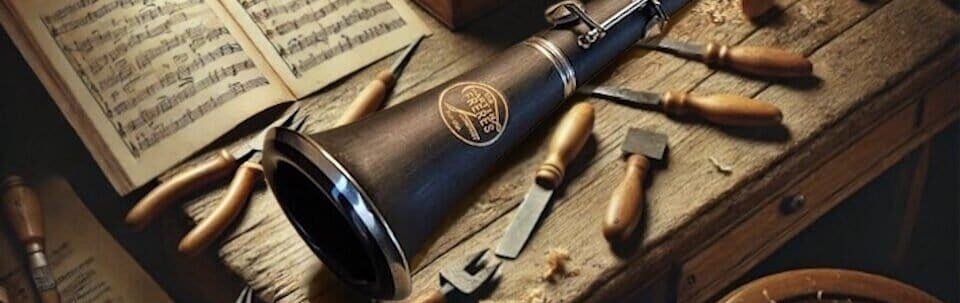
The clarinet in chamber music is a versatile woodwind that alternates between melodic lead and harmonic support in small ensembles, shaping color and character in the group. Its role is famously showcased in Mozart's Clarinet Quintet in A major, K.581, Brahms' Clarinet Quintet in B minor, Op.115, and Messiaen's Quartet for the End of Time (1941).
Introduction: Why the Clarinet Matters in Chamber Music
The clarinet in chamber music offers a unique mix of vocal warmth, agility, and dynamic range that few instruments can match. In a small group, it can sing like a soprano, blend like a viola, or anchor harmony like a horn. This versatility makes it central to repertoire from Mozart to Messiaen.
For clarinetists, chamber work develops listening, flexibility, and color control in ways solo and band playing rarely demand. Players must shape phrases with strings, match articulation with piano, and balance projection without overpowering colleagues. These skills directly improve orchestral, solo, and even jazz performance.
Chamber music also places the clarinet in historically important roles. Works by Wolfgang Amadeus Mozart, Johannes Brahms, Igor Stravinsky, and Olivier Messiaen define how composers understood the instrument. Understanding this context helps performers make stylistic choices that respect both the score and the ensemble.
A Brief Historical Timeline (late 18th century to modern)
The clarinet entered chamber music in the late 18th century as its keywork improved and its tone stabilized. Earlier chalumeau instruments lacked the range and flexibility needed for complex ensemble writing. By the 1770s and 1780s, makers in cities like Vienna and Mannheim had produced clarinets that attracted composers such as Mozart and Carl Stamitz.
Mozart's Clarinet Quintet in A major, K.581 (1789), written for Anton Stadler, is a landmark. It shows the clarinet as an equal partner with strings, not a novelty color. Around the same time, Carl Stamitz and other Mannheim school composers wrote trios and quartets that explored the clarinet's lyrical and virtuosic potential alongside violin and cello.
In the early 19th century, chamber use expanded but often in salon settings. Composers like Louis Spohr and Franz Krommer wrote works that paired clarinet with strings and piano. These pieces helped standardize the clarinet's role as both a singing voice and agile inner part, especially in mixed ensembles popular in Vienna and Paris.
The late 19th century brought a second golden age through Brahms. Inspired by clarinetist Richard Mühlfeld, Brahms composed the Clarinet Quintet in B minor, Op.115 (1891), and the Clarinet Trio in A minor, Op.114. These works deepen the clarinet's role as a dark, introspective voice that can merge seamlessly with strings and piano.
In the early 20th century, modernist composers reimagined the clarinet's chamber function. Stravinsky's Three Pieces for Clarinet Solo (1919) highlight its rhythmic bite and coloristic extremes without accompaniment. Later, in 1941, Olivier Messiaen's Quartet for the End of Time used clarinet in a mixed ensemble with violin, cello, and piano to express spiritual and timbral intensity.
After World War II, the clarinet became a staple in contemporary chamber music. Composers such as Pierre Boulez, Luciano Berio, and Elliott Carter wrote works that push multiphonics, microtones, and extreme dynamics. University and conservatory ensembles now program both classic quintets and cutting-edge mixed works, making chamber music a central training ground for clarinetists.
Signature Repertoire and Key Works (Mozart K.581, Brahms Op.115, Messiaen 1941, Stravinsky, Stamitz)
Certain chamber works define how clarinetists think about ensemble playing. These pieces appear on auditions, competitions, and degree recitals, and they shape expectations for tone, phrasing, and blend. Knowing their history and technical demands helps players prepare effectively and coach ensembles with confidence.
Mozart's Clarinet Quintet in A major, K.581, is often a clarinetist's first major chamber masterpiece. Written for basset clarinet, it explores the low register in lyrical and conversational ways. The clarinet must match the Vienna-style singing of the first violin, while also disappearing into inner textures in movements like the Larghetto.
Brahms' Clarinet Quintet in B minor, Op.115, presents a darker, autumnal sound world. The clarinet frequently doubles inner string voices, requiring careful balance and color shading. In the first movement, the player must move from foreground to background within a few measures, adjusting vibrato-like flexibility and dynamic nuance.
Messiaen's Quartet for the End of Time (1941) places the clarinet in a mixed ensemble with violin, cello, and piano. The third movement, “Abîme des oiseaux,” is a clarinet solo that tests extreme control of soft dynamics, long phrases, and color changes. In the ensemble movements, the clarinet must cut through dense piano chords without sounding harsh.
Stravinsky's Three Pieces for Clarinet Solo (1919) are not chamber works in the strict sense, but they influence how clarinetists approach rhythm and color in ensembles. The second piece's flexible tempo and articulation often serve as a model when playing mixed chamber works by Stravinsky, Béla Bartók, and other early modernists.
Carl Stamitz and his contemporaries wrote trios and quartets that are ideal for learning classical style. Works such as Stamitz's Clarinet Quartet in B flat major demand clean articulation, classical phrasing, and light balance with strings. These pieces are especially useful for students transitioning from band repertoire to classical chamber literature.
Beyond these core works, clarinetists should explore pieces like Paul Hindemith's Quartet for Clarinet, Violin, Cello, and Piano, Francis Poulenc's Trio for Oboe, Bassoon, and Piano (often paired with clarinet trios), and Darius Milhaud's Suite for Violin, Clarinet, and Piano. Each offers different balance challenges and stylistic languages that expand ensemble skills.
Typical Ensemble Roles: Quintet and Mixed Group Breakdown
In a string quintet with clarinet, the clarinet often alternates between soloist and inner voice. In Mozart K.581, the opening theme belongs to the clarinet, but later passages require it to support the viola or second violin. The player must constantly adjust projection so the melodic line always feels balanced within the texture.
In mixed trios, such as clarinet, cello, and piano, roles shift quickly. The clarinet may lead melodic material, but the piano often controls harmony and rhythmic drive. Clarinetists must listen to the pianist's voicing and pedaling, matching articulation and timing so the group feels like one instrument rather than three competing voices.
Wind quintets give the clarinet a central balancing role between flute and oboe on the high side and horn and bassoon on the low side. The clarinet often acts as a timbral bridge, smoothing transitions between bright and dark colors. In works by Carl Nielsen or Paul Taffanel, the clarinet frequently doubles lines with both high and low partners.
In contemporary mixed ensembles, such as clarinet with violin, percussion, and electronics, the clarinet may function as a coloristic specialist. Composers might assign multiphonics, flutter tongue, or microtones to the clarinet while other instruments hold more traditional roles. Clarinetists must balance extended techniques with clarity so the ensemble texture remains intelligible.
When paired with voice, the clarinet can act as an echo or extension of the singer. In works like Schubert's “Der Hirt auf dem Felsen” (Shepherd on the Rock), the clarinet doubles and decorates the vocal line. Here, the clarinetist must match consonant placement, vowel color, and breath phrasing to support the text.
In educational or community chamber settings, the clarinet often serves as a flexible partner, filling gaps in instrumentation. Clarinetists may cover oboe lines, second violin parts, or even horn cues in arrangements. Understanding the original instrument's role helps clarify how to phrase and balance when playing such adapted parts.
Techniques for Blending, Balance and Dynamics in Chamber Settings
Blending in chamber music starts with tone concept. Clarinetists should aim for a core sound that can lean brighter or darker as needed. Practicing long tones while matching a violinist's vibrato speed or a cellist's bow weight helps develop flexibility. Record rehearsals to hear whether your tone sits inside the ensemble or on top of it.
Balance depends on dynamic control across registers. The clarinet's chalumeau can carry surprisingly far, while the clarion may thin out if unsupported. Practice playing passages from Mozart or Brahms at pianissimo and mezzo piano, focusing on evenness. In rehearsal, ask colleagues whether they can still hear inner details at softer dynamics.
Articulation must match the ensemble's style. With strings, lighter tonguing and slightly separated notes often blend better than heavy, pointed attacks. When playing with piano, align the start of each note with the pianist's finger contact, not just the metronome. Try practicing passages with only air attacks to feel legato connections before adding tongue.
Intonation is a shared responsibility. Clarinetists should know their instrument's tendencies, such as sharp throat tones or flat low E. Use alternate fingerings, like adding low F to stabilize E, or using left-hand F sharp to adjust pitch. Tune chords from the bottom up, listening to cello or piano bass lines before adjusting your own pitch.
Color matching is a subtle but powerful tool. In Brahms, slightly darkening the sound by relaxing the embouchure and using more lower lip cushion can blend with viola and cello. In Stravinsky or Milhaud, a brighter, more focused tone may match flute and oboe better. Experiment with mouthpiece angle and voicing to shift color without changing pitch.
Dynamic shaping within phrases should reflect the ensemble, not just the clarinet line. If the first violin has a long crescendo, the clarinet may need to start softer than written and grow more gradually. Mark in your part where you intentionally underplay or overplay the printed dynamics to match the group's overall contour.
Rehearsal Strategies and Workshop Notes (practice at lower volume, listening, adaptability)
Effective chamber rehearsals for clarinet start at lower volumes. Practicing Mozart K.581 or Brahms Op.115 at mezzo piano or softer exposes balance issues and articulation mismatches. Once the group blends comfortably at quiet dynamics, it becomes easier to scale up to forte without losing clarity or control.
Listening strategies are important. Choose one partner to prioritize at a time. For example, in a clarinet-piano trio, spend one run listening almost exclusively to the cello, then another focusing on the pianist's left hand. This targeted listening reveals how your part fits into harmony and rhythm beyond your own line.
Subdivision and pulse agreement prevent ensemble drift. Clarinetists should practice tricky passages with a metronome, then rehearse with colleagues clapping inner beats before playing. In Messiaen's Quartet for the End of Time, where rhythms can be complex, agree on breath points and silent counts so entrances feel unanimous.
Adaptability means adjusting on the fly. If a violinist struggles with a high passage, the clarinetist might slightly reduce volume or sharpen articulation to clarify the texture. In rehearsal, discuss these choices openly. Ask colleagues what they need from the clarinet to feel supported, and be willing to modify fingerings or dynamics.
Score study accelerates ensemble cohesion. Clarinetists should own scores of Mozart K.581, Brahms Op.115, and Messiaen's Quartet and mark where other instruments have key motives or harmonic pivots. Knowing when you double the viola or answer the cello helps you decide whether to blend or contrast in tone and timing.
Workshop-style rehearsals, where you isolate short sections and experiment, can be very productive. Try playing a passage with exaggerated dynamics, then with extreme legato, then with minimal vibrato-like flexibility. Discuss which version best serves the music. This approach, often used in festivals and masterclasses, builds a shared vocabulary within the group.
Instrument Selection, Setup and Historical Makers (archival note on Martin Freres)
Instrument choice affects how easily a clarinetist can blend in chamber music. A clarinet with a warm, focused sound often works better than one optimized for sheer projection. Players should consider bore design, mouthpiece facing, and barrel length when setting up for Mozart, Brahms, or Messiaen in small halls or salons.
The mouthpiece is the first major factor. A more closed tip opening with a medium facing can offer better control at soft dynamics, which is important in chamber music. Wider tips may project more but can be harder to manage at pianissimo. Clarinetists should test mouthpieces by playing with a string quartet or piano, not just alone.
Barrel length and design influence tuning and color. A slightly longer barrel can help stabilize pitch in warm rooms or when playing with strings tuned slightly high. Some players keep two barrels, differing by 1-2 millimeters, and switch depending on ensemble and venue. Barrel material and internal shape also affect how the sound centers in a small group.
The bore profile of the clarinet body shapes resonance and projection. Instruments with a slightly smaller or more traditional bore often produce a compact, blendable tone. Larger bores can feel more open but may require extra work to avoid overpowering colleagues. Trying instruments in real chamber settings is the best way to judge suitability.
Key regulation and pad condition directly affect quiet playing and subtle articulation. In chamber music, leaks or uneven key heights become obvious in soft passages. Regular regulation ensures that pianissimo entrances speak reliably, which is important in works like the Larghetto of Mozart K.581 or the soft sections of Messiaen's “Abîme des oiseaux.”
Maintenance & Basic Care for Chamber Performance (reeds, bore, pads, storage)
Chamber music exposes every detail of a clarinetist's sound, so maintenance directly affects ensemble results. Reeds should be carefully selected and rotated with chamber dynamics in mind. A reed that feels fine at forte in band may be too stiff or unresponsive for pianissimo entries in Brahms or Messiaen.
Reed testing for chamber use should include long tones at soft dynamics, slurred intervals, and gentle articulation. Keep a rotation of 4-8 reeds that respond easily at mezzo piano or softer. Mark reeds that excel in quiet control and reserve them for chamber rehearsals and performances rather than loud orchestral work.
Swabbing and bore cleaning after every rehearsal prevent moisture buildup that can warp pads and affect tuning. In chamber settings, where you may play for long periods at moderate volume, condensation can accumulate gradually. Use a clean, absorbent swab and occasionally wipe the tenons to prevent swelling that could alter fit and response.
Pad condition is critical for soft playing. Even a small leak can cause notes to crack or respond late, which is disastrous in exposed passages. Schedule periodic checks with a qualified technician to ensure pads seal well and key heights are even. Pay particular attention to throat tone pads and low joint keys, which often affect blend.
Cork grease and joint fit influence tuning stability and resonance. Joints that are too tight can restrict vibration, while loose joints may leak air. Apply a small amount of cork grease regularly, then wipe excess to avoid buildup. Check that the barrel and upper joint fit smoothly, allowing quick assembly in rehearsal without strain.
Storage and humidity control matter for chamber performance reliability. Keep the clarinet in a stable environment, ideally between 40 and 60 percent relative humidity. Sudden changes between dry practice rooms and humid performance spaces can affect wood and pads. Using a case humidifier or silica packs, as appropriate to your climate, helps maintain consistency.
Troubleshooting Common Ensemble Problems (intonation, projection, reeds)
Intonation conflicts with strings are a frequent challenge. String players often use flexible intonation, raising leading tones and adjusting thirds in chords. Clarinetists should listen carefully to the cello and first violin, then adjust with voicing and alternate fingerings. Slightly lowering the tongue position can flatten sharp notes without biting the embouchure.
Projection issues arise when the clarinet either overpowers or disappears. If you are too loud, experiment with softer reeds, a slightly more closed mouthpiece, or a more relaxed embouchure that reduces edge. If you are too soft, focus on core support and air speed rather than biting. Ask colleagues for feedback from different distances in the room.
Reed problems often surface in chamber settings because of the demand for subtlety. A reed that feels unstable at soft dynamics may need gentle balancing with sandpaper on the heart or rails. If a reed chirps on quiet attacks, check for warping or adjust the tip slightly. Always carry a few pre-tested reeds that you trust for exposed passages.
Response issues at low dynamics can sometimes be traced to key regulation. If low E or F fails to speak softly, check that the right-hand keys close fully and simultaneously. In rehearsal, you can temporarily adjust finger pressure to compensate, but long term, a technician should correct spring tension and key heights.
Ensemble rhythmic disagreements can feel like intonation problems. Clarinetists should clarify attacks by coordinating with the pianist's or violinist's physical motions. In complex rhythms, such as in Messiaen or Stravinsky-inspired works, count subdivisions out loud in rehearsal and agree on where breaths occur so that entrances line up precisely.
When quick fixes are needed during a rehearsal, try simple adjustments first. Swap to a slightly longer or shorter barrel to address overall pitch, adjust mouthpiece position on the cork, or use alternate fingerings for specific notes. Communicate clearly with colleagues about what you are changing so the group can respond together.
Recommended Scores, Recordings, and Further Study
Studying authoritative scores and recordings deepens understanding of the clarinet's chamber role. Urtext editions of Mozart's Clarinet Quintet K.581 and Brahms' Clarinet Quintet Op.115 provide reliable texts for interpretation. For Messiaen's Quartet for the End of Time, consult critical editions that include the composer's performance notes and tempo indications.
Recordings by leading clarinetists such as Sabine Meyer, Martin Fröst, and Richard Stoltzman offer contrasting approaches to tone and phrasing. Listening to multiple versions of the same work, such as different ensembles performing Brahms Op.115, helps clarify which interpretive choices are personal and which are widely accepted stylistic norms.
Online resources like IMSLP provide access to public domain scores for Mozart, Brahms, Stamitz, and many other composers. Grove Music Online and Oxford Music Online offer historical and analytical articles on the clarinet and its repertoire. Library of Congress recordings and other archival collections preserve historic performances that reveal earlier performance practices.
For technique and ensemble skills, clarinetists can study chamber-focused method books and orchestral excerpt collections that include chamber passages. Many conservatories publish studio syllabi listing required chamber works, which can serve as informal repertoires guides for independent learners and ensemble coaches.
Workshops, summer festivals, and university chamber programs provide hands-on experience. Playing Mozart K.581, Brahms Op.115, and Messiaen's Quartet under the guidance of experienced coaches accelerates learning. Seek programs that pair clarinetists with strong string players and pianists, as this mix mirrors professional chamber settings.
Long term, clarinetists should build a personal chamber library that includes scores, parts, and annotated recordings. Keeping notes on balance solutions, fingerings, and rehearsal strategies for each piece creates a reusable resource. Over time, this personal archive becomes a powerful tool for teaching, coaching, and performing clarinet chamber music.
Key Takeaways
- The clarinet in chamber music shifts constantly between soloist, inner voice, and colorist, especially in works by Mozart, Brahms, Messiaen, Stravinsky, and Stamitz.
- Successful ensemble playing depends on flexible tone, precise intonation, and dynamic control tailored to strings, piano, and mixed groups.
- Thoughtful setup, consistent maintenance, and targeted troubleshooting directly improve reliability and confidence in chamber performances.
- Regular score study, critical listening to recordings, and participation in coached ensembles deepen both historical understanding and practical skills.
FAQ
What is clarinet in chamber music?
Clarinet in chamber music refers to the clarinet's role within small ensembles such as string quartets with clarinet, trios, and mixed groups. The instrument alternates between leading melodic lines, supporting inner harmonies, and adding color, as heard in works by Mozart, Brahms, Messiaen, and many modern composers.
Which chamber works best showcase the clarinet?
Key chamber works that showcase the clarinet include Mozart's Clarinet Quintet in A major, K.581, Brahms' Clarinet Quintet in B minor, Op.115, and Messiaen's Quartet for the End of Time (1941). Important additional pieces include Stravinsky's Three Pieces for Clarinet Solo, trios by Carl Stamitz, and mixed ensembles by Hindemith and Milhaud.
How should a clarinetist balance dynamics with a string quartet?
To balance with a string quartet, clarinetists should start rehearsals at lower volumes, focus on a warm, flexible tone, and adjust dynamics to match the first violin's phrasing. Listening closely to viola and cello helps set inner-voice levels, while subtle changes in embouchure and air speed prevent overpowering the group.
What rehearsal strategies help clarinetists blend in chamber groups?
Helpful strategies include practicing at soft dynamics, isolating short sections, and rotating listening focus among ensemble members. Using a metronome for complex passages, studying the full score, and experimenting with different articulations and tone colors in rehearsal all improve blend and cohesion in chamber groups.
How do I choose reeds and mouthpiece setup for chamber music?
For chamber music, choose a mouthpiece with a moderate tip opening and facing that allows secure control at soft dynamics. Select reeds that respond easily at mezzo piano and quieter, and maintain a rotation of several stable reeds reserved for chamber use. Always test setups while playing with colleagues, not just alone.
When should I use historical instruments or a Martin Freres clarinet for chamber performance?
Historical instruments, including vintage clarinets by makers such as Martin Freres, are most appropriate in historically informed performances of 18th and 19th century chamber works or in intimate salon settings. Their typically warmer, more compact sound can blend well with period strings and pianos, but they require careful setup and familiarity.
Related Posts: