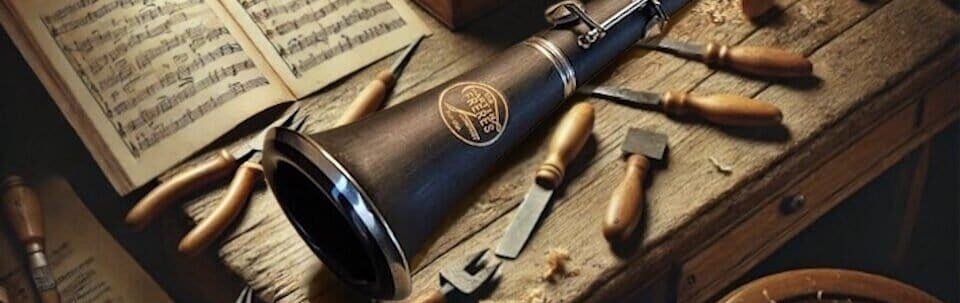
Martin Freres clarinet collectors are individuals and institutions who collect, preserve, and study clarinets made by Martin Freres, valuing their craftsmanship, historical significance, distinctive tonal character, and provenance. They focus on authentication, careful conservation, and documenting the brand's role in clarinet making history.
Introduction: The Allure of Martin Freres Clarinet Collecting
Collecting Martin Freres clarinets combines the pleasure of owning finely crafted instruments with the satisfaction of preserving musical history. These French-made clarinets bridge 19th and 20th century design, offering a window into evolving performance practice, manufacturing techniques, and the spread of the clarinet across Europe and North America.
For many collectors, the appeal lies in the balance of accessibility and rarity. Martin Freres instruments appear often enough in auctions and estate sales to be findable, yet each example carries unique engraving, keywork details, and playing characteristics. This mix rewards careful research, ear training, and methodical documentation.
Advanced players, historians, and vintage instrument enthusiasts are drawn to the tonal palette of Martin Freres clarinets, often described as warm, vocal, and flexible. Collectors also value the brand's role in making quality instruments available to conservatory students and serious amateurs during key periods in clarinet history.
A Brief History and Legacy of Martin Freres (brand-focused)
The Martin Freres name appears in French trade directories and instrument stamps from the mid to late 19th century, associated with woodwind manufacture in Paris and surrounding regions. The brand followed the broader French clarinet evolution from simple-system instruments to Boehm-system models favored by conservatory-trained players.
By the late 1800s, Martin Freres was producing clarinets for both domestic and export markets, often competing with firms such as Buffet Crampon, Couesnon, and Thibouville. Surviving catalogs from this era show a range of models, from student instruments to more elaborately keyed professional clarinets in grenadilla and boxwood.
In the early 20th century, Martin Freres clarinets circulated widely in Europe, the United Kingdom, and North America. Dealers and stencil arrangements sometimes obscured the origin, but many instruments retained clear Martin Freres bell or barrel stamps. These clarinets served band programs, theater orchestras, and conservatory students seeking reliable French-made instruments.
Production appears to taper in the mid 20th century as consolidation in the French instrument industry increased and larger brands dominated export markets. Today, Martin Freres survives primarily through its instruments in private collections, museum holdings, and documented auction sales, where the brand is recognized as a representative of solid French clarinet craftsmanship.
Who Collects Martin Freres Clarinets – Collector Profiles
Martin Freres clarinet collectors include advanced amateur and professional clarinetists who want a historical counterpart to their modern instrument. They often seek one or two well-preserved examples to explore period sound, compare ergonomics, and use for specific repertoire or chamber projects.
Vintage instrument collectors and musical instrument historians form another core group. They focus on production eras, keywork evolution, and comparative study with other French makers. For them, Martin Freres clarinets help fill in the mid-tier and student-professional segment of the historical market.
Museums, university collections, and archives also collect Martin Freres clarinets as representative examples of French woodwind manufacture. These institutions prioritize documented provenance, original cases and accessories, and instruments linked to specific players, ensembles, or teaching studios.
Finally, some collectors are family heirs who discover a Martin Freres clarinet in an attic or inherited music trunk. They may not identify as collectors initially, but they often seek information on authenticity, value, and whether to restore, display, or sell the instrument.
Notable Martin Freres Models and How to Identify Them
Although documentation is incomplete, surviving instruments and catalogs suggest several recurring Martin Freres model types. Collectors typically group them by system (simple-system vs Boehm), material, and level (student, intermediate, professional), then refine identification using engraving, keywork, and bore details.
Simple-system Martin Freres clarinets, often in C or Bb, usually date from the late 19th to early 20th century. They feature fewer keys, larger tone holes, and sometimes boxwood bodies with decorative rings. Stamps may read “Martin Freres” or a variation, sometimes with a Paris address and a lyre or wreath emblem.
Boehm-system models in Bb and A form the bulk of surviving instruments from the early to mid 20th century. These typically use grenadilla or ebonite, with nickel or silver-plated keywork. Some examples show stepped model lines, such as basic student models with simplified keywork and higher-grade instruments with auxiliary trill keys and more refined finishing.
Identification relies on several clues: the exact wording and style of the bell stamp, presence of additional logos on the upper joint or barrel, serial number location and format, and case design. Comparing these elements with dated catalog images and known auctioned examples helps narrow the production window and model tier.
Clarinet Anatomy: Distinguishing Martin Freres Features
Understanding clarinet anatomy is important for recognizing Martin Freres traits and spotting non-original parts. Start with the body material. Many Martin Freres clarinets use grenadilla with a slightly matte finish, while some student or export models use ebonite. Earlier examples may feature boxwood with stained or natural finishes.
Inspect the bore profile by looking through the upper and lower joints. Martin Freres bores often follow a traditional French profile, with subtle taper and relatively narrow dimensions compared to some modern designs. This contributes to a focused, singing tone that many collectors and players appreciate.
Keywork layout offers additional clues. On Boehm models, look at the shape of spatulas for the left-hand pinky keys, the design of the right-hand trill keys, and the style of the register key. Martin Freres key arms often have slightly rounded, less angular profiles than some contemporaries, with modest but clean hand-finishing marks.
Tenon design is another distinguishing feature. Many Martin Freres clarinets use relatively slim tenons with corks that sit in narrow channels. On original instruments, the cork may appear thinner than modern replacements. Collectors should note any signs of tenon shortening, bushing, or re-cutting, which can affect value and playability.
Engraving and stamps deserve close attention. Authentic Martin Freres marks are usually sharply impressed, with consistent letter spacing and depth. Faded or double-struck stamps can occur through wear, but poorly aligned or shallow stamps may indicate later re-marking or confusion with stencil instruments.
Acquiring and Authenticating Martin Freres Instruments
Successful acquisition starts with clear goals. Decide whether you want a fully playable example, a historically important but fragile piece, or a project instrument for careful restoration. This choice shapes your budget, tolerance for wear, and willingness to undertake long-term repair work.
When evaluating a potential purchase, begin with the stamps and serial numbers. Photograph the bell, barrel, and upper joint logos, as well as any serial marks on the lower joint or inside tenons. Compare these with documented Martin Freres examples from catalogs, museum collections, and reputable auction listings.
Next, assess whether the main components are original to each other. Mismatched barrels, bells, or joints are common in vintage clarinets. Look for consistency in wood grain, patina, keywork style, and stamp design. An upper joint with a different logo style than the lower joint may indicate a composite instrument.
Distinguishing original parts from later repairs is important. Original keywork will usually share the same plating type and wear pattern. Replacement keys often show different casting marks, sharper or duller edges, or plating that has aged differently. Modern replacement rings, thumb rests, or posts can also signal past damage.
For higher-value instruments, consider professional authentication. A specialist woodwind technician or historian familiar with French clarinets can inspect bore dimensions, keywork geometry, and repair history. Their written report can support insurance valuations and future sales, especially when paired with high-resolution photographs and any surviving paperwork.
Maintenance and Conservation Best Practices
Vintage Martin Freres clarinets require a balance between playability and preservation. The goal is to stabilize the instrument, prevent further damage, and respect original materials. Over-restoration, aggressive refinishing, or modernizing keywork can reduce historical value and alter the instrument's character.
Daily care for a played vintage Martin Freres
After each playing session, swab the bore gently with a soft, lint-free pull-through swab. Avoid metal weights that could strike tone hole edges. Remove and dry the mouthpiece separately. Wipe keys lightly with a clean cloth to remove skin oils, especially on silver-plated mechanisms prone to tarnish.
Do not use bore oils or commercial cleaners without a clear need and professional guidance. Many older woods have stabilized over decades, and excessive oiling can swell tenons or soften old glues. If you choose to oil, use a minimal amount of high-quality bore oil applied sparingly by a trained technician.
Monthly and seasonal checks
Once a month, inspect pads for leaks, discoloration, and sticking. Vintage pads may be leather or bladder-style. Lightly dusting with pad paper can help, but avoid powdered products that leave residues. Check tenon corks for compression and cracking, especially if joints feel loose or overly tight.
Seasonal changes in humidity can stress older wood. Aim for a stable environment around 40 to 55 percent relative humidity and moderate temperature. Sudden shifts, such as moving from a dry heated room to cold outdoor air, increase crack risk, especially on older grenadilla and boxwood instruments.
Annual and long-interval maintenance
Every one to three years, depending on use, have a qualified technician inspect the instrument. They can check for developing cracks, loose posts, worn pivot screws, and pad deterioration. For lightly played collector pieces, this inspection may focus on stabilization rather than full repads or mechanical overhauls.
Avoid aggressive polishing of keys or body. Light hand polishing of silver-plated keys with a non-abrasive cloth is acceptable, but machine buffing can remove plating and blur original tool marks. Never sand or re-lacquer the body, as this erases historical surface details and can alter bore dimensions.
Common Troubleshooting Scenarios and Repair Guidance
Vintage Martin Freres clarinets often present predictable issues that differ from modern instruments. Recognizing these patterns helps you decide what you can safely address yourself and when to seek professional restoration. Always document the instrument's condition with photos before any intervention.
Stuck joints and tight tenons
Stuck joints are common after long storage. Do not twist aggressively. Instead, gently warm the tenon area with your hands and apply a very small amount of cork grease around the cork edge, not deep into the socket. If the joint remains immovable, consult a technician to avoid cracking the socket or tenon.
Overly tight tenons may indicate swelling or thick replacement cork. A technician can thin the cork or evaluate whether the wood has distorted. Never sand the wood tenon yourself, as this permanently changes fit and can weaken the joint.
Cracks, glue lines, and previous repairs
Cracks often appear near the top of the upper joint, around tone holes, or at tenons. Use a strong light and magnification to inspect. Hairline cracks may have been stabilized with pins or internal sleeves. Visible glue lines around the barrel or bell can signal past breaks or reassembled pieces.
Do not attempt to fill cracks with household glues or epoxies. These materials complicate proper future repairs and can discolor the wood. Professional restorers use reversible adhesives and techniques that respect the instrument's structure and historical integrity.
Pad replacement and keywork issues
Replacing pads on a Martin Freres clarinet requires sensitivity to original pad types and seat geometry. Oversized or overly firm modern pads can alter response and intonation. A specialist can choose pad thickness and material that match the era and bore design.
Key corrosion, plating loss, and worn hinge tubes are also frequent. Light surface tarnish is usually cosmetic, but green corrosion or pitting can seize mechanisms. Do not soak keys in harsh cleaners. Targeted mechanical cleaning, lubrication with appropriate key oil, and selective replating are better handled by a professional.
Market Trends, Valuation, and Auction Records
Valuing a Martin Freres clarinet depends on condition, completeness, model tier, playability, and documented provenance. While not as expensive as top-tier names, well-preserved examples with original cases, mouthpieces, and paperwork can command solid prices among collectors and players seeking character instruments.
Market data comes from auction houses, online marketplaces, and specialist dealers. Auction catalogs from firms in Paris, London, and New York occasionally list Martin Freres clarinets, often grouped with other French brands. Realized prices help establish ranges but must be interpreted in light of condition and local demand.
Student and intermediate models in fair condition typically sell at modest prices, reflecting their role as playable curiosities or restoration projects. Higher-grade grenadilla Boehm-system instruments with intact keywork and minimal cracks can reach significantly higher values, especially when recently overhauled by a respected technician.
Provenance adds value. Instruments linked to known teachers, regional orchestras, or historically notable ensembles attract interest from museums and dedicated collectors. Documentation such as purchase receipts, repair invoices, and period photographs strengthens provenance claims and supports higher valuations.
For insurance or estate planning, a written appraisal from a specialist familiar with French clarinets is advisable. They can compare your instrument with documented sales, adjust for regional market differences, and provide a realistic replacement or fair market value.
Community, Archives, and Resources for Collectors
Martin Freres clarinet collectors benefit from a growing network of online and institutional resources. Enthusiast forums, social media groups, and dedicated vintage clarinet communities allow owners to share photos, serial numbers, and repair experiences, building a collective knowledge base.
Libraries and archives with strong music collections often hold trade catalogs, method books, and advertisements featuring Martin Freres. National libraries in France, the United Kingdom, and the United States are key starting points. Digital collections sometimes include scanned catalogs that show model names, prices, and illustrations.
Museums with instrument collections, such as major European and American institutions, may list Martin Freres clarinets in their online catalogs. These entries provide reference photos, measurements, and acquisition details, which help collectors compare features and approximate production dates.
Some researchers maintain informal serial number registries and photo archives of Martin Freres instruments. Sharing your instrument's details with such projects contributes to a clearer production timeline and helps future collectors authenticate their finds more accurately.
Trusted repair and restoration services form another pillar of the community. Seek technicians with documented experience on French clarinets and a conservation-minded approach. Recommendations from other collectors, professional players, and museum staff are often more reliable than generic repair shop listings.
Emotional Value and Player Outcomes
Beyond historical and monetary value, Martin Freres clarinets carry strong emotional significance. Many collectors describe a sense of continuity when playing an instrument that has already served musicians for decades. The tactile feel of older keywork and the patina of the wood connect present-day players to earlier musical lives.
Tonal character is a major outcome for players. Martin Freres clarinets often produce a warm, singing sound with a slightly veiled edge compared to some modern instruments. This can suit French repertoire, early 20th century chamber music, and solo works where color and nuance outweigh sheer projection.
Ergonomic differences also shape the playing experience. Key spacing, ring heights, and thumb rest positions may feel narrower or lower than on contemporary clarinets. Some players find this encourages a lighter touch and more economical finger motion, while others need time to adjust their hand position.
Collectors who play their instruments often report that practicing on a Martin Freres clarinet refines their control of air support, voicing, and dynamic shading. Switching back to a modern clarinet after such sessions can reveal new flexibility and tonal options, making the vintage instrument a valuable practice partner.
For non-players, the emotional value may center on family history. An inherited Martin Freres clarinet can become a tangible link to a parent, grandparent, or teacher. Even if it is no longer played regularly, careful conservation and tasteful display honor that connection while preserving the instrument for future generations.
Key Takeaways for Martin Freres Clarinet Collectors
- Authenticating a Martin Freres clarinet requires close inspection of stamps, keywork style, bore profile, and repair history, ideally compared with documented examples.
- Thoughtful maintenance focuses on stabilization, gentle cleaning, and climate control, avoiding aggressive refinishing or untested DIY repairs.
- Market value depends on condition, model tier, playability, and provenance, with documented history and expert restoration significantly influencing price.
- Community knowledge, archival catalogs, and museum records are important tools for dating instruments and understanding their place in clarinet history.
- Playing a well-set-up Martin Freres clarinet offers unique tonal colors and a direct connection to historical performance traditions.
FAQs
What is Martin Freres clarinet collectors?
Martin Freres clarinet collectors are people and institutions who seek out, preserve, and study clarinets made by the Martin Freres brand. They focus on authenticating instruments, understanding their historical context, maintaining them responsibly, and often exploring their distinctive tonal and ergonomic qualities through playing.
How can I tell if a Martin Freres clarinet is authentic?
To assess authenticity, examine the bell and barrel stamps for clear “Martin Freres” markings, consistent font, and appropriate symbols or addresses for the era. Check that upper and lower joints match in wood, patina, and keywork style. Compare serial numbers and engraving with documented examples, and consult a specialist if doubts remain.
What maintenance does a vintage Martin Freres clarinet need?
A vintage Martin Freres clarinet needs gentle swabbing after playing, periodic checks of pads and corks, stable humidity around 40 to 55 percent, and regular inspections by a qualified technician. Avoid aggressive polishing, unneeded bore oiling, or DIY crack repairs. The goal is to stabilize the instrument and prevent new damage.
Where can I find Martin Freres clarinet archival records or catalogs?
Archival records and catalogs appear in national libraries, university music collections, and museum instrument departments, especially in France and other European countries. Digital collections sometimes host scanned trade catalogs. Online collector communities and research projects also share catalog excerpts, serial observations, and photos of documented instruments.
How much is a Martin Freres clarinet worth?
The value of a Martin Freres clarinet varies widely with condition, model level, completeness, and provenance. Student or intermediate models in worn condition may have modest value, while well-preserved grenadilla Boehm-system instruments with expert restoration and documentation can command higher prices. A specialist appraisal using recent comparable sales is the best guide.
Should I play my Martin Freres clarinet or keep it as a display piece?
Whether to play or display depends on the instrument's condition, rarity, and your goals. Many Martin Freres clarinets can be safely played after careful restoration and climate-controlled storage. Extremely fragile, heavily cracked, or historically unique examples may be better conserved primarily as display or study pieces with minimal playing.
Related Posts: