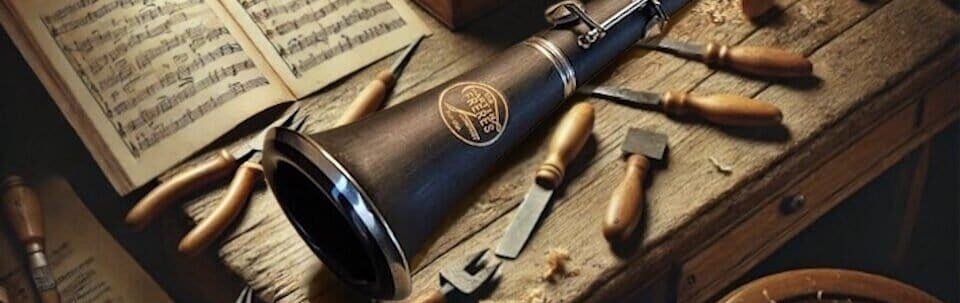
The clarinet in jazz is a woodwind instrument central to early jazz styles such as New Orleans and Dixieland and a defining voice in swing; prized for its wide range, expressive tone, and flexibility for melody and improvisation. Its agile upper register and warm chalumeau make it ideal for both lead lines and intricate solos.
The Role of the Clarinet in Jazz: From New Orleans to Swing
The clarinet entered jazz in the early 1900s in New Orleans, where it often played a high, weaving countermelody above cornet and trombone. In ensembles led by musicians like King Oliver and Kid Ory, the clarinet filled the sonic space between brass and rhythm section, adding agility and expressive slides that shaped the new music.
By the 1910s and 1920s, New Orleans and Dixieland bands in Chicago and New York featured clarinet as a core voice. Players such as Johnny Dodds and Sidney Bechet recorded for labels like Okeh and Victor, leaving early sides that show the clarinet's piercing yet vocal sound, rich use of vibrato, and blues inflections that defined early jazz phrasing.
In traditional New Orleans style, the clarinet usually played obbligato lines rather than the main melody. It improvised around the tune, using arpeggios, scale runs, and expressive ornaments. This role required strong ear training and a flexible embouchure to move quickly across the clarinet's three main registers while staying in tune with brass instruments.
As jazz moved into the big band era of the 1930s, the clarinet shifted from a purely ensemble role to a star solo voice. Bandleaders like Benny Goodman, Artie Shaw, and Woody Herman put the clarinet in front of large swing orchestras, using its bright projection to cut through brass sections and drive danceable, riff-based arrangements.
The 1938 Benny Goodman Carnegie Hall concert, preserved in historic recordings and Library of Congress references, marked a turning point. It showcased the clarinet as a concert-worthy jazz instrument, capable of virtuosic solos, chamber-like small group interplay, and powerful big band features in a prestigious classical venue.
During the swing era, the clarinet often doubled as both lead instrument and section voice. In smaller combos like the Benny Goodman Trio and Quartet, the clarinet carried the melody and improvised choruses. In full big bands, it sometimes led reed sections or added color above saxophones, reinforcing the instrument's versatility.
With the rise of bebop in the 1940s, the clarinet's prominence declined as the alto and tenor saxophone became the main horn voices. Complex, high-speed bebop lines were technically possible on clarinet but more demanding. Some players, such as Buddy DeFranco, proved that bebop clarinet could be fluid and modern, though the instrument became more of a specialist choice.
In later decades, the clarinet found new roles in cool jazz, West Coast scenes, and avant-garde music. Musicians such as Jimmy Giuffre, Eric Dolphy, and later Don Byron and Anat Cohen used clarinet and bass clarinet to explore chamber textures, world music influences, and free improvisation, showing that the clarinet in jazz is not limited to early styles.
Today, the clarinet appears in traditional jazz revival bands, swing dance ensembles, small-group modern jazz, and crossover projects with classical and folk influences. Its historical association with early jazz gives it a nostalgic character, while its technical range and color keep it relevant for contemporary improvisers and composers.
The B-flat Clarinet and Other Jazz Models
The B-flat clarinet is the standard choice for jazz because it balances projection, range, and familiar transposition. Most jazz charts, fake books, and big band arrangements include B-flat parts written with this instrument in mind, making it the most practical option for ensemble work and jam sessions.
Compared with the A clarinet, common in orchestras, the B-flat clarinet has a slightly brighter, more penetrating tone that suits jazz phrasing and swing articulation. Its intonation tendencies are well understood by jazz players, and mouthpiece and reed options are widely available to support flexible, expressive jazz setups.
Other clarinet sizes also appear in jazz. The E-flat clarinet offers a shrill, brilliant sound used occasionally for special color in big bands and contemporary ensembles. The bass clarinet, popularized in modern jazz by Eric Dolphy and others, provides a dark, resonant low register that blends well with bass and baritone saxophone.
Some early New Orleans and European players used C clarinets, which read concert pitch without transposition. These instruments have a lighter, more folk-like sound. While less common in professional jazz settings today, C clarinets occasionally appear in traditional bands and historically informed performances of early jazz repertoire.
Material and construction also influence model choice. Wooden B-flat clarinets, typically made from grenadilla, are preferred for their warm, complex tone and dynamic nuance. Plastic or composite models are more durable and weather resistant, which can be useful for outdoor jazz festivals, marching gigs, or students starting in jazz bands.
Jazz players often keep a secondary instrument for specific projects. A B-flat clarinet might be paired with a bass clarinet for modern small groups, or with an E-flat clarinet for period big band recreations. Understanding transposition and fingerings across these models expands a player's range of musical opportunities.
For students and amateur players, starting with a solid B-flat clarinet and a jazz-friendly mouthpiece is usually more important than owning multiple models. Once core technique and jazz language are established, adding a bass clarinet or specialty instrument can broaden sonic options and professional versatility.
Anatomy of the Clarinet: How Parts Shape Jazz Tone
The clarinet in jazz is built from several main parts: mouthpiece, reed, ligature, barrel, upper joint, lower joint, and bell. Inside these parts, the bore shape, tone holes, and keywork design all affect response and color. Understanding this anatomy helps players adjust their setup for the sound they hear on classic recordings.
The mouthpiece is the primary tone shaper. Its tip opening, facing curve, and chamber size influence resistance, projection, and flexibility. Many jazz clarinetists favor medium to medium-open tip openings, roughly in the 1.05 to 1.15 mm range, which allow powerful air support and expressive dynamics without excessive strain.
The reed vibrates against the mouthpiece table and tip. Reed strength, cut, and cane quality affect articulation and warmth. Jazz players often choose slightly softer reeds than classical players, for quicker response and easier bends. Strengths around 2.5 to 3 on common brands are typical starting points, adjusted by personal embouchure and air support.
The ligature secures the reed and influences how freely it vibrates. Metal ligatures can offer a brighter, more immediate attack, while fabric or leather designs may give a rounder, more cushioned response. Jazz clarinetists experiment with ligatures to find a balance between clarity for fast lines and warmth for ballads.
The barrel connects the mouthpiece to the upper joint and fine tunes overall pitch. Slightly shorter barrels can raise pitch and add brilliance, while longer barrels can darken tone and improve intonation in certain registers. Some jazz players keep two barrels of different lengths to adapt to venue temperature and ensemble tuning.
The upper and lower joints contain the tone holes and keywork. The internal bore, usually cylindrical with subtle tapers, shapes the clarinet's characteristic register breaks and resonance. A slightly larger bore can support a bigger, more open jazz sound, while a more focused bore might favor precise classical-style control.
The bell helps project low notes and influences how the chalumeau register speaks. In jazz, a responsive bell and lower joint are important for punchy low-register riffs and walking lines that support rhythm sections. Some players notice that different bell designs subtly affect the evenness of tone across the lowest notes.
Material choice matters. Grenadilla wood offers complex overtones and a rich core sound that many jazz players prefer for both small-group and big band work. Plastic or composite clarinets can sound slightly brighter and are less sensitive to humidity, which can be helpful on outdoor jazz stages or in educational settings.
Keywork design affects technical facility. Modern key systems with ergonomic pinky keys, adjustable thumb rests, and smooth trill mechanisms make it easier to execute fast bebop lines, wide interval leaps, and cross-fingerings. Jazz clarinetists often favor instruments with reliable intonation in the altissimo register for extended solos.
For a practical jazz setup, many players choose a medium-open mouthpiece, 2.5 to 3 strength reeds, a ligature that allows free vibration, and a well-regulated B-flat clarinet with stable intonation. Small adjustments in reed strength, barrel length, and embouchure can then fine tune the sound toward classic swing, cool, or modern jazz ideals.
Pioneering Clarinetists and Landmark Recordings
Early jazz clarinet history includes key figures such as Sidney Bechet, Johnny Dodds, and Jimmie Noone. Bechet, who also played soprano saxophone, recorded influential sessions in the early 1920s that showcased a powerful vibrato, wide intervals, and blues-drenched phrasing that shaped the sound of New Orleans and Chicago jazz.
Johnny Dodds, featured with King Oliver and Louis Armstrong's Hot Five, brought a raw, emotional tone and intricate countermelodies. His recordings on pieces like “West End Blues” and “Dipper Mouth Blues” offer important examples of early jazz clarinet roles, weaving around trumpet lines with agility and expressive slides.
Jimmie Noone, active in Chicago, developed a smoother, more refined sound that anticipated swing-era phrasing. His Apex Club Orchestra sides highlight a singing upper register and elegant legato, providing a bridge between the rougher New Orleans style and the polished big band clarinet sound of the 1930s.
The swing era elevated clarinetists such as Benny Goodman, Artie Shaw, and Woody Herman to national fame. Goodman's small group recordings with Teddy Wilson and Lionel Hampton, as well as his big band hits like “Sing, Sing, Sing,” demonstrate precise articulation, driving swing feel, and virtuosic control across all registers.
Artie Shaw brought a more overtly lyrical and sometimes classical-influenced approach. Recordings like “Begin the Beguine” and “Stardust” showcase a warm, fluid tone and sophisticated phrasing. Shaw's work illustrates how the clarinet in jazz can blend technical brilliance with romantic melody lines.
The 1938 Benny Goodman Carnegie Hall concert stands as a landmark. Available through major archives and reissues, it captures the clarinet in multiple contexts: big band swing, small group improvisation, and historic jam sessions. The concert helped legitimize jazz as an art form and cemented the clarinet's place in its golden age.
In the bebop and post-bop eras, Buddy DeFranco became the leading clarinet voice. His recordings with Tadd Dameron and others show how bebop language, with its fast chromatic runs and complex harmonies, can be adapted to the clarinet. DeFranco's work is important listening for players who want to bring modern vocabulary to the instrument.
Later innovators expanded the clarinet's role. Jimmy Giuffre explored cool jazz and chamber-like textures. Eric Dolphy and others pushed the bass clarinet into the avant-garde, using multiphonics and wide leaps. Don Byron, Anat Cohen, and Eddie Daniels have continued to show that the clarinet can thrive in straight-ahead, Latin, and crossover jazz settings.
Historic recordings preserved by institutions such as the Library of Congress, the National Jukebox, and major label archives provide a rich reference. Listening systematically to early Bechet, Dodds, Noone, Goodman, Shaw, DeFranco, and contemporary artists helps players connect specific techniques to stylistic eras and develop informed personal approaches.
Brands and Makers: Martin Freres and the Craft Traditions
Clarinet making has a long craft tradition, with European and American makers shaping the instruments used in jazz. French, German, and later American workshops refined bore designs, keywork, and materials that allowed players to project over bands, execute fast passages, and explore extended registers in evolving jazz styles.
Martin Freres, a historic French maker, produced clarinets that circulated widely in the late 19th and early 20th centuries. These instruments, often made from grenadilla or boxwood, reflected French acoustic ideals and influenced the sound concepts of many early players who later contributed to jazz scenes in Europe and the Americas.
As jazz grew in popularity, clarinet makers responded with models designed for stronger projection and more reliable intonation. Changes in bore size, tone hole placement, and key ergonomics helped players meet the demands of big band stages, radio broadcasts, and recording studios, where clarity and tuning were critical.
Vintage clarinets from historic makers, including Martin Freres, are of interest to collectors and players who seek period-authentic instruments. While many modern jazz clarinetists prefer contemporary instruments for daily performance, well-preserved historical clarinets can offer insight into the sound and feel that early jazz musicians experienced.
Understanding the craft traditions behind these instruments helps players and collectors evaluate build quality, repair potential, and historical significance. Features such as bore design, keywork layout, and original case and accessories can reveal how a clarinet was intended to be used and in what musical contexts it likely appeared.
Jazz Clarinet Techniques: Tone, Articulation, and Improvisation
Jazz clarinet tone starts with a flexible, centered embouchure and strong air support. Players aim for a sound that can shift from woody and dark in the chalumeau register to bright and singing in the clarion and altissimo. Listening to Sidney Bechet, Benny Goodman, and modern players helps define a personal tonal target.
Vibrato is a key stylistic tool. Early New Orleans and swing clarinetists often used a wide, fast vibrato, sometimes produced with jaw motion and sometimes with breath support. Modern players may favor a narrower, more controlled vibrato, applied selectively on long notes, phrase endings, and ballad melodies for emotional effect.
Articulation in jazz clarinet differs from classical practice. Swing phrasing often uses light, “doo” or “da” syllables, with slightly accented offbeats to create forward motion. Tonguing is usually less rigid, allowing for legato connections, ghosted notes, and subtle smears that mimic vocal inflections and blues slides.
Growls, bends, and glissandi are expressive devices. The famous opening glissando in “Rhapsody in Blue” influenced many jazz players, who adapted similar effects in solos. On clarinet, these effects come from a combination of finger slides, embouchure adjustments, and controlled overblowing, all practiced slowly before using in performance.
Improvisation on clarinet requires command of scales, arpeggios, and patterns across all registers. Players practice major and minor scales, dominant and diminished patterns, and blues scales in all keys, focusing on smooth transitions over the break between chalumeau and clarion, which can otherwise disrupt melodic flow.
Developing a jazz vocabulary involves transcribing solos by key clarinetists and other horn players. Learning choruses by Goodman, Shaw, DeFranco, and modern artists builds a library of licks, motifs, and phrasing ideas. Adapting saxophone and trumpet solos to clarinet also expands range and encourages creative fingerings.
Time feel and swing are central. Practicing with a metronome on beats 2 and 4, or with high quality play-along tracks, helps internalize swing eighth notes and triplet-based phrasing. Clarinetists work on locking in with ride cymbal patterns and walking bass lines, especially when playing in small jazz combos.
A practical daily routine might include 10 minutes of long tones with dynamic swells, 15 minutes of scales and arpeggios, 15 minutes of articulation patterns, and 20 minutes of improvisation on standards. Over time, this structure builds tone consistency, technical facility, and confidence in soloing over common chord progressions.
For chorus-level improvisation on standards, clarinetists set milestones such as: playing a 12-bar blues in several keys with clear phrases, improvising two choruses on “All of Me” or “Autumn Leaves” at moderate tempos, and maintaining consistent tone and intonation across the full range during extended solos.
Teaching Jazz Clarinet: Methods, Exercises, and Repertoire
Teaching jazz clarinet starts with sound concept and listening. Instructors assign focused listening to early New Orleans recordings, swing big bands, and modern small groups, asking students to describe tone, articulation, and phrasing. This ear-first approach helps students understand that jazz style is more than written notes.
Methodically, teachers combine clarinet fundamentals with jazz language. Long tones, scale studies, and articulation drills are paired with call-and-response improvisation, blues patterns, and simple transcriptions. Students learn to move smoothly over the break and maintain steady time while adding swing inflection and expressive vibrato.
Effective exercises include 12-bar blues in multiple keys, ii-V-I patterns in the most common jazz keys, and arpeggio drills that extend into the altissimo register. Teachers often have students sing lines before playing them, reinforcing internal hearing of phrases and chord tones, which is important for melodic improvisation.
Repertoire choices progress from simple tunes to more harmonically complex standards. Early pieces might include “When the Saints Go Marching In,” “St. Louis Blues,” and “Basin Street Blues.” As students advance, they tackle “All of Me,” “Take the A Train,” and rhythm changes, each offering new harmonic and rhythmic challenges.
Ensemble experience is important. Students should play in school jazz bands, community big bands, or small combos where they can practice section playing, reading charts, and taking solos. Clarinetists may double saxophone parts or play dedicated clarinet lines in traditional jazz and swing arrangements.
Assessment can be structured around clear outcomes: consistent tone across registers, ability to improvise a chorus on a blues and one standard, accurate reading of lead sheets, and reliable intonation in ensemble contexts. Recording lessons and rehearsals allows students to hear their progress and identify areas for improvement.
Teachers also address practical skills such as microphone technique for amplified gigs, set list planning for small group performances, and basic knowledge of jazz history. This broader context helps students see how their clarinet playing fits into the wider jazz tradition and contemporary performance scenes.
Maintenance and Care for Jazz Clarinets
Good maintenance keeps a jazz clarinet responsive and in tune on stage and in the studio. Daily care begins with swabbing the bore after every playing session to remove moisture. A soft pull-through swab is passed from bell to barrel several times, avoiding snags on tone holes and keys.
Cork grease should be applied sparingly to tenon corks when joints feel dry or stiff, usually a few times per week for active players. Over-greasing can attract dirt and cause corks to swell, so a thin, even layer followed by gentle twisting assembly is best for long-term joint health.
Reeds require careful rotation and storage. Jazz players often keep 4 to 8 reeds in active rotation, marking them and using each for short periods. Reeds should be stored in a ventilated reed case that allows flat drying, which reduces warping and extends usable life for consistent tone and response.
Weekly, players should inspect pads and corks visually. Look for discolored, frayed, or compressed pads, and for loose or missing corks on key feet and tenons. Early detection of wear prevents leaks that can ruin a gig. A small flashlight and thin feeler paper help check for even pad seating.
Key mechanisms benefit from occasional lubrication. A tiny drop of light key oil on pivot screws and rods every few months, applied carefully with a needle oiler, reduces friction and noise. Excess oil should be wiped away to avoid attracting dust that could gum up keywork over time.
Seasonal care matters, especially for wooden clarinets. In dry winter climates, a case humidifier or humidity packs can reduce the risk of cracks. Avoid leaving the clarinet in hot cars or direct sunlight at outdoor jazz festivals, as rapid temperature changes can stress the wood and affect tuning.
Cleaning the mouthpiece regularly is important for hygiene and tone. Rinse with lukewarm water, use a soft brush to remove buildup, and dry thoroughly. Avoid hot water, which can warp hard rubber mouthpieces. Some players use mild, non-abrasive soap, rinsed completely, to keep the mouthpiece fresh.
An annual checkup with a qualified woodwind technician is recommended for active jazz players. A standard service may include pad replacement, regulation, leak testing, and key alignment. This preventive work keeps the clarinet reliable for performances and reduces the chance of sudden mechanical failures.
Troubleshooting Common Clarinet Problems
Common problems with jazz clarinets include squeaks, poor response, tuning issues, and noisy keys. Squeaks often come from reed problems, embouchure instability, or leaks. Trying a fresh reed, checking ligature placement, and ensuring firm but relaxed embouchure usually resolves many squeaks quickly.
Leaks cause notes to speak weakly or not at all. Players can use thin cigarette paper under pads while closing keys to detect uneven sealing. If the paper pulls out easily when the key is closed, the pad may not be sealing properly. In such cases, a technician should adjust or replace the pad.
Sticky pads, especially on the G-sharp and side keys, can interrupt fast jazz passages. Cleaning pad surfaces gently with pad paper or clean, untreated cigarette paper helps remove residue. Some players use a small amount of specialized pad cleaning paper to reduce stickiness without damaging the pad leather.
Noisy keys can result from dry pivot points or worn corks and felts. A tiny drop of key oil on moving joints can quiet mechanisms. If noise persists, a technician may need to replace bumper corks or felts that cushion key contacts, which is a relatively simple and affordable repair.
Octave and register problems, such as notes jumping to the wrong partial or not speaking clearly, may indicate leaks around the register key, misaligned vents, or embouchure issues. Players can test by covering tone holes carefully and checking for consistent response. Persistent issues usually require professional adjustment.
Tuning problems can come from mouthpiece-reed fit, barrel length, or embouchure. If the clarinet plays consistently sharp, pulling out the barrel slightly or using a longer barrel may help. If it plays flat, pushing in or using a shorter barrel can compensate. Reed strength and placement also influence pitch stability.
Warped bores or cracked joints are more serious issues, often caused by extreme humidity or temperature changes. Symptoms include sudden tuning instability, dead notes, or visible cracks. These problems should be handled by an experienced repair technician, and costs can range from moderate for crack pinning to high for major bore corrections.
As a rough guide, minor adjustments and pad replacements might cost the equivalent of a few reeds to a mouthpiece, while full overhauls with complete repadding can approach the cost of a student-level instrument. Players should discuss estimates and priorities with their technician, especially when working with vintage jazz clarinets.
Valuing and Collecting Jazz Clarinets
Valuing a jazz clarinet involves assessing brand, model, age, condition, and historical context. Instruments from respected makers, including historic brands like Martin Freres, often hold more interest for collectors, especially when they date from key jazz periods such as the 1920s swing and 1930s big band eras.
Condition is critical. Original, intact grenadilla wood, well-preserved keywork, and minimal cracks or repairs increase value. Replaced pads and corks are normal maintenance and do not usually reduce value, but poorly executed repairs, heavy plating loss, or major structural damage can significantly lower both playing and collectible worth.
Provenance can enhance value. A clarinet with documentation linking it to a known jazz player, band, or recording session may attract collectors who specialize in jazz history. Original cases, mouthpieces, and accessories from the same period also add interest, especially when supported by catalog references or archival materials.
Market value varies widely. Student-level used clarinets may sell in modest price ranges, while high-quality professional instruments and rare vintage models can command much higher prices. Collectors often consult recent sales, specialist dealers, and appraisers familiar with historical clarinets and jazz instruments.
When evaluating a potential purchase, buyers should inspect bore condition, key alignment, pad seating, and overall playability. A play test by an experienced clarinetist is ideal. Even collectible instruments benefit from being playable, as this broadens their appeal to both musicians and collectors.
For those interested in jazz history, collecting period instruments can provide insight into how early players experienced resistance, tone, and keywork. Comparing a restored vintage clarinet to a modern instrument reveals differences in bore design and ergonomics that shaped early jazz phrasing and technical choices.
Insurance and documentation matter for valuable instruments. Detailed photographs, serial number records, and written appraisals help protect against loss and support future sales. Collectors should store instruments in stable environments, avoiding extreme humidity and temperature swings that can damage wood and metal components.
Resources, Scores, and Discography for Further Listening
Developing a deep understanding of the clarinet in jazz requires systematic listening and study. Important early recordings include Sidney Bechet's 1920s sides, Louis Armstrong's Hot Five and Hot Seven sessions with Johnny Dodds, and Jimmie Noone's Apex Club Orchestra, many of which appear in major historical reissue series and archives.
Swing-era listening should cover Benny Goodman's small groups and big band, Artie Shaw's orchestra, and Woody Herman's early bands. The 1938 Carnegie Hall concert, often featured in Library of Congress and major label discographies, is a key document showing the clarinet in both small and large ensemble contexts at a pivotal moment in jazz history.
For bebop and modern jazz clarinet, Buddy DeFranco's recordings with Tadd Dameron and his small group albums are central. Later, Jimmy Giuffre's cool jazz and chamber works, Eric Dolphy's bass clarinet explorations, and Don Byron's and Anat Cohen's contemporary projects show the instrument's evolving role in post-bop and global jazz scenes.
Printed resources include jazz clarinet method books, transcriptions of classic solos, and fake books with B-flat parts. Many jazz standards collections provide clarinet-friendly keys and chord symbols, allowing players to practice improvisation on tunes like “All of Me,” “Body and Soul,” and “Take the A Train” with authentic harmonic structures.
Online archives, including national libraries and university collections, host digitized early jazz recordings and historic scores. These sources help players and researchers trace the clarinet's development across regions, from New Orleans and Chicago to New York, Kansas City, and European jazz centers that adopted and adapted the instrument.
Listening with a score or lead sheet in hand can be especially instructive. Following chord changes while hearing how clarinetists outline harmony, use chromatic approach tones, and shape phrases over form trains both ear and mind. This practice connects historical recordings directly to modern improvisation study.
Key Takeaways
- The clarinet in jazz moved from New Orleans countermelody roles to a leading voice in swing and remains a versatile instrument in modern styles.
- The B-flat clarinet is the primary jazz model, with mouthpiece, reed, and bore choices strongly shaping tone, projection, and articulation.
- Consistent maintenance, informed troubleshooting, and careful evaluation of vintage instruments help players and collectors preserve both sound and historical value.
- Focused listening, structured practice, and clear performance goals allow clarinetists to develop authentic jazz tone, time feel, and improvisational fluency.
Frequently Asked Questions
What is clarinet in jazz?
The clarinet in jazz refers to the use of the B-flat and related clarinets as improvising and ensemble instruments in jazz styles. It has been central to New Orleans, Dixieland, and swing, and continues to appear in bebop, cool, avant-garde, and contemporary jazz, valued for its wide range and expressive tone.
How did the clarinet shape early jazz styles like Dixieland and swing?
In early New Orleans and Dixieland, the clarinet played high countermelodies above cornet and trombone, adding agility and blues inflection. During the swing era, clarinetists like Benny Goodman and Artie Shaw led big bands and small groups, using the instrument's projection and flexibility to define the sound of popular jazz.
Why is the B-flat clarinet most commonly used in jazz?
The B-flat clarinet is most common in jazz because its range, brightness, and transposition match standard big band and combo arrangements. Most charts and fake books include B-flat parts, and mouthpiece and reed options are widely available, making it the most practical and versatile choice for jazz performance.
Which recordings best showcase jazz clarinet playing?
Key recordings include Sidney Bechet's 1920s sessions, Johnny Dodds with Louis Armstrong's Hot Five, Jimmie Noone's Apex Club Orchestra, Benny Goodman's small groups and 1938 Carnegie Hall concert, Artie Shaw's hits like “Begin the Beguine,” Buddy DeFranco's bebop recordings, and modern work by Don Byron and Anat Cohen.
How do I maintain a jazz clarinet and protect its tone?
Swab the clarinet after each session, rotate and store reeds properly, apply cork grease sparingly, and inspect pads and corks weekly. Clean the mouthpiece regularly, protect wooden instruments from extreme humidity and temperature, and schedule annual technician checkups to keep the clarinet sealing well and sounding consistent.
What are common problems jazz clarinetists face and how do you fix them?
Common problems include squeaks, leaks, sticky pads, tuning issues, and noisy keys. Many issues improve with fresh reeds, correct ligature placement, and embouchure adjustments. Persistent leaks, pad problems, and mechanical noise usually require a technician for pad replacement, regulation, and key lubrication or cork replacement.
How much is a vintage jazz clarinet worth?
Vintage jazz clarinet values vary widely based on maker, model, age, condition, and provenance. Student-level instruments may be modestly priced, while rare professional models or clarinets linked to known jazz players can be worth significantly more. Appraisals from knowledgeable dealers and recent sales comparisons help determine realistic value.
Related Posts: