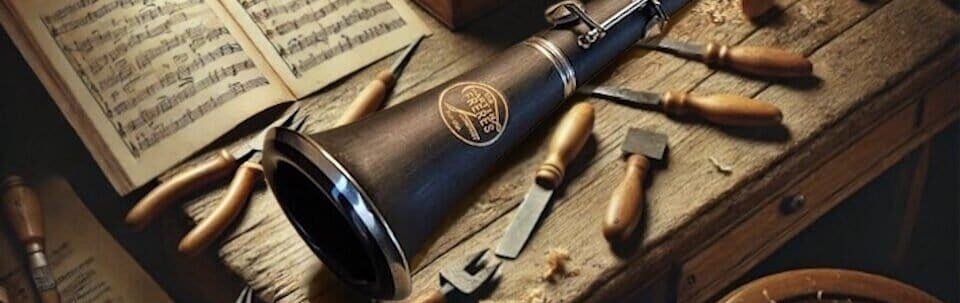
Clarinet music genres are the distinct styles in which the clarinet is used: classical, jazz, klezmer, folk, and contemporary or experimental. Each genre demands its own tone, articulation, ornamentation, and techniques, such as legato phrasing in classical, swing feel and improvisation in jazz, modal inflections in klezmer and folk, and extended techniques in contemporary music.
Overview: Why the Clarinet Excels Across Genres
The clarinet thrives in many music genres because of its wide range, flexible tone, and agile key system. From Mozart concertos to Benny Goodman solos and Giora Feidman klezmer lines, the instrument can sound vocal, percussive, or electronic depending on setup and technique. For intermediate and advanced players, this versatility turns one instrument into many stylistic voices.
Historically, the clarinet entered classical orchestras in the late 18th century, became a jazz lead voice in early 20th century New Orleans, and has long roots in Eastern European klezmer and folk bands. In the 20th and 21st centuries, composers like Pierre Boulez and Kaija Saariaho pushed it into experimental and electronic territory. Understanding these contexts helps you make stylistic choices that sound authentic.
Around 1740-1780, the clarinet spread from central Europe into major courts; by 1800, most large orchestras included at least 2 clarinetists in standard repertoire.
For players, each genre highlights different strengths. Classical music emphasizes control, intonation, and long-line phrasing. Jazz demands rhythmic feel, ear training, and improvisation. Klezmer and folk focus on ornamentation and modal color. Contemporary music tests your command of extended techniques and new sound worlds. A clear map of these genres lets you plan your practice and equipment choices with purpose.
Classical Clarinet: History, Key Works, and Techniques
Classical clarinet playing grew from the late Baroque chalumeau into the Classical and Romantic clarinet we know today. Composers like Wolfgang Amadeus Mozart, Carl Maria von Weber, Johannes Brahms, and later Claude Debussy and Igor Stravinsky wrote works that defined the instrument's orchestral and solo voice. Their scores still shape modern conservatory training and audition standards.
Mozart's Clarinet Concerto in A major, K. 622, written in 1791, is a cornerstone of the repertoire and one of the earliest major concertos for the instrument. Weber's Concertos No. 1 and 2 and the Concertino expanded virtuosic technique in the early 19th century. Brahms's late Sonatas Op. 120 and the Clarinet Quintet Op. 115 deepened the lyrical, autumnal side of the clarinet sound that many players still seek.
Classical tone typically aims for a centered, warm, and even sound across all registers. Players use a relatively firm embouchure, stable air support, and minimal vibrato, especially in German and central European traditions. French and some American schools allow a gentle vibrato in solo repertoire but still prioritize stability and purity of pitch in orchestral contexts.
Articulation in classical clarinet focuses on clear, consistent attacks and smooth legato. Tongue position stays high and forward for clarity, with syllables such as “tee” or “dee”. Orchestral excerpts from composers like Richard Strauss, Tchaikovsky, and Ravel demand rapid changes between staccato, legato, and accented strokes while maintaining even tone and intonation.
To develop classical phrasing, study recordings by players such as Sabine Meyer, Martin Fröst, and Harold Wright. Analyze their breath planning, dynamic shaping, and use of rubato. Practice long-tone crescendos and diminuendos over 8 to 16 counts, then apply that control to phrases in the Mozart concerto or Brahms sonatas, aiming for vocal-like line and clear harmonic direction.
A typical professional orchestral clarinet audition list includes 10-20 excerpts, with over 60 percent drawn from 19th century Romantic repertoire and early 20th century works.
For measurable outcomes, aim within 8 to 12 weeks to perform a classical solo movement, such as the first movement of Mozart K. 622 or Weber Concertino, with stylistically appropriate phrasing, reliable intonation, and controlled dynamics from piano to forte across the full range.
Jazz Clarinet: Swing, Improvisation, and Signature Sounds
Jazz clarinet emerged in early 20th century New Orleans with players like Johnny Dodds and Sidney Bechet, then reached mass popularity in the swing era through Benny Goodman and Artie Shaw. Later, musicians such as Buddy DeFranco, Eddie Daniels, and Anat Cohen carried the instrument into bebop, Latin jazz, and modern crossover styles.
Historic recordings, including Benny Goodman's 1938 Carnegie Hall concert and radio broadcasts preserved in archives like the Library of Congress and the Smithsonian, show how the clarinet shifted from a section instrument to a front-line solo voice. These documents remain important listening for understanding swing phrasing, vibrato, and articulation in context.
Jazz tone often favors more edge, projection, and flexibility than classical sound. Many jazz clarinetists use a more open mouthpiece facing and slightly softer reed, allowing easier bends, growls, and dynamic extremes. Vibrato is common, often wider and more pronounced than in classical, especially in early swing and traditional jazz styles.
Swing feel is central. Eighth notes are not played evenly; instead, they are inflected with a triplet-based or late-placement feel that varies by era and tempo. Tonguing is lighter and more varied than in classical playing, with a mix of legato, ghosted notes, and accented offbeats. Listening closely to Louis Armstrong, Benny Goodman, and later players helps internalize this rhythmic language.
Improvisation is the defining skill. Start by learning chord tones and guide tones for simple 12-bar blues and rhythm changes progressions. Transcribe short phrases from Benny Goodman or Artie Shaw solos, then practice sequencing and varying them. Use a metronome or backing track to play two-chorus solos, focusing first on clear rhythm and motivic development before adding chromaticism.
Over 4 to 10 weeks, a practical goal is to improvise a two-chorus solo on a medium-tempo blues in B flat with a clear swing feel, consistent time, and phrases that outline the harmony. Record yourself weekly to track progress in time feel, articulation variety, and dynamic contrast.
Klezmer and Folk Traditions: Ornamentation, Modes, and Regional Variants
Klezmer clarinet style grew from Jewish wedding and celebration music in Eastern Europe in the 19th century, then evolved in the United States through immigrant communities. Players like Naftule Brandwein and Dave Tarras, documented on 78 rpm discs and archival recordings, shaped the expressive, vocal-like clarinet sound that defines the genre today.
Beyond klezmer, the clarinet appears in Greek, Turkish, Balkan, and Romani folk traditions, each with its own scales, ornaments, and rhythmic patterns. Clarinetists in these styles often adapt regional vocal inflections and string ornaments, turning the instrument into a singing, crying, or laughing voice that interacts closely with dancers and singers.
Klezmer modes, such as Ahava Rabbah (similar to the Phrygian dominant scale) and Misheberakh, give the music its distinctive color. Practice these scales slowly, listening for the augmented seconds and micro-inflections that separate them from standard major and minor. Many players slightly bend notes into the characteristic intervals, especially on approach tones to important scale degrees.
Ornamentation is central. Common figures include krekhts (a sob-like grace note or fall), dreydlekh (turn-like figures), trills, slides, and fast mordents. To learn them, transcribe short phrases from recordings by Giora Feidman, David Krakauer, or earlier archival sources, then isolate each ornament and practice it on long notes before inserting it into full melodies.
Rhythmically, klezmer and related folk styles use characteristic dance forms such as freylekhs, horas, bulgars, and doinas. Each has its own tempo and groove. Practice playing simple tunes like “Der Heyser Bulgar” or “Odessa Bulgar” with a metronome, then with live or recorded accompaniment, focusing on lifting the beat to support dancers rather than pushing ahead.
Within 6 to 12 weeks, a realistic outcome is to perform three klezmer pieces from memory, each in a different dance form, using at least two authentic ornaments per phrase and maintaining stylistic modes and rhythmic feel throughout.
Contemporary & Experimental Clarinet: Extended Techniques and Electronics
Contemporary clarinet music expanded rapidly in the 20th century with composers such as Igor Stravinsky, Olivier Messiaen, Pierre Boulez, and Luciano Berio. Solo works like Messiaen's “Quatuor pour la fin du temps” clarinet movement and Berio's “Sequenza IXa” explore timbre, dynamics, and extreme registers in ways that differ from earlier classical repertoire.
Later 20th and 21st century composers, including Kaija Saariaho, Jörg Widmann, and Magnus Lindberg, often use extended techniques such as multiphonics, key clicks, slap tonguing, microtones, and breath sounds. Some works integrate live electronics, looping, or fixed media, turning the clarinet into part of an electroacoustic soundscape.
Extended techniques require precise control of embouchure, voicing, and finger pressure. For multiphonics, small changes in jaw position or air speed can determine whether chords speak clearly. Slap tonguing demands a flexible tongue and a reed and mouthpiece setup that responds quickly without excessive resistance.
Many contemporary scores use graphic notation or special symbols for effects. Always consult the composer's performance notes and, when possible, recordings by specialist clarinetists such as Michel Portal, Kari Kriikku, or Jörg Widmann. These references clarify intended sounds and help you choose fingerings for multiphonics or microtones that match the score.
Electronics introduce additional variables. When performing with amplification or live processing, test microphone placement, feedback risk, and balance between acoustic and electronic sound in rehearsal. Practice with the same headphones or monitors you will use in performance to adjust dynamics and articulation appropriately.
A survey of contemporary clarinet catalogs shows that over 40 percent of solo works written after 1970 include at least one extended technique such as multiphonics or slap tongue.
Over 8 to 16 weeks, aim to learn a short contemporary solo piece that uses at least two extended techniques, achieving reliable production of each effect at performance tempo and dynamic, with notated rhythms and transitions executed accurately.
Instrument Anatomy and How It Affects Genre Tone
The clarinet's anatomy strongly influences how it responds in different genres. Key components include the mouthpiece, reed, ligature, barrel, bore, and keywork. Small changes in facing, reed strength, and bore size can make the instrument feel like a different tool, better suited to classical, jazz, klezmer, or contemporary demands.
Mouthpieces with closer facings and longer lay lengths usually favor classical playing, providing stability and control for soft dynamics and smooth legato. More open facings often suit jazz and klezmer, allowing greater flexibility for bends, vibrato, and louder projection. Tip openings and facing curves interact with reed strength, so test combinations rather than changing one element in isolation.
Reeds around strength 3 to 3.5 are common for classical players seeking a dense, focused sound. Jazz and klezmer players often prefer slightly softer reeds, around 2.5 to 3, for easier articulation and inflection. Contemporary specialists may use different reeds for different projects, balancing response for extended techniques against stability for traditional passages.
Barrel length and bore shape affect tuning and color. Shorter barrels raise pitch and can brighten tone, useful in some jazz or folk contexts. Longer barrels lower pitch and can darken the sound, often preferred in classical orchestral work. Poly-cylindrical bores tend to produce even intonation and a refined sound, while larger, more open bores can feel freer and more powerful.
Keywork and ergonomics also matter. Fast klezmer ornaments and contemporary passages with complex fingerings benefit from precise regulation and light, even spring tension. Sticky keys or uneven resistance quickly undermine stylistic clarity, especially in rapid grace notes, trills, and multiphonic finger combinations.
As a starting point, consider a relatively closed classical mouthpiece with a 3 to 3.5 reed and standard barrel for classical work, a slightly more open mouthpiece with a 2.5 to 3 reed and possibly a shorter barrel for jazz and klezmer, and a responsive, medium-open setup for contemporary pieces that require extended techniques.
Field Note: In historical clarinets preserved in the Martin Freres archives, early 20th century instruments often show narrower bores and different mouthpiece designs than modern models. These design choices produced a lighter, more flexible tone that suited dance bands and early jazz, illustrating how instrument anatomy followed evolving genre needs.
Practice Routines and Exercises to Master Multiple Genres
To handle multiple clarinet music genres, build a weekly routine that separates core technique from style-specific work. Daily fundamentals keep your embouchure, air, and fingers stable, while targeted exercises develop swing feel, klezmer ornaments, and extended techniques. Planning in 4 to 12 week blocks helps you track measurable progress.
Begin each session with 10 to 15 minutes of long tones and slow scales in classical style. Focus on even tone, straight pitch, and smooth legato. Use a tuner and drone to refine intonation. Then add articulation patterns such as slurred-tongued combinations and staccato exercises drawn from standard method books like Baermann or Klosé.
For jazz, spend 10 to 20 minutes on swing eighths and blues vocabulary. Practice major and dominant scales in all keys with a metronome on beats 2 and 4, lightly accenting offbeats. Improvise over a 12-bar blues using only chord tones at first, then add passing tones and simple enclosures as your ear strengthens.
To develop klezmer and folk style, allocate 10 to 15 minutes to modal scales and ornaments. Choose one mode, such as Ahava Rabbah, and practice it slowly with slides into key notes. Add krekhts and mordents on long tones, then apply them to short melodic phrases. Record yourself to check that ornaments enhance, rather than obscure, the tune.
For contemporary techniques, dedicate 10 minutes to one or two effects per day. For example, practice a specific multiphonic fingering, starting with soft dynamics and gradually increasing volume. Alternate with slap tongue or key click exercises, always stopping if tension builds. Keep a notebook of successful fingerings and embouchure notes for future reference.
Across a 6 to 12 week cycle, set genre-specific milestones: a classical etude at performance tempo with controlled dynamics, a two-chorus jazz solo on a standard, a klezmer tune with authentic ornaments, and a contemporary étude using at least one extended technique. Rotate focus weeks to deepen one genre while maintaining the others.
Maintenance and Care for Consistent Tone Across Styles
Consistent tone across clarinet music genres depends on disciplined maintenance. Daily care keeps the instrument responsive for subtle classical phrasing, aggressive jazz articulation, rapid klezmer ornaments, and delicate contemporary effects. A predictable routine reduces surprises in rehearsal and performance.
After every playing session, swab the bore thoroughly from bell to barrel to remove moisture that can swell pads and affect response. Wipe the outside of the instrument and keys with a soft cloth. Remove and dry the mouthpiece, then gently clean the facing and window with a mouthpiece brush or soft cloth to prevent reed warping and residue buildup.
Weekly, apply cork grease sparingly to tenon corks to ensure smooth assembly without excessive pressure that can crack sockets. Inspect pads for discoloration or fraying, especially under frequently used keys in fast genres like klezmer. Check that springs feel even and that keys return quickly without sticking or sluggishness.
Monthly, test all notes with chromatic scales and arpeggios at soft and loud dynamics. Listen for dead or resistant notes that might indicate leaks or misaligned keys. For players using extended techniques, inspect the instrument for loose screws or key noise, which can become audible in key clicks and amplified performances.
Seasonally, or at least once or twice per year, visit a qualified repair technician. Ask for a full play test, pad seal check, and regulation of spring tension. If you play a lot of jazz or klezmer with heavy articulation, mention this so the technician can optimize spring strength and key height for fast response.
Keep separate reed rotations for different genres if possible. Label reed cases for classical, jazz, klezmer, and contemporary use. This helps you maintain a consistent feel and tone in each style and reduces the risk of overusing a single reed until it becomes unstable or unreliable.
Troubleshooting Common Problems by Genre
Each clarinet music genre presents typical problems that you can diagnose and address systematically. Using a simple flow from symptom to likely cause, quick adjustment, and long-term fix helps you respond efficiently in practice and performance. Keep a notebook of recurring issues and solutions for reference.
For classical playing, a common issue is thin or unstable tone in soft passages. Symptom: notes break or sound airy at pianissimo. Likely causes include insufficient air support, too hard a reed, or an overly open embouchure. Quick adjustment: increase air speed while keeping embouchure firm and experiment with a slightly softer reed. Long-term fix: daily long-tone practice at soft dynamics with a tuner.
In jazz, poor swing articulation often appears as stiff, even eighth notes. Symptom: solos sound mechanical despite correct notes. Likely causes include over-tonguing, lack of internalized swing feel, or practicing only with straight metronome clicks. Quick adjustment: sing or clap swing rhythms before playing and tongue lightly on offbeats. Long-term fix: daily transcription and imitation of short phrases from classic recordings.
Klezmer players often struggle with squeaks during fast ornaments. Symptom: grace notes or krekhts produce unintended high notes. Likely causes include unstable embouchure, fingers lifting too far, or reeds that are too soft and unstable. Quick adjustment: slow the ornament, keep fingers closer to the keys, and firm the embouchure slightly. Long-term fix: isolate ornaments as technical exercises at gradually increasing tempos.
In contemporary music, unstable altissimo or unreliable multiphonics are frequent concerns. Symptom: high notes crack or multiphonics do not speak consistently. Likely causes include inconsistent voicing, unsuitable fingerings, or reeds that are too hard or too soft. Quick adjustment: experiment with tongue position (higher for altissimo) and test alternative published fingerings. Long-term fix: daily voicing exercises such as register slurs and overtone practice.
Across genres, intonation in folk modes or unusual scales can be tricky. Symptom: certain scale degrees sound out of tune even when the tuner reads correctly. Likely causes include equal-tempered habits conflicting with stylistic tuning, or overreliance on visual tuners. Quick adjustment: tune by ear to drones or recordings in the target style. Long-term fix: regular practice with drones and careful listening to authentic recordings.
Think of troubleshooting as a loop: identify the symptom, test one variable at a time (air, embouchure, finger motion, reed, or instrument setup), apply a quick adjustment, then design a focused exercise to address the root cause over several weeks.
Curated Repertoire, Recordings, and Archive References
Building a listening and repertoire library across clarinet music genres accelerates stylistic growth. Choose pieces and recordings that clearly represent each style and period. Use them as models for tone, phrasing, and articulation, and as sources for transcription and analysis in your practice routine.
For classical, core solo works include Mozart's Clarinet Concerto K. 622, Weber's Concertino and Concertos, Brahms's Clarinet Sonatas Op. 120 and Quintet Op. 115, Debussy's Rhapsody, and Stravinsky's “Three Pieces” for solo clarinet. Recordings by artists such as Sabine Meyer, Martin Fröst, and Karl Leister offer contrasting national styles and interpretive choices.
In jazz, start with Benny Goodman's 1938 Carnegie Hall concert, Artie Shaw's big band recordings, and small group sessions by Buddy DeFranco. Later, explore Eddie Daniels, Paquito D'Rivera, and Anat Cohen for modern approaches that blend straight-ahead jazz with Latin, Brazilian, and world influences. Transcribe short solos to internalize vocabulary and phrasing.
For klezmer, listen to historical recordings of Naftule Brandwein and Dave Tarras, many of which are preserved in national sound archives and private collections. Modern interpreters like Giora Feidman, David Krakauer, and the Klezmatics bring contemporary energy and fusion influences while retaining core stylistic elements. Learn standard tunes such as “Der Heyser Bulgar” and “Freylekhs fun der Khupe” from both sheet music and recordings.
Contemporary and experimental clarinet repertoire includes Messiaen's “Quatuor pour la fin du temps” (third movement), Berio's “Sequenza IXa”, Boulez's “Domaines”, and works by Saariaho, Widmann, and Lindberg. Seek out recordings by specialists like Michel Portal, Kari Kriikku, and Jörg Widmann, often documented in label catalogs and institutional archives such as the Library of Congress and European radio collections.
Some historical clarinets and scores in private and museum collections, including those associated with Martin Freres instruments, provide insight into how earlier players approached genre-specific tone and technique. Comparing period recordings and modern performances can help you decide which stylistic elements to adopt or adapt in your own playing.
Key Takeaways
The clarinet adapts naturally to classical, jazz, klezmer, folk, and contemporary genres, but each style demands specific tone, articulation, and phrasing choices.
Equipment setup, especially mouthpiece, reed, and barrel, should match your primary genre goals while remaining flexible enough for cross-genre work.
Structured practice with genre-focused exercises, careful maintenance, and targeted listening to authoritative recordings leads to measurable progress within 4 to 12 weeks.
FAQ
What is clarinet music genres?
Clarinet music genres are the different styles of music where the clarinet plays a central role, such as classical, jazz, klezmer, folk, and contemporary or experimental music. Each genre uses distinct tone colors, articulations, ornaments, and techniques that shape how the clarinet sounds and functions in ensembles and solo settings.
How does clarinet technique differ between classical and jazz?
Classical clarinet technique emphasizes a centered, pure tone, minimal vibrato, precise articulation, and strict adherence to the written score. Jazz clarinet technique favors a more flexible, projecting sound, frequent vibrato, varied articulations, and improvisation over chord changes, with a strong focus on swing feel and rhythmic nuance.
Which mouthpiece and reed setups work best for klezmer versus contemporary music?
For klezmer, many players choose a slightly more open mouthpiece with a medium-soft reed, around strength 2.5 to 3, to allow bends, slides, and expressive ornaments. For contemporary music, a responsive medium-open mouthpiece with a stable reed, often around strength 3, helps balance traditional passages with extended techniques like multiphonics and slap tongue.
What are simple exercises to develop swing feel and improvisation on clarinet?
To develop swing feel, practice major and dominant scales with a metronome on beats 2 and 4, lightly accenting offbeats and aiming for a triplet-based eighth note feel. For improvisation, start with 12-bar blues, playing only chord tones in time, then add passing tones and short transcribed phrases from classic jazz clarinet solos.
How should I maintain my clarinet to play reliably in different genres?
Swab the bore and clean the mouthpiece after every session, apply cork grease weekly, and inspect pads and springs monthly for leaks or sluggish keys. Schedule a professional checkup at least once or twice a year, mentioning if you play fast ornaments, heavy articulation, or extended techniques so the technician can optimize regulation and key response.
Where can I find authoritative scores and historic recordings for clarinet repertoire?
Authoritative scores are available from major music publishers and critical editions for composers like Mozart, Brahms, and Weber. Historic recordings of classical, jazz, and klezmer clarinetists can be found in archives such as the Library of Congress and the Smithsonian, as well as in reissue collections from record labels and specialized online archives.