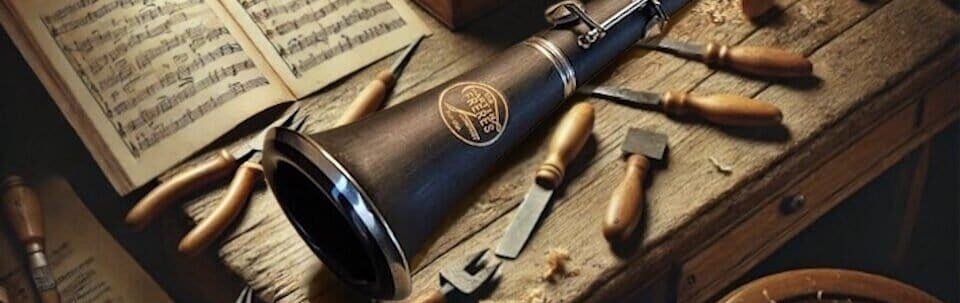
What is the clarinet in nu jazz? The clarinet in nu jazz is a modern approach that blends classic jazz phrasing with electronic textures, hip-hop and broken-beat grooves, and sound-design style effects. Players rely on extended techniques like note bending, flutter-tonguing, multiphonics, circular breathing, and slap tongue, supported by careful setup, amplification, and groove-focused practice.
What is the clarinet in nu jazz? A concise definition and timeline
Clarinet in nu jazz describes a style where traditional jazz clarinet language meets electronic production, loop-based grooves, and nu-swing rhythms. The instrument keeps its lyrical, vocal quality while adopting textures more often heard from synthesizers, samplers, and electric guitars. Extended techniques and creative mic use help the clarinet cut through dense, beat-driven arrangements.
Nu jazz and nu swing emerged in the late 1990s as producers and bands like St Germain and Parov Stelar fused swing-era harmony with house, drum-and-bass, and hip-hop beats. Clarinetists began reimagining swing-era roles, using classic riffs and blues inflection over modern rhythm sections, side-chaining, and sampled big-band loops. The result is a hybrid idiom rooted in Benny Goodman but voiced for club stages.
Today, clarinet in nu jazz appears in live bands, DJ-plus-horn projects, and studio sessions where players record dry tracks for producers to slice and process. The same player might perform acoustic ballads in one set and then use distortion, filters, and delay in the next, all while keeping a clear, centered core sound.
History & context: from 1930s swing to late-1990s nu-swing and early-2000s growth
In the 1930s, clarinet was a lead voice of swing. Benny Goodman, Artie Shaw, and Woody Herman defined the instrument for mass audiences, with strong melodies riding on four-on-the-floor rhythm sections. Recordings archived by the Smithsonian and the Benny Goodman Collection show how clarinet lines floated above brass and sax sections with clear articulation and blues phrasing.
By the 1950s and 1960s, the saxophone overshadowed clarinet in modern jazz, though players like Jimmy Giuffre and Eric Dolphy kept pushing the instrument. Their experiments with timbre, counterpoint, and chamber-like textures foreshadowed nu-jazz interests in sound design and hybrid ensembles. AllMusic and Grove Music Online entries on these artists highlight their role in expanding clarinet color beyond big-band lead work.
In the late 1990s, nu-swing and nu-jazz rose alongside electronic dance music. Acts like Mr. Scruff, St Germain, and Koop sampled vintage jazz records and hired horn players to overdub new lines. Clarinet often appeared as a coloristic voice: short riffs, filtered hooks, and solo spots over programmed drums and electric bass. Producers valued its vocal-like pitch bends and woody tone.
By the early 2000s, nu-jazz festivals in Europe and Japan showcased clarinetists alongside DJs and laptop artists. Players adapted swing vocabulary to broken-beat grooves, odd meters, and layered percussion. Today, clarinetists in cities like Berlin, London, and New York collaborate with beatmakers, using live looping and effects to build textures that reference both Goodman and glitch.
Historical big-band roles still guide modern arranging. Clarinet often doubles melodies with trumpet or voice, provides countermelodies behind DJs, or takes spotlight solos that quote swing-era licks before morphing into electronically processed textures. Understanding this lineage helps players honor tradition while sounding current.
Signature extended techniques used in nu-jazz (note bending, flutter-tonguing, multiphonics, circular breathing, slap tongue)
Extended techniques give clarinetists in nu jazz a palette that can compete with synthesizers and guitar pedals. Five core tools dominate: note bending, flutter-tonguing, multiphonics, circular breathing, and slap tongue. Each technique changes the envelope, color, or rhythmic attack of the note, which is important when playing over loops and heavy backbeats.
Note bending mimics turntable pitch drags and vocal slides. Players adjust embouchure, voicing, and finger shading to pull notes down by a quarter-tone or more, especially in the chalumeau and throat-tone registers. In nu-swing, subtle bends on offbeats can make classic riffs feel more like sampled horn stabs from a vintage record.
Flutter-tonguing creates a grainy, tremolo-like texture that sits well with filtered drums or side-chained pads. Clarinetists roll the tongue (Spanish “r”) or use uvular flutter while sustaining a note. Producers often combine flutter-tongue tracks with reverb and delay to create shimmering pads that contrast with clean melodic lines.
Multiphonics provide dense, chord-like sounds from a single clarinet. By using special fingerings and precise voicing, players can sound two or more pitches at once. In nu jazz, multiphonics often function as sound effects, risers, or drones under grooves, especially when run through reverb, distortion, or granular processing.
Circular breathing lets clarinetists sustain notes or patterns far beyond normal lung capacity. Air is stored in the cheeks and pushed out while the player inhales quickly through the nose. In nu-jazz contexts, circular breathing supports long drones, ostinatos, and evolving textures that align with ambient and minimal electronic influences.
Slap tongue gives a percussive attack that can lock with kick and snare patterns. By creating suction between tongue and reed, then releasing it sharply, the player produces a pop or smack at the start of the note. In nu-swing, slap-tongued riffs can act like hi-hat or snare embellishments inside the groove.
Instrument anatomy & setup for modern textures (reeds, mouthpieces, barrels, mic'ing and effects)
Clarinet setup strongly shapes how extended techniques respond in nu jazz. Mouthpiece facing, reed strength, barrel length, bore design, and ligature all affect attack, resistance, and color. Small adjustments can significantly change a note's character, especially when microphones and effects magnify subtle differences.
The mouthpiece is the main tone shaper. A medium-open facing with a balanced, medium-strength reed (around 3 for most brands) offers enough resistance for multiphonics and note bending while keeping articulation clean for fast nu-swing lines. Softer reeds can help slap tongue and bends but may sound unstable with effects or loud monitoring.
The ligature influences response and articulation clarity. Metal ligatures often give a brighter, more immediate attack that cuts through electronic mixes, while fabric or leather ligatures can soften the sound for ambient nu-jazz textures. Many players keep two ligatures in the case and switch depending on the set list and venue acoustics.
Barrel length and bore design adjust pitch center and resistance. A slightly shorter barrel can raise pitch and add brilliance, useful when playing with electronic tracks tuned slightly sharp. Some modern barrels are designed for focused projection, which helps the clarinet stay present when competing with amplified drums and synth bass.
Keywork and venting matter for multiphonics and fast nu-swing passages. Well-regulated keys reduce mechanical noise that microphones will capture. Players who rely on altissimo riffs and special fingerings should have a technician check pad height and spring tension regularly so response stays even across registers.
Mic choices shape how the clarinet sits in the mix. Small-diaphragm condensers capture detail and air, ideal for studio nu-jazz sessions. Clip-on condensers give consistent distance and freedom of movement on stage. Dynamic mics can tame brightness and reduce feedback in loud clubs. Effects like delay, reverb, and filters usually sit after a preamp or interface, with careful gain staging to preserve nuance.
Field note: Martin Freres archive insight
Historical Martin Freres clarinets from the swing era often feature narrower bores and slightly different keywork ergonomics than many modern models. Players exploring nu-swing sometimes favor these instruments for their focused, reedy core tone, then rely on mouthpiece, reed, and mic choices to adapt the sound to contemporary electronic contexts.
Practice routines and workshop exercises (step-by-step drills for each technique)
Structured practice helps intermediate clarinetists turn extended techniques into reliable musical tools. Aim for 30 to 45 minutes a day focused on nu-jazz skills, in addition to general tone and scale work. Break sessions into short blocks: note bending, flutter-tonguing, multiphonics, circular breathing, slap tongue, and groove integration with a metronome or loop.
Note bending drills
Start on written G in the chalumeau register. Play a long tone, then gradually relax the embouchure and lower the tongue to bend the pitch down a quarter-tone, then a semitone. Use a tuner to monitor control. Repeat on F, A, and throat tones. Add rhythmic bends on offbeats over a simple swing backing track.
Flutter-tonguing drills
Begin without the clarinet, practicing rolled “r” or uvular flutter for 10 to 20 seconds at a time. Then play sustained notes on middle register E, F, and G while fluttering. Alternate 2 beats of normal tone and 2 beats of flutter to keep embouchure stable. Later, apply flutter to crescendos and decrescendos over a static drone.
Multiphonics drills
Choose 2 or 3 reliable multiphonic fingerings from a trusted fingering chart or teacher. Practice soft attacks, holding each sound for 5 to 8 seconds while adjusting voicing to stabilize both pitches. Alternate between normal fingerings and multiphonics on the same written note to feel the voicing shift. Record yourself to check consistency.
Circular breathing drills
Practice cheek inflation and air puffing through a straw in water to coordinate cheek pressure and nasal inhalation. Then sustain a low G on clarinet, briefly switching to cheek air while inhaling through the nose. Start with tiny overlaps, even if the tone wobbles. Gradually lengthen sustained phrases until you can hold a note for 20 to 30 seconds without a break.
Slap tongue drills
Without blowing, place the tongue on the reed, create gentle suction, then pull it off to make a percussive pop. Once consistent, add air so the pop starts a short note. Practice quarter notes at 60 bpm, then eighth notes, aiming for even volume. Apply slap tongue to simple riffs, locking with a metronome accenting beats 2 and 4.
Groove and phrase integration
Use a nu-swing or hip-hop loop at 80 to 110 bpm. Improvise 2-bar phrases where each bar highlights one technique: bar 1 with bends, bar 2 with slap tongue, then repeat with flutter or multiphonics. Record 10 to 30 second clips. The goal is to perform 2 or 3 extended-technique phrases seamlessly within a groove, not as isolated effects.
Maintenance and care tips for gigging in electronic/nu contexts
Frequent nu-jazz gigs with electronics expose the clarinet to heat, sweat, vibration, and sometimes smoke or haze. Consistent maintenance keeps response reliable when microphones and effects magnify every squeak or pad noise. Think in terms of daily care, pre-gig checks, and scheduled professional service.
Daily, swab the bore thoroughly after each set to remove moisture that can swell pads and affect intonation. Apply cork grease sparingly to tenon corks so assembly stays smooth even in cold or hot venues. Wipe keys and body with a soft cloth to remove fingerprints and residue that can attract grime.
Before each gig, inspect pads around the register key, throat tones, and low F/C for leaks or sticking. Gently press each key while blowing air to feel for resistance changes. Check screws and rods for looseness that might cause noisy keys when amplified. Confirm that your ligature screws are secure but not overtightened.
After the gig, especially in humid clubs, open the case for a few minutes in a dry space to let moisture escape. Rotate reeds, keeping at least 4 to 6 in active use, and store them in a ventilated reed case. This rotation reduces warping and ensures you always have a backup that plays well with your chosen mouthpiece and effects chain.
Schedule keywork lubrication, especially around the octave and register mechanisms, every 6 to 12 months depending on playing volume. A technician can apply the correct oils and check spring tension. Avoid DIY oiling unless you are trained, as excess oil can migrate to pads and cause sticking.
When using effects and amplification, protect the instrument from cable snags and stands. Route cables away from your stand, and avoid resting the clarinet on surfaces that vibrate with sub-bass. A padded, well-fitted case is important for transport between rehearsals, clubs, and studios.
Pre-gig and post-gig checklist
Pre-gig: swab, check reeds, inspect pads and screws, test all registers, confirm mic clip and cable security, verify tuner alignment with backing tracks.
Post-gig: swab thoroughly, dry mouthpiece and reed, wipe keys, open case briefly to air out, store reeds properly, and note any mechanical issues for a technician.
Troubleshooting common performance issues (intonation, response, noisy keys, effect-chain problems)
Nu-jazz and nu-swing settings expose clarinet issues that might be hidden in acoustic ensembles. Close mics and loud monitors make intonation, response, and mechanical noise highly noticeable. A systematic troubleshooting approach saves time on stage and in rehearsal.
Unstable multiphonics often stem from inconsistent voicing or reed-mouthpiece mismatch. Try softer reeds or a slightly more open mouthpiece to ease response. Experiment with small embouchure and tongue-position changes while holding the fingering. If one fingering remains unreliable, consult alternate charts; some combinations simply suit certain instruments better.
Note bending conflicts between breath pressure and pitch are common. If bends jump or crack, reduce air pressure slightly and focus on gradual embouchure relaxation rather than sudden drops. Use a tuner to map how far you can bend specific notes without losing core tone, then stay within that range during performance.
Crackly keys in humid clubs usually mean moisture or dirt around pads and tone holes. Gently clean tone-hole rims with a soft, dry cloth and use pad cleaning paper to remove residue. Avoid powders that can build up and cause long-term problems. If noise persists, a technician may need to adjust pad height or replace worn pads.
Feedback when amplified often comes from mic placement, monitor angle, or gain staging. Start by lowering overall gain, then reposition the monitor so it does not point directly at the mic. Aim clip-on mics slightly off-axis from the bell to reduce low-frequency buildup. Use high-pass filters to cut rumble that feeds back easily.
Effect-chain noise can come from multiple sources. In a live situation, isolate components step by step: mute all effects, then bring them in one at a time. Check cables, power supplies, and ground loops. Test the clarinet and mic into a clean preamp first to confirm the acoustic signal is quiet before adding pedals or plugins.
Quick live fixes
For sudden intonation issues, switch to a backup reed and check barrel position against a tuner. For sticky keys, use clean pad paper between tunes. For feedback, cut reverb and delay first, lower high frequencies on the mixer, and slightly change your onstage position relative to speakers.
Integrating the clarinet into nu-swing and nu-jazz ensembles (arranging, groove, and interaction with electronics)
Clarinet integration in nu jazz depends on clear roles within the ensemble. In a DJ-plus-horn setup, you might alternate between lead melodies, background textures, and improvised fills. In a full band with keys, guitar, and horns, clarinet often acts as a flexible color, weaving between rhythm section and front-line duties.
Arranging for nu-swing often starts with classic swing riffs adapted to modern drum patterns. Clarinet can double trumpet or voice an octave above sax to add sparkle. Short, repeatable motifs work well over loops, while longer, evolving lines suit breakdowns and intros. Use space intentionally so your sound does not clash with vocal or synth hooks.
Groove awareness is critical. Practice with drum loops that emphasize backbeat and syncopation, such as broken-beat or neo-soul patterns. Focus on placing phrases slightly behind or ahead of the beat to create tension. Clarinetists should listen closely to kick and snare relationships, aligning accents with drum hits for maximum impact.
Interaction with electronics can be conversational. Respond to filter sweeps with pitch bends or multiphonics, or echo a sampled horn line with live variation. In rehearsals, work with the producer or DJ to map sections where clarinet leads, supports, or drops out entirely, avoiding constant playing that tires the ear.
For nu-jazz ballads and atmospheric tracks, clarinet can blend with pads and Rhodes piano. Long tones, subtle vibrato, and gentle flutter-tongue create textures that complement reverb-heavy mixes. In more dance-oriented nu-swing tunes, slap tongue and tight articulation help clarinet function almost like a rhythm instrument.
Communication on stage matters. Use hand signals or short cues to coordinate loops, drops, and solos. Clarinetists should know the form and key centers well enough to adapt if the DJ extends a section or triggers a new sample unexpectedly.
Recording and amplification best practices (mic choice, DI vs mic, effect chains for live and studio)
Recording clarinet for nu jazz requires balancing natural tone with mix-ready clarity. In the studio, a small-diaphragm condenser placed 12 to 18 inches from the instrument, aimed between the barrel and left-hand keys, captures detail without excessive key noise. A second room mic can add ambience for more spacious tracks.
Live, clip-on condensers offer consistent distance and mobility, which is useful when moving around stage or interacting with the audience. Dynamic mics on stands can work well in loud clubs, especially when placed slightly off-axis to reduce harshness. Clarinet does not use DI directly, but your mic or wireless receiver will feed a preamp or mixer channel.
Effect chains typically start with a clean preamp, then go into EQ and compression before time-based effects. In live settings, a simple chain of light compression, high-pass filtering, and a short delay or plate reverb often sits best in the mix. In the studio, producers may add modulation, granular effects, or side-chained reverb for creative textures.
Gain staging is important. Set mic input so peaks sit well below clipping, then adjust effects and output levels to maintain headroom. Too much compression can exaggerate key noise and breath sounds, which may be undesirable in faster nu-swing passages but interesting in experimental nu-jazz textures.
Monitor mixes should let you hear both your acoustic sound and processed signal. Some players prefer in-ear monitors to avoid feedback and to hear subtle effects clearly. Work with the engineer to ensure latency is low enough that delays or plugins do not disrupt your timing.
For remote recording sessions, capture a dry track with minimal processing. Producers can re-amp or process later. If you use pedals, record both a fully processed track and a parallel dry track so the mixer can blend or correct as needed.
Recommended repertoire, listening list and next steps for players
Building a listening and repertoire base helps clarinetists connect swing tradition with nu-jazz innovation. Start with swing-era recordings by Benny Goodman and Artie Shaw to internalize phrasing and articulation. Then move to modern projects where clarinet or related reeds interact with electronics, beats, and studio production.
Explore nu-jazz and nu-swing artists who feature horns, such as St Germain, Parov Stelar, and Caravan Palace, paying attention to how clarinet or sax lines sit in the mix. Listen to contemporary clarinetists in crossover projects, as well as experimental players who use multiphonics and electronics in improvised settings.
For practice repertoire, adapt classic swing standards into nu-swing contexts. Take a tune like “Sing, Sing, Sing” or “Stompin' at the Savoy” and play along with modern drum loops or lo-fi hip-hop beats. Experiment with inserting note bends, slap tongue, and flutter-tongue into familiar melodies.
Set concrete goals: within 4 to 6 weeks, aim to produce stable note bends and flutter-tongue in all registers, plus at least one reliable multiphonic. Within 8 to 12 weeks, work toward a 3 to 5 minute set that combines traditional swing phrasing with modern textures, including at least one circular-breathing drone or ostinato.
Collaborate with producers, DJs, and rhythm-section players. Bring short motifs and riffs to rehearsals, and be open to having your sound sampled, looped, or heavily processed. The most compelling nu-jazz clarinet work often comes from partnerships where acoustic and electronic musicians shape the music together.
Document your progress with recordings and live videos. Reviewing your sound in context helps refine tone, timing, and effect choices. Over time, you will develop a personal approach to clarinet in nu jazz that honors swing roots while speaking in a distinctly modern voice.
Key takeaways
- Clarinet in nu jazz blends swing-era phrasing with electronic production, groove-based rhythms, and extended techniques like bends, flutter-tongue, multiphonics, circular breathing, and slap tongue.
- Setup choices for mouthpiece, reed, barrel, and microphones strongly affect how the instrument responds to effects and how clearly it sits in dense mixes.
- Consistent practice, targeted maintenance, and collaborative work with producers and rhythm sections help clarinetists build reliable, expressive roles in nu-jazz and nu-swing ensembles.
FAQ
What is clarinet in nu jazz?
Clarinet in nu jazz is a modern style where classic jazz clarinet language meets electronic beats, samples, and studio effects. The instrument keeps its lyrical swing identity while using extended techniques and amplification to create textures that fit alongside synthesizers, drum machines, and DJ sets.
What extended techniques are common for clarinetists in nu-jazz and how do I start practicing them?
Common techniques include note bending, flutter-tonguing, multiphonics, circular breathing, and slap tongue. Start with short daily drills: long-tone bends with a tuner, alternating normal and fluttered notes, practicing 2 or 3 reliable multiphonics, circular-breathing exercises on low notes, and slow slap-tongue patterns with a metronome.
How does the clarinet's setup (reed/mouthpiece/barrel) change for multiphonics and electronic contexts?
For multiphonics and effects-heavy playing, many clarinetists choose a medium-open mouthpiece and medium-strength reed for stability and flexibility. Slightly shorter or focused barrels can help projection and tuning with electronic tracks. Small adjustments can significantly change a note's character, so test combinations to find a setup that responds well under microphones and processing.
How do I prevent feedback and noise when amplifying my clarinet in nu-swing gigs?
Use appropriate mic placement, avoid pointing monitors directly at the mic, and apply high-pass filtering to reduce low-frequency buildup. Keep gain staging conservative, and add effects like reverb and delay sparingly. If feedback occurs, lower reverb and high frequencies first, then adjust your position relative to speakers and stage monitors.
Which recordings or artists should I listen to for nu-jazz and nu-swing clarinet inspiration?
Study swing-era clarinetists like Benny Goodman and Artie Shaw, then explore nu-jazz and nu-swing artists such as St Germain, Parov Stelar, and Caravan Palace for modern groove and production ideas. Also listen to contemporary clarinetists in crossover and electronic projects to hear how they use multiphonics, effects, and extended techniques.
How do I maintain my clarinet when gigging frequently with electronics?
Swab the instrument after each set, apply cork grease as needed, and wipe keys to remove moisture and residue. Rotate 4 to 6 reeds, inspect pads and screws before gigs, and schedule regular keywork lubrication and checks every 6 to 12 months. Protect the clarinet from cable snags and vibration, and let the case air out briefly after humid shows.
Related Posts: